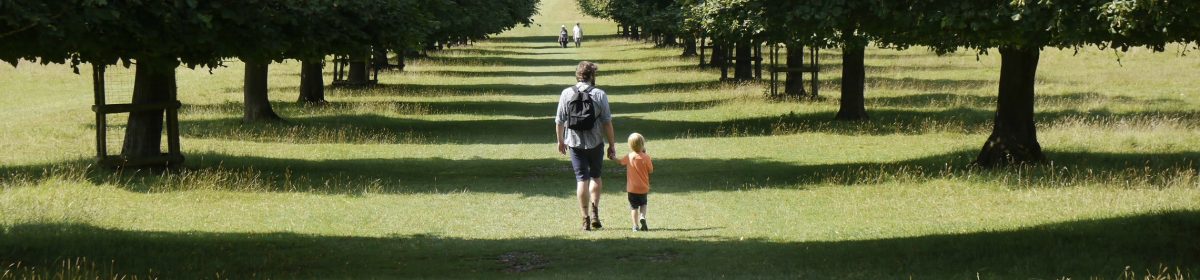
Two firsts – but which is the more exciting?

But in answer to a question I was asked during the week– “What was the actual millionth word?” – well you may think it was a bit of a disappointment because it was “much”. Feel free to develop any metaphorical significance you like; it’s Freedom Hall here at the Potwell Inn. The oldest existing version of St Mark’s gospel ends mysteriously with the Greek word “gar” – ‘because‘ and scholars have had a field day inventing possible reasons and even helpfully completing the book to their own tastes. In the case of the Potwell Inn, I like the word ‘much’ as much as any other but I finished the sentence in any case and after a short rest, here we are again.

Last Monday was alleged to be some novelty, named (by the media) “Blue Monday. We were all supposed to be fed-up by the endlessness of winter, the short hours of daylight and our January bank statements. I’m sorry to buck the trend but I had a lovely day which included feeling very pleased with myself for completing last year’s resolutions but also submitting 420 completed botanical records to the Vice County Recorder which, thinking about it, probably spoiled her day. But maybe the crowning moment was finding a Lesser Celandine in flower on one of the two main roads into Bath. Notwithstanding the pouring rain and wind it brought a touch of spring into our hearts. It was in a half-starved looking garden just opposite the derelict hotel where the police were busy removing 700 cannabis plants from an illegal factory. You see, in Bath there’s no need for a writer to make stuff up – it just comes along, barely 50m from where we live. The smell of cannabis was so strong nearby that we called the spot “Skunk Corner” and wondered how the residents managed to survive their habits. It may well turn out that they lived blameless lives, living next door to the extractor fans, which would be a great example of blaming the victim.

The Celandine wasn’t the first exciting plant of the year. That was the Greater Dodder that was found climbing up a riverside nettle on the New Year plant hunt by the same Vice County Recorder whose Monday I may have turned blue. Sorry about that. The Dodder was – if not rare, certainly very unusual which bears out my belief that the place to look for rarities begins as you step out of the door. The VCR, Helena, was kind enough to email back and say that some of my records were interesting. Chatting to our friend Charlie yesterday – he’s South African – he said that was a classic example of British understatement. On the other hand, they might be 90% wrong which is why we all have to hand in our homework for review. We don’t overdo praise here in the UK.

But if you were to ask me to say which find was the most important, then I’d say the Celandine was most important and exciting to me and the Greater Dodder was more important to science, with the rider that whilst Celandines may be ubiquitous, like House Sparrows, Starlings and Turtle Doves once were – if we don’t record them they might begin to disappear too. But the most important reason for my ranking the Celandine highest is that it’s one of the most noticeable markers for Spring. Ever reliable, easy to find and bright in colour so they show themselves in hedgerows, they always gladden the heart. However grey, cold and wet the weather the Celandines will announce the turbo-charged arrival of the new plant hunting season.

We’re off to the Lizard peninsula in Cornwall for a break but the weather outlook is pretty awful. Nonetheless we’ve been checking our plant hunting equipment – hand lenses, GPS unit, charging batteries, testing cameras and SD cards, packing bags and running tests on the new moth trap, choosing books and waterproofs. So we don’t expect too much from the weather and probably the moths will be hard to find but whatever happens we’ll have fun and if the worst comes to the worst I’ll finish reading three big books, two on fungi and a new one on hedgerows. The allotment is tucked up for the winter and the trail cam is busy with visits from fox, badger, squirrel, domestic cat and – of course – rats. We’ve filmed the fox predating rats which was a heartening sight and the soil is taking a well-earned rest, although from reading my fungus books I’m discovering just how busy it is just below the surface.

I’ve also been testing Googl Gemini AI to see if it can help with my work – mostly playing with it and asking difficult questions to see what happens. It’s immensely powerful – it digested ten years of my writing in a minute and came up with a summary that was more right than wrong but still needs a pile of editing. There seems to be an algorithm that favours the more recent over the older stuff and there are one or two WTF? moments including a word I’ve never used and had to look up. I’d like to teach it to do routine and boring jobs on the spreadsheets so that I can get on with the more interesting bits.

We seem to be living in what the Chinese call “interesting times” – with what used to be regarded as responsible politicians behaving like hooligans outside the pub on a summer Friday night. Madame has suggested that we don’t watch TV or read newspapers while we’re away. It’s an attractive proposition. When I was very young my friend Eddy and I used to go occasionally to a night club in Yate. We were almost always refused admission because we were deemed too scruffy. Every Friday the bouncers would clear the club at closing time as soon as the inevitable fight broke out, and if it didn’t they would start it anyway. I tried once to point out to the bouncers that the fights were always started by young men wearing suits and not looking scruffy. Like so many occasions in my life I got into trouble for pointing out the evidence. I was thinking about this last night and I realized that this is a pattern that’s been repeated since I was about twelve. Among my many talents is a capacity to enrage people who dislike being challenged. Ah well, I’m not apologising!

Books mentioned – I recommend them all:

  • Fungi – Collins New Naturalist series: Brian Spooner and Peter Roberts
  • The Fifth Kingdom -An introduction to Mycology Brice Kendrick
  • Hedges – Robert Wolton, Bloomsbury British Wildlife Collection.

On plants and parasites

For the most part, over the years, I’ve seen New Year more as a celebration that the old year is over and done with and that January 1st is no more than a blank canvas. But this time it was different because 2025 was pretty rubbish, what with innumerable health problems and having to spend a fortune getting the campervan fixed. By the end of the year the health problems along with the van repairs were largely sorted and we were free to resume our itinerant lives; gardening, exploring and recording wildlife and camping unencumbered by worries. It was an exhilarating feeling to be set free to imagine once again. The three resolutions of last year were largely fulfilled and I lay awake making excited plans for 2026.

So after the most optimistic start to 2026, I had a sudden attack of dust and ashes, partially caused by this plant. It’s called Greater Dodder and it was growing so inconspicuously down by the river I would probably never have noticed it. Fortunately the leader of the BSBI New Year plant hunt that we were on, clocked it and we all gathered around to see a very unusual (RR in the books) plant. We’ve seen its much more common relative in Pembrokeshire and North Wales but it was a lovely surprise to see it growing on our local patch. It’s a parasitic plant, related to bindweed (gardeners feel free to hiss) and this one grows especially on nettles.

However the excitement was followed almost straight away by the sense of disappointment that I hadn’t found it for myself. Anyway I photographed it and when we got home looked it up in the books and discovered that it’s been here near the river in Bath for a few years at least and that it prefers growing near water. In fact – to borrow a term from the police procedurals on the telly – it’s got form – a great reminder that the more you know about wildlife preferences the more likely you are to find what you’re looking for.

And so the roller coaster in my brain continued for a while as I pondered how to record it – and as spring follows winter the idea dropped into my mind that it would be a good idea to extend my database to include all the other things we find on our walks; birds, fungi, insects, ferns, slime moulds ( a recent obsession) and lepidoptera because we’ve now got a portable moth trap that won’t take up too much space in the campervan.

It sounds so easy doesn’t it? extend the database which lives in a spreadsheet file so that instead of having to open separate files for each interest, it all sits on one very large spreadsheet so I could, for example, look at everything we found on a certain day, or everything we’ve ever found in a certain place; I could assemble lists for every purpose and even draw pie charts. I was (temporarily) on fire at the possibility of using AI to do all the heavy lifting and slept very badly, basking in the excitement and imagining fine days in Cornwall walking down to Percuil, looking for orchids and listening to the Curlews calling on the mud flats; or in the Bannau Brycheiniog watching the mist below in the valleys or in North Wales feasting on wild mushrooms and watching gannets dive bombing the sea.

That lasted as long as it took to sit in front of the computer and figure out how to do it. My grasp of spreadsheets and how to manipulate them is minimal to non-existent. I am at the sub-beginner level – I just make lists – so I started slowly by finding out that a tab on a spreadsheet is not the same as a tab on a beer can or the one on an ancient typewriter and I set up a new tab (page) marked fungi and tried to copy and paste my list of fungi into the newly named “Biological Records” spreadsheet – oooh posh! – where it promptly fragmented and after a bit of blokey random key pressing disappeared altogether. A frantic reverse ferret move revived the patient but everything was in the wrong columns. It dawned on me that I was in for an agonising long haul – studying things that I really don’t like in order to study better the things that interest me most. No pixie dust, just slog and brain fog like learning to solve differential equations in school.

Dodder – Cousin Bronwyn from West Wales beasting the Gorse.

Self doubt closely resembles Dodder and its cousin in the photo at the top, Lesser Dodder. It coils around your brain and sucks it dry; replacing the creative juices with dust. Like Restharrow – a different tangle of a plant that does what it says on the tin and stops a horse-drawn harrow in its tracks. It’s the curse of all self-taught people to defer instinctively to the careless wisdom of those who had an academic career in gnats’ navels and who believe their qualifications trump the more common muddy boots kind of knowledge gained by the hoi polloi. [That should properly read ….. ‘gained by hoi polloi’ because hoi is the definite article in Greek, but if I wrote it that way I’d be denounced as a pedant]. And so we, the great unwashed, struggle with the pronunciation of long binomial names like Pseudoperonospora humuli and remain silent rather than have a go at it. The trick is to put the stress on the third syllable before the last and say it with conviction. The political theorist and philosopher Gramsci called people like us “organic intellectuals”. It’s a term I’m proud to embrace because it puts me in the company of the miners and railway workers, the millers and machinists and labourers who taught themselves to the highest levels and founded institutes and even invented the health services, ambulance clubs, cooperatives and friendly societies that protected their communities from hardship and exploitation by hard-nosed industrialists, the parasitic human subspecies of Dodder.

After a couple of hours trying to get my head around the entirely unfamiliar vocabulary of computer spreadsheets I didn’t just feel depressed, I felt stupid. I’d still got a mountain of identifications to do with no prospect of getting everything done before the new season kicks off in earnest. But then Madame suggested a walk and that lifted the mood. It’s been very cold with icy winds for days, but there’s been abundant sunshine and we’ve had some lovely walks along the river. Slowly the precious feeling of optimism and hope warmed our fingers and toes and we began to talk about journeys waiting to be made. I will get the spreadsheet working, write my million words and we will make our planned travels around the galleries and churches of Wales to see the cruelly unacknowledged glories of Welsh art. We will hunt for birds and plants, moths and butterflies as if we were in the Amazon jungle, and we’ll dip our feet in the sea again like we did when we were teenagers in awe of the turquoise sea and dracaenas of Falmouth.

Too old for that sort of malarkey? My dears, you have no idea!

What happens when the lights go out?

Royal Crescent in a rare peaceful moment

To be honest – apart from the tourist guides – this is not a typical moment in Georgian Bath; or at least not during daylight hours. Half a mile East and you might imagine you’re in Oxford street, London; the same distance to the north and south would see you at the end of the Cotswolds or across the river, deep fingers of countryside and Georgiana separated by large estates of social housing. This particular place, Royal Crescent – and no-one can deny its grace and beauty – is normally crowded with tourists.

We live in a similarly divided cultural world. Beggars and Big Issue sellers rub shoulders with tourists whilst we locals practice arcane navigations to cross the tides of tourists and traverse the city. We hardly know who we are. Anyone who comes here probably has a better idea of their true identity, whether it be Roman legionnaire or Regency Buck; Hello magazine bride-to-be or Emma Woodhouse practicing lip pursing in case they meet someone they fancy. We have as much cultural stability as a seaside resort in August. On Friday afternoons the pavements tremble to the sounds of wheelie suitcases – we call it the Barcelona rumble, and on Sunday afternoons they depart. Mondays are quieter. Speed limits are for the little people who change the sheets, flip burgers on minimum wage and pick up the litter. Yet we locals only have to walk a few hundred yards and pick the right time to find peace. You could throw a stick from Royal Crescent as far as three allotment sites, and walk in ten minutes down Cow Lane – whose sign has been stolen by a Jane Austen trophy hunter – to Victoria park and the Botanical Gardens. And whilst the Kennet and Avon canal towpath is busy for the first mile eastwards from the bus station, walking west along the riverside walk, apart from commuting cyclists and runners. you’ll have abundant time and space to check out the local weeds: well at least I do, and many of them turn out to be gratifyingly rare!

One of the unique joys of Bath is the fact that you can stand almost anywhere and see the countryside up on the surrounding hills. Notwithstanding the worst efforts of the riverside property developers, once you climb upwards by about 75 feet you can look across the grim tenements of the future into North Somerset, Wiltshire and South Gloucestershire. From the riverside the developments look more like bonded warehouses; uniformly dull and bleak and battered by their own architectural whirlwinds.

So let’s turn our attention to the parts of the city centre where the wild has infiltrated, We have otters and even beavers in the river now. Herons, sparrowhawks, peregrines, tawny owls, swifts, swallows, housemartins and the whole gamut of garden birds – although you might have to walk a way to find sparrows and starlings which are scarce. In early summer you can see dace sparkling in the river, and in some of the tributary streams there are signal crayfish which have displaced the locals. On our allotment we have even filmed deer, but more commonly it’s squirrels, badgers, foxes, cats and rats; lots of rats.

Mostly we don’t see the night visitors but we have a trail cam running continuously and we also find lots of characteristic signs of their presence. Last night we got an incredibly lucky shot of one of our resident foxes emerging from behind the polytunnel with a large rat in its mouth. We’ve had three traps set in the same run for two weeks now and never got a sniff of a rat, but the fox knows where they are and can crouch silently until a warm takeaway supper comes along. We have read about foxes predating on rats but this hard evidence was really exciting. Other than the fox, the only other taker for the peanut butter bait was a badger who shook and bashed one of the heavy duty box traps until it sprang shut without yielding the peanut. This almost redeems the foxes from their countryside capers – raiding our chickens when we lived on Severnside.

Aside from mammals, we have dragonflies, damselflies, ivy bees, hoverflies, wasps, spiders, beetles and butterflies all sharing the plot with us and this year we’ll be trapping moths to add to our knowledge of the night shift. You’d never believe the diversity of our wildlife if your only experience of Bath was gained from a weekend shopping expedition on Milsom Street. Our allotment is in the middle of the city and yet we probably have more wild diversity than a chemical drenched arable field in the countryside. You just have to learn to be very quiet and watch.

Here’s a video link of fox v rat- it’s too big to attach here but I hope you enjoy it. Nature red in tooth and claw!

https://photos.app.goo.gl/Kudr5fY5JMB89RXz7

The earth is not a blank canvas

Blackdown on the Mendip hills

We walk into the supermarket or log on to Amazon and it’s all there; the cornucopia, the works – everything the contented human being could possibly want. Except in times of scarcity, after snow or flood or during an epidemic when the shelves are empty and then we’re angry.

Yesterday we had a light frost. We walked down the steep slope to the allotment and the sun – we are almost at the winter solstice – transits behind a row of trees low in the sky – was unable to warm the soil on any of our plot. The overnight temperature according to the trailcam was 2C.

Our culture directs our instincts to want to take control. We have come to believe that each of us – apart from losers who don’t count – is some kind of tabula rasa on which we are free to inscribe whatever we want; fulfillment, creativity, success; even new and more attractive silicone lips. If you can be bothered you can easily test my hypothesis by counting how many times the word control crops up in an evening’s TV ads. Without adequate control, we are all smelly, leaky and horribly unattractive, betrayed by our unforgivable lack of the Big C which is always available – at a price – from a retailer near you.

The sad truth of course is that by the time you’ve been programmed to aspire harder and show the world who you really are it’s too late. You’ve already lost who you really are to the expensively curated simulacrum who gloats back at you in the mirror and demands more, more, and yet more.

If allotmenteering is even remotely therapeutic, as is universally claimed but rarely actually tested; it’s closer to psychoanalytic psychotherapy than that it is to happy days in the sunshine. We are not blank canvases and neither is the earth. Just as we have no retrospective agency with our appearance or with our childhood and past history, neither has the earth. The question we have to take to each session is – “why am I as I am?” “Why do I need to take control all the time?” and for any allotmenteer, and I know this may sound ridiculous, “why do I have such a complicated relationship with this patch of earth?” Why do weeds upset me so much? Why do I have this boundless fear of rats but not – let’s say – hedgehogs? Why did I feel I had to destroy anything that occupied my [?] allotment when I moved on to it. Why am I so obsessively protective of its boundaries? Why do I want so much to kill pests. What is it about badgers that I like most of the time, until they eat my sweetcorn?

If you look at the photograph at the top of this post, you may recognise one of the the tracks up the Blackdown ridge on Mendip. If by some mischance you were to inherit this lovely patch of earth you could decide to grow almost anything. You could decide but you wouldn’t succeed because this land has history; millions of years of it. Once upon a time it was at the bottom of the sea but now it’s at the top of a range of hills. The point where I stood when I took the photograph is above a deep layer of carboniferous limestone, and likely way under your feet there are still undiscovered cave systems. Rod’s pot, Read’s cavern are entered just beyond and below the horizon. Walk on half a mile and (unless you know your plants) you’d never know that you are standing on a cap of acidic sandstone. What will grow on one substrate won’t grow on the other so none of your controlling instincts will prevail. You’ll just have to go with the soil.

Our allotment is on the kind of soil called “clay loam” – we easily checked that with open source maps. This soil – when it’s in its natural state – will bind together in a ball due to its clay content. It’s naturally quite fertile but it can be hard to work when it’s dried out and you shouldn’t trample all over it when it’s wet. This immediately suggests working the allotment in beds, sufficiently narrow to reach from both sides. We also built deep paths filled with wood chip to drain away surplus water. We even tested the soil for pH – it was somewhere near the middle between acid and alkaline. Vegetables have strong preferences regarding soil types and where they prefer to grow. It sounds complicated but the point is that you can’t raze it flat and then flip through the seed catalogues hoping to grow anything you fancy. You have to negotiate if you don’t want to fail. We’re in a frost pocket at the bottom of a steep slope; that’s a problem. On the other hand we’re sheltered from the prevailing South-westerly winds by a row of trees. The plots at the top get a lot more sunshine but their sheds regularly blow down. We have to carry everything down a narrow path to our plot, but we’re pretty well out of sight from the main track which makes it so much easier for compost deliveries and thieves. Control is a fantasy when it comes to growing on an allotment. We can’t order the weather, put up notices to forbid allium leaf miner or asparagus beetle, or plan surpluses of apples which might, like this season, bless us and in others fail to appear or suffer from codling moth.

What goes on invisibly and under the surface of the soil is almost miraculous. Some thuggish plants will even resort to subterranean poisoning to get their own way while tiny nematodes and the smallest slugs can chomp away at the roots of your vegetables: …. “And little fleas have lesser fleas and so ad infinitum!” 95% of plants apparently have fungal relationships; none of these are visible to us, but their invisibility can’t make them invulnerable to the onslaught of chemicals we use to assert our control over pests and diseases, and I saw in the newspaper today that climate change and global heating are dramatically increasing the spread of pests and diseases, not to mention extreme weather events; storms and heatwaves. Fungicides and pesticides with artificial fertilisers have wrought havoc with the soil structure and depth. The earth is not a blank canvas and we can’t do as we please to it without compromising our own existence.

I recall a couple of farming proverbs that we’d do well to pay attention to:

Live as if you’re going to die tomorrow, farm as if you’re going to live forever

The farmer’s boot is the best fertilizer

If allotmenteering is therapeutic at all it’s in the way that it teaches us a kind of humility – the root of the word refers to humus the condition of the earth, the soil. Don’t try to control; accept, even embrace failure and success as two sides of the same coin. The urge to subdue, to dominate and to control isn’t new, it goes back to the creation myths of the Old Testament as does the subjugation of Eve to Adam. We reject the second of those myths and we should equally turn away from the first.

Have you ever noticed that gardeners are often really nice people? Is it the therapy of crumbling the earth between your fingers, watching a robin feed on grubs you’ve just exposed and watching the clouds for rain ? or is it perhaps the botox injections? Hmm – that’s a tough one!

This is why we put ourselves through it. The harvest!

It’s the month, if not the day of reckoning on the allotment and two days before the solstice marks the turning of the seasons. After a terrible summer and regular visits to the hospital we almost gave it up, but we’re both so glad now we are both miles better that we didn’t. If you’re new to allotmenteering you need to know that as well as all the close to nature / mother earth stuff there are times when you would just like to walk away. Gardening – as I’ve often said – is a dialogue with the crops, the earth, the weather, the pests and the weeds and sometimes we can hardly get a word in edgeways. Lesson number one in allotmenteering is that you’ll never win them all. The price of fresh air and fresh veg is that you have to accept occasional failures and even (thankfully rarely) vandalism. The boards that edged our beds ten years ago have gone rotten in many places and would cost a lot of money to replace. The couch grass and bindweed that we vanquished by deep digging when we took the plots on have crept back because their rhizomes laughed at drought and just went deeper. So this autumn we’ve had to repeat some of the jobs we thought we put behind us for good.

Going organic is relatively easy if you just mean no chemicals, but no-dig can be hard if you’re dealing with weed infestations. We don’t let the perfect drive out the good and so this autumn we declared war on the weeds even if it meant digging some of them out. Fortunately, couch grass and bindweed – our biggest problem – are quite lazy and they’ve tended to use our wood chip paths as highways; making them very easy to pull out. However they also creep in from the edges and on to the beds and then we dig every few years. Yes of course the structure of the upper layer is precious, but the couch in particular produces chemical substances called allelochemicals which inhibit competition from nearby crop plants. Paths – it turns out – are great vectors of weed infestations and deserve as much attention as crop beds. Our paths were dug 18″ deep in the first place to provide drainage for the beds when filled with wood chips. They need topping up every year because the chips gradually rot down into rich black soil. Our soil is clay loam – we’re in a river valley so it’s alluvial and inclined to poach in wet weather. We’ve also got a spring running beneath several of the beds which can be as difficult as drought in the winter, especially for tree roots. One of my resolutions for the coming year is to have a go at water divining and see where they actually run.

As we refurbish the paths we use a heavy mattock – pictured on the left in the photo – to break up the surface and loosen the weed roots so they can be removed and burnt. Then we top up with wood chips and occasionally we go the whole hog and lay weed control mat on the cleared ground with wood chip on top. It’s one of those occasions when attention to detail is crucial and we try to remove every tiny fragment of rhizome.

The area in front of the greenhouse is getting the gold star treatment this year with a triple layer of cleared soil, cardboard, weed control mat and finally wood chip. The new autumn raspberry bed next to it has been given a thick layer of Jacob’s fleece from our friends in Brecon covered with yet more wood chip – we use many barrow loads of the stuff. Raspberries like warm feet. Last night we filmed the badger on the trailcam; digging away at the raspberry bed, presumably looking for the dead sheep. Apparently they will eat carrion if they’re really hungry, but this badger is as fat as we’ve ever seen. We’ve also recorded two cats, loads of rats and a pair of foxes. The rats are a constant nuisance but they’re creatures of habit and tomorrow, if the weather holds, I’ll be digging the narrow gap between the compost bins and the polytunnel to locate their nest and block it off.

The Mattock mattock design is as old as the hills and it’s used around the world for breaking up the earth before sowing. You might be tempted to get a lightweight version but the solid cast steel heavyweight is the one to go for, and don’t be afraid to give it some welly. As my grandfather always said, let the saw do the work and that applies to any tool equally well. Never economise on buying the best tools you can afford because they’ll more than pay for themselves in saved time, energy and painkillers.

We finally repaired the window of the vandalised shed a few weeks ago. We went to a specialist glass company and I asked the price of a single sheet of the wired toughened glass. The man on the desk said “before I cut it I’ll tell you how much it will cost” – it would have been well over £100 and I said I could buy a new shed for not much more. So we settled for a different type of toughened glass at a third of the price. Isn’t it a shame that we have to resort to such precautions against vandalism? Anyway it looks miles better than it did with an old compost bag flapping away in the wind.

Going back to the subject of digging, I’d really recommend getting hold of the two tools in the photo above if you’ve got very heavy or stony soil. The spade is quite expensive – around £50 and known as a groundbreaker. It’s very strong with a pointed, heavy and polished stainless steel blade and it was a revelation as we cleared the allotment. It really does make digging easier. It’s based on the traditional Cornish spade design which has a long straight shaft and no handle and is universally used by gravediggers who know a thing or two about digging deep holes in stony ground!

All the other tools will come with time, and you’ll learn how important it is to buy the tools and use the techniques that suit you and your own patch of earth. I’d suggest a wheelbarrow with foam filled tyres and a large capacity will be useful and then, as need arises you can buy all sorts of other useful tools – not just the hideously expensive, hand made, damascus steel Japanese trowels without which some gardening celebrities wouldn’t plant a broad bean.

And possibly the most important lesson is that plant breeders know a thing or two about pests and diseases and use their knowledge to produce blight resistant, disease resistant, pest resistant, and now drought resistant strains of all manner of vegetables. Don’t be sucked into the heritage vegetable trap as an automatic first choice. Don’t rush out and buy a Cox’s Orange Pippin just because it’s a heritage variety when there are much better yielding and better tasting varieties out there with greater disease resistance. Look around and take some advice because there are lovely old apples and pears out there that don’t need spraying every five minutes and won’t fall over in a dead faint when they get a bit of frost. And good luck – you can throw away those vitamin D tablets and get some of the hard stuff straight out of the sky.

Turning a photo into a story and then into a post

There are two questions here that I’m trying to answer. The first is the title of this post, and the second is an attempt at explaining why I call myself Severnsider – and I’ll tackle that one first.

I think these photos were taken some time around 2007, although I’d known the place for years prior to that. If you live nearby, or know the river Severn on the Gloucestershire side you’ll probably know where they were taken on the Gloucestershire riverside and along the Sharpness canal at Frampton on Severn. The Severn is, as you can see, a very wide river but dangerous for larger ships to navigate above Sharpness due to the ferocious tides, winds and sandbanks. There was also a problem in sailing around a sharp bend in Arlingham which is a good place to watch the Severn bore but a very bad place for a sailing ship. The canal, opened in 1827, could carry ships up to 600 tons and was once the largest and deepest (18 feet) canal in the world . It was a safe, non-tidal shortcut to Gloucester docks. Over the decades we’ve fished in the canal, walked its towpath and paddled up it in our kayak. There are many places I love and visit but in a strange way, the river Severn has my soul. One of my parishes bordered the bank and it’s always been a place of solace on difficult days – lonely, quite remote in places with huge skies and a tide so fierce you can hear it above the mournful cries of wintering curlew.

As the tide from the Bristol channel meets the river there’s the meeting of two distinct modes of being – each with its own smell; earthy, mountainous river and salt tide. Twice a day, the inbreathing and outbreathing flows change places and command the landscape. Springs and neaps cover and reveal the mudflats

The Severn has wonderful sunsets, and on special evenings you can hear migrating geese and swans flying noisily towards the tidal marshes at Slimbridge. It’s a sound so haunting that it will freeze your blood. On one occasion I was walking on the bank at Shepperdine when a hare raced up the field to my right, leaped over a broken wooden fence and crossed, feet in front of me in mid-air. I don’t know which of us was more surprised. It was there, at high tide in the middle of the river and just inside our parish, that I scattered the ashes of a Severn pilot, a man with a lifetime of experience of the twists and turns and shifting sandbanks of the river who would take charge of ships travelling upstream . One of the crew opened a steel door in the side of the Balmoral and to the accompaniment of long blasts on the steam whistle, we poured his ashes into the water just as the tide turned and the river stood still. The trippers on the deck above us had no idea what was happening below them. The two waterways, canal and river, run side by side; the contained and dredged canal -an industrial relic of a past age and its wild and untamable neighbour. A watery Cain and Abel in perpetual conflict like the two sides of a human soul.

Inevitably, as a parish priest, I became a kind of story keeper; privy to many secrets and at ease with the history of the landscape and the people who lived in it because – in a very important sense – they were one. I may well have seen the last ever trailer load of salmon putchers being taken down to the river. The village baker’s wife and her husband had roots in both sides of the river, and would often talk about elver fishing and elver omelette where the freshly caught baby eels were tipped alive into the egg mixture in the pan. He remembered delivering bread by horse and cart. The orchards along the river were protected from frosts by the thermal mass of the water and thousands of gallons of cider were once made on local farms to slake the thirst of the labourers. I got to know one or two of the surviving cider makers pretty well. I once asked one of them why he liked cider so much and he answered “because it gets I pissed!”. The local funeral director was another hefted man who began life as a builder and joiner and made coffins according to the custom of the day; graduating to funeral directing as a natural progression. The gravedigger would always discreetly press a jelly baby or some other sweet into my hand as we processed to the graveside. It was a surviving custom from when everyone was rewarded in cash after a funeral. We referred to one another as gentlemen and bowed as if we were born to it.

I was the story keeper because I took many of the village funerals, weddings and baptisms. I have never felt able to write about those years in any detail because so much of what I knew was told to me in confidence, but I learned the skill of discreet storytelling over three decades, slipping in a coded morsel known only to the closest friends when I could. Most of the old ways and those who followed them are gone now and the suburban villages empty of commuters and refill again in the evenings. The salmon have all-but disappeared and the churches are shrinking and falling into disuse.

Oh yes; the Severn is a very special place and having lived next to it for 25 years it’s the reason I use the name Severnsider. Although these days we live in Bath, the campervan is stored near the banks of the Severn, and the river Avon on whose bank we now live, is a tributary to the mother river which it joins at Avonmouth.

Anyway enough history, because I want to move on to the more interesting question of storytelling with pictures, and the impact of computer technology enabling us to do things we could not have contemplated thirty years ago when I stood on the riverbank, looking at the long row of apparently abandoned barges, hauled up and left to rot. I know, of course that there was a story shouting to come out of the landscape. The melancholic look of rusting hulks and concrete tow barges sinking inexorably into the estuary mud suggested a catastrophic collapse in the market of some commodity. That was a wrong assumption as it turned out because they were deliberately scuttled there in an attempt to protect the river bank from erosion. The pictures haunted me.

I knew I had the raw materials of a new way of understanding landscape but there seemed to be no way of making it work. I wanted to find a way of telling stories with pictures and text but which you could enter at any point, and so read in any order – which is much closer to the way we actually apprehend landscape in real life. Then I discovered HTML but not being very computer literate, the learning curve defeated me. It was the arrival of journaling software and later blogging software that finally opened the door for me. I could utilise the thousands of photographs I’d taken over the years and write accompanying text that could illuminate any topic I was writing about. The photos weren’t eye catching snapshots but little visual haiku, working with the text to say what couldn’t easily be said in words. They became little essays, often exploring a single idea with no attempt for them to be amalgamated into a theory of everything. By now there are over a thousand of them, rapidly approaching a million words in a form that can be searched by date, by topic, by keyword or even just with a single search term.

All this because a single photograph can conjure up a whole habitat or environment; a whole history of the people who live and work in it and occasionally amount to a funeral sermon for something or someone lost forever. This photograph, for instance, taken on Thursday at Big Pit above Blaenavon suggests to me something that’s not telling the whole story; that needs unpacking. The bright red paint and hand lettering suggest that this truck does not, any longer, contain explosives at all. It’s there for effect, as part of an experience – which is what it is, of course. Possibly a film set.

But this one, taken moments later, is telling a more subtle story; of abandonment and dereliction. Present and past are expressed in the course of a few words on a screen. Now we know that something infinitely less fun is going on. There are two steam engines there, each of them deserving restoration but lacking the funds to do it. In a supreme irony, the high quality steam coal which was mined here and which is needed by every steam restoration project in the UK can no longer be mined because of the environmental damage caused by burning coal. We were told that the last two shipments of steam coal came by boat from Chile and Australia. So coal will still be burned but also thousands of tons of oil burned added to the total environmental cost. A third photograph has an entirely more melancholy feel because behind the abandoned winch gear, and in the distance, lies a town that feels as abandoned as the headworks of the pit. With the end of coal mining, thousands of jobs were lost and never replaced with skilled work. Coal was King and now unemployment drains the eviscerated community below. The museum is a marvellous and pointed reminder of yet another lost community.

Oh how miserable this is sounding! Let’s turn to nature. Many of the thousands of photographs I’ve taken are of plants, fungi and even insects. They’re the other part of landscape – the micro features that make it what it is. You’ll know if you’ve read this blog for any length of time, that I’m pretty passionate about the waifs and strays of the plant world which find a place to settle in precisely the abandoned post industrial sites, marginal environments and polluted earth that – like the human communities that once lived and worked in them – have fallen silent as the dreams of the industrial revolution; of easy lives and plentiful housing and food for all come to dust. Things are unravelling and we all know it, in spite of the performative idiocy of politicians who think that having your photo taken with a hi-viz jacket, hard hat and sleeves rolled up is a substitute for having any idea or plan for the future.

Is it even possible to love a despoiled landscape and yet hate what caused it? I think I’m able to address that paradox in a way that might offer a way forward. Firstly the earth doesn’t need us nearly as much as we need the earth, and so in recording what’s there needn’t be a source of anger is much as an encouragement and inspiration to do better. To do better for human communities, to do better for the plants and insects and animals share the earth with us. On our walk in the Bannau Brycheiniog on Thursday we were looking at some slime moulds – a subject which I know almost nothing about. But I did a quick search in Merlin Sheldrake’s book “Entangled Life” and discovered that the humble slime mould can help to make a map to escape from an Ikea store with no more encouragement than a few bright lights and some oatmeal. We dismiss the strange intelligence of nature at our peril. We shall need to review, and experiment and rethink the way we do things around here – I mean our whole culture – in a way that no-one in living memory has had to do because the crisis is here. Even our short journey across the Severn was delayed by 24 hours by an unprecedented storm. Our memories of the past need not fall into the trap of sentimentality and nostalgia. We can be grown-up enough to see that the communities built up by mining had costs as well as benefits and we need not return to the whole package of riches extracted and suffering exacted. What nature demonstrates is the persistence that comes from environmental stability, and so to finish here’s a photograph taken on our friends’ smallholding of a small patch of ancient woodland which has been protected by the steepness of the field in which it stands.

No finer view of Bath on a frosty December morning?

South Riverside development – not what the PR goons want you to see.

Bath, of course, thrives by stoking a whole cruise liner full of hype. This year it’s Jane Austen but the Georgian builders also get roped in to set the scene (please don’t mention the slave trade) and otherwise we have to make do with the Romans who turned a boggy hot spring into a R&R destination for grubby and probably smelly legionnaires who needed a soak after marching around subduing the natives. We do not talk about the brothels on London Road, the extra marital uses of the Sidney Gardens or, indeed the drinking dens and brothels of Kingsmead. We don’t talk about Bath’s industrial past; the pong of the dyeworks, the pioneering engineering, the digging of the Kennet and Avon canal which – when joined to the Somerset coal canal – provided an easy route for transporting coal from the North Somerset to what William Cobbett called the great wen (London). We don’t talk about the pollution of the river which was probably as bad then as it is today, or the Great Western railway which most of us can’t afford to travel on. We don’t talk about the Somerset and Dorset line (known as the S&D i.e. slow and dirty) or the twin tunnels which were so small in girth that engine drivers and firemen expected to pass out regularly in the carbon monoxide and smoke, praying that they didn’t do it at the same time.

Perhaps I’m being unfair. If you drive into any major European city; in France for example, it’s almost obligatory to pass a few cement works. Drive north from Barcelona and you’ll see an industrial landscape comparable with the finest of Middlesbrough or Wolverhampton – and they don’t brag about it either. But personally I’m glad that I can still walk along the riverside and the canal and find hundreds of interesting plants without the danger (apart from some cyclists) of meeting anyone wearing a voluminous dress and bonnet or a soldier sporting a skirt, hobnailed sandals and shaved legs. Bath is divided by the river into two utterly different psychogeographical regions. North of the river is the posh, Georgian architectural bit where the visitors come, and to the south where the industry used to be, we have student accommodation and the uncontrolled growth of hideously expensive retirement properties which are a very profitable way of extracting value from pension savings – and for anyone contemplating buying one I’d advise that finding a GP, an NHS dentist or an appointment with the NHS Hospital may be the quickest way to lose the rest of your savings. Private care is booming here.

But a quiet, early morning stroll along the riverside path reminds me that nature always manages to make an appearance regardless of the noise and dust of building sites and traffic. I’m a creature of habit and so my walks tend to concentrate on a few areas. If I was trying to impress I suppose I could call the walks transects – which is a natural history word for repeating a walk along a particular route and recording everything I see. When this is done over a period of years, it yields invaluable scientific information about climate change and its effect on wildlife. I can begin to see which unusual plants are the chancers with no chance of setting up home. I could see (but haven’t yet) both otters and beavers in the river and we have filmed mice, rats, deer, badgers, foxes squirrels and cats on our allotment; and I can also see newcomers settling down having found a new niche for themselves. Slow walking could be a thing just as slow cooking has, because everything becomes richer and more engaging as I learn more about the area. The wildlife of an area has a certain “thusness” and directness about it that the muddy pond of mediated experience – (can you see the word media barely hiding in there?) – just can’t match. Mediated Bath is like the worst of takeaway food – it always leaves you malnourished and hungry – but wild Bath is always at hand; in the pavement cracks, in basement walls, in unkempt verges and building sites and instead of scuttling along my walks like a rat, I can walk slowly and savour every moment as a kind of epiphany. So build on – you rubbish architects, greedy developers and landlords. You and your buildings as ephemeral as a hatching mosquito and less deserving of our deference.

As you may have noticed, I’ve been reading a lot about fungi, and it seems to me that if we’re taking the latest science at all seriously, we have to accept that a serious amount of mutuality goes on in nature. Plants and fungi almost universally exchange nutrients to their mutual benefit. Lichens have evolved an even closer togetherness by uniting bacteria and/or algae into an apparently singular life form. Plants rely on insects and larger animals for pollination and seed distribution; swapping pollen for nectar and taking seeds away in paws and fur and droppings. Even apex predators normally tend only to kill and eat when they’re hungry. In fact Nature seems to prefer a situation where every life form gets something out of the arrangement: all of nature except we humans who think we’ve got the right to take it all without regard to the needs of any other creature.

I have a correction – or perhaps an addition to my piece yesterday which mentioned a black apple which I was told was French in origin and called L’Abri. The apple tree on the allotment site matched the description of an American apple called Arkansas Black very closely especially in its perfumed flavour of apple and custard; but today in a bit of further exploration on the National Fruit Collection website – which is brilliant – I came up with a Belgian apple called Abi Noir which looks almost identical to the American is much cheaper – £14 as opposed to a greedy £350 for the bare root tree.

This morning we worked in frost and sunshine on the allotment and it was lovely to be outside in the winter weather. Our son phoned to ask about presents at Christmas and said he’d be happy to buy us a portable moth trap if we’d like it. Well yes we would, rather!! trying not to sound too excited. There’s more wildlife around in city centres than you’d ever imagine. Below are a few photos of bits of the wild that caught my eye as I walked back from the garage, all within sight and sound of the building site across the river. They are, clockwise, an abandoned bird’s nest, the riverside path, the last bloom on a dog rose and the river bathed in mist. If you look carefully at the nest it includes bits of wool, bindweed, insulation mat, grass and twigs. You see, nature is even better than we are at recycling. The nest, by the way, was right next door to the recycling depot.

Catch a bus – it could change your whole perspective on life.

Bath bus station – there are no pretty views!

I’m working up three posts at the moment and hopefully I’ll publish them all by the end of next week One of them is about what I’ve always called “nodes” – which is about places that seem to exude a lot of energy, hopefully without going full leyline over them. Secondly I’m researching a piece on the ways I’m trying to improve my photography to make it more helpful in identifying plants. The third, this one, is about buses and what travelling on then can teach us.

It’s a kind of in-joke among plant hunters that the maps we use to find and record plants are really maps of plant hunters. Cambridge, for instance, has a very high score when it comes to plant records, but it also has a very high score in terms of botanists. Statisticians have had to find some very smart mathematical models for removing the bias. I had a friend, now sadly dead, who was a prolific recorder of wildflowers. I’d describe him as brilliant and difficult, but he was always ready to help me out and taught me a great deal. The thing about him – Rob, his name was – was that he didn’t drive a car and so he travelled mostly by bus or by hitching lifts with other botanists. I’ve been watching a particular group of plants called Fleabanes for several years now. They can be quite tricky to identify and there are three very similar species, two of which grow in Bath and another which seems to be making a slow journey up the river from Avonmouth. So two possible reasons for the slow journey are firstly that the seeds float or blow up the river. Floating is highly unlikely because the Avon flows in the opposite direction. Wind dispersal is more likely because the prevailing wind direction is south westerly and the seeds are like miniature dandelion clocks. But looking at the maps, the records could as easily be explained by their position on bus routes. I’ve seen Rob on his hands and knees searching in the central reservation of a dual carriageway, so it’s entirely possible that the records really reflect bus journeys. I now feel obligated to search for the wandering Fleabane every year to continue his work.

These days I find doing the washing up infinitely more rewarding than listening to the recycled press releases which hide under the banner of journalism in these diminished days. But yesterday I caught several mentions of “the next war” being touted by almost all of them in a brain dissolving teaser for some kind of announcement about building more weapons factories. It reminds me that we all live in a particular cultural context from which we can never really escape. One of my radio producers once told me that she thought my best writing came when I was being lyrical. Well, it’s not a big stretch from being unable to sing the Lord’s song in a strange land (Babylon) to struggling to find the lyrical voice in a context like this, where lying, thieving from the vulnerable, accepting bribes and trading in weapons that dismember children is regarded as good business.

Rob was finding his lyrical on his hands and knees surrounded by the roar and fumes of fast traffic. Several people, Chris Packham for one, have mentioned hyper focus recently as one of the features of neuro divergence. Perhaps that’s it for some of us, although my own experience is that almost no amount of focus can get me past the feeling of despondency and gloom that this government promotes. If it has a vision at all it’s to spread passivity like a virus through the population.

Anyway, to get to the point – which is about travelling by bus – one of the major causes of passivity is isolation, and that isolation is enforced by illness, poverty, going everywhere by car, wearing headphones and creating your own impoverished environment by doomscrolling on the phone and listening only to your own curated soundscape. A bus, on the other hand is a tin box with six wheels and virtually no suspension which forces you into the company of people you’d never normally meet or speak to. At Bristol bus station a couple of days ago, paramedics were treating someone who’d collapsed on the floor. There were local and international travellers, shoppers and people going home from work looking grey; homeless people, students, schoolchildren and pensioners like us, taking advantage of the free bus pass. There were people of diverse colour and nationality, several slightly deranged people all jammed in, thigh to thigh and standing well inside my usual comfort zone. It’s a challenging and immersive environment in which anything could happen – and I love it. The late night bus is even more gripping. You always get one or two people the worse for wear. One one journey back to Bath there was one man who had no idea where he was; just got off the bus and wandered away in the dark. Another fell asleep with his kebab in is hand and it went all over the floor. Yet another man waved contentedly at his own reflection in the window, half recognizing a familiar face.

The point is – the people you meet on the bus aren’t your carefully curated version of reality but the real thing. Poverty and neglect of the elderly isn’t just a number on a spreadsheet, it’s the old man with his zimmer frame sitting in front of you who hasn’t had a bath or a shower in months and smells so bad that only the smell of a Mcdonalds being eaten by an overweight young person nearby manages to cover the crime like a cheap deodorant. These, dear Mr Starmer are the people you are supposed to be thinking about and working for, but you don’t travel on buses so you’ll never know about them. It’s no use blustering on about the deprivations of your own childhood. Your dad was a toolmaker, and many people will think he made tools like shovels and chisels. But that’s not what toolmakers do. They make the tools which are used in factories to manufacture aeroplanes and cars. Their work is immensely skilled and they have all done long apprenticeships – as long as many doctors. They work in tolerances of fractions of a thousandth of an inch on machines that cost more than a mansion and they are paid accordingly. I worked as a labourer in a tool making company in the 1960’s and they were paid more than double the average wage. They were and probably still are the creme de la creme among engineers because they could work for weeks on a press tool that, if it warped when it was sent off for hardening and cost thousands of pounds. Give it a rest, then, Starmer. All that carry-on about gathering around a single smouldering coal and eating stone soup doesn’t pass the Ernest Hemingway test for bullshit. You lived in a comfortable house and had a good education. Go ride buses for a week – I’d happily buy your pass for the good of the country – and meet the electorate. Get off the bus now and again and learn the names of some flowers; learn Welsh, (I slipped that one in – I never have, but I can pronounce Welsh place names properly; who needs vowels anyway? – work a day or two on a trawler; pick orders in an Amazon warehouse.

So how do I find the lyrical; find peace of mind in a culture of lies, failure and violence. Well, there is still beauty; beauty especially in nature. There is still love; there is still compassion that trickles out from the earth like a spring. It just isn’t coming from the Westminster goon show.

“Where’s the plan?” we ask; “What’s the strategy?”. But as anyone who’s done a management course will know. Culture eats strategy for breakfast. Our problems aren’t caused by lack of strategy but by a degraded culture.

Oh yes it was!

Sadly my old pal the Hungarian Mullein has passed. You can still see it where it toppled head first into the canal where, it would be nice to think, its progeny will set up home in the coming years. It’s a bit of an unusual find here in Bath and I had to argue my case with the Vice County Recorder, Helena, who very properly demanded we wait until it flowered until it could be recorded. And did it flower! Its whole life story unwound over two years between germinating in 2023 and flowering this summer and Madame and I walked the riverbank to the canal many times to record its progress; always worried that some overzealous strimmer would take it out. But spared the strimmer, the casual act of vandalism or even a careless narrowboat tether rope, this magnificent showoff did its thing and then toppled, senescent, into the canal. It’s the way of things; we are all part of the same cycle, and a successor plant is already growing next to my left foot in the photo. As you can also, the deceased was a good foot taller than me ‘though that’s not much to brag about. Let’s just say it’s over six feet and not dwell on my height.

After our walk to the canal we came back by the usual riverside walk and recorded a lovely Winter Cherry in full blossom, a field Scabious and two Mallow species, plus a Welsh poppy and what’s called (I think) a confused Michaelmas daisy, so called not because it’s confused (I’m not sure if that’s possible for a flower) but those of us who try to name it are. Very confused. All these in flower as well as some Mugwort whose flowers are extremely dull and minimalist but whose leaves when brewed up are said to give you lucid dreams. I can’t vouch for that because my dreams are all too lucid already, and often hang over me all day. I wonder if a brew made from the Michaelmas Daisy might give you confusing dreams – all I’m sure of is that this group of plants is a bit dodgy and can damage your liver – so they all go into the category of temptations resisted (like incest and Morris dancing as Oscar Wilde might have said).

By complete coincidence we passed by the edge of Green Park and came across one of the parents of the difficult Common Lime tree in Dyrham Park. It’s unusual for me to stumble across a parent and its hybrid in a short enough period to remember the size of their respective leaves, but the much larger leaves of the (wait for it) Broad-leaved Lime, Tilia platyphyllos was a dead giveaway.

Trees are fun, and we’re blessed with a large number of champions here in Bath. Interestingly the two parents of the Common Lime are the Broad-leaved and the Small -leaved, both of which are extremely rare in the wild. But their hybrid is vigorous and easy to propagate which is why it became the Common-Lime several centuries ago. Does it matter if it’s a sort of alien invader? I’ve been reading a marvellous book titled “Alien Plants” by Clive Stace and Michael Crawley and if you’re at all bothered by what you might call boat plants you’re going to have a very bare garden indeed.

Here the larger problem of wild seed sowing is raising its head. Several years ago, as the riverside walk was being initiated, a neglected border which had an abundance of genuine native plants was dug up and re-seeded with wildflowers. I’d previously found a plant called Weld growing there in the shadow of what would have been a very smelly dyeworks where it’s likely Weld was used. Sadly the wildflowers grew for one season only and then disappeared. I’ve not seen any of the original plants again. Dyrham Park tried a similar thing but their plot was invaded by creeping thistle and the expensive wildflowers all disappeared. This week, going through my photos, I found Corn Marigolds, Field Marigolds and Cornflowers had all enjoyed a brief moment in the sun before being choked out by the thugs. It would be far better to learn to appreciate the plants that actually thrive here than to import a whole bunch of no-hopers, however beautiful!

Spooky coincidences on our latest trip

A visit to Dyrham Park in Gloucestershire shows the National Trust deeply involved in conservation and wildlife – but with a sense of humour!

Black Nightshade in Dyrham Park formal gardenmy 1000th record, cue shark approaching music

Have I been droning on about targets recently? Well tough, because I’ve just met two of my three targets/resolutions by using storm Claudine as cover for a day at the computer – catching up with some plant data entry. And five minutes ago I got over the line and logged 500 species across 1000 records. It’s nothing much to brag about because not long ago I was chatting to the retired recorders for West Gloucestershire and this year they expect to submit their millionth record; but then I console myself with the knowledge that they started long before me – competitive – me??

So Madame and I took advantage of the nice weather yesterday and drove over to Dyrham Park for a walk in the fresh air, having been kept indoors for days with the terrible weather. I knew I needed nine new records and got my first one as we left the car park and I realised that I’d never recorded the lovely avenue of trees that I’ve used as a banner for the last ten years. Of course I knew they were Limes but when I photographed them and turned to the books I discovered that they weren’t going to give up their precise identity without a struggle. Yes, they are Limes but no they’re not what I thought at all and turned out with a bit of forensics to be hybrid Limes, confusingly called “Common Lime” because they are – well – common. If you look again at the banner at the top of all these posts you’ll see our youngest son and our oldest grandson walking down the avenue together hand in hand. You’ll also see that the trees have all been given flat bottoms by the herd of grazing deer which were culled when they contracted TB a few years ago and have now returned with the perimeter of the park fortified with enormous fences to keep out any infected cousins. So that was good news and we await the restoration of the unnatural fringes by the deer when the leaves grow again next spring.

So that was one for the record and we wandered on down through the terraces where the National Trust team have done a great deal of forestry work, thinning and planting Yew, Bird Cherry and numerous other plants. The Rhododendrons, I imagine, are for the chop later when the newcomers have established. Most of the affected Ash trees have now been taken out so the park is going to look very different in a few years time. But everywhere we went, we could feel a real sense of direction and purpose in the plantings, it was very pleasing to see, and well done to all the volunteers who do most of the donkey work.

I guess it’s the time of year but of course the evergreens have the stage at the moment, and I always feel they’re a bit funereal. Yews and Laurels; well that’s churchyards and wreaths as far as I’m concerned! Down in the formal gardens you can see how the vision is working out. To be honest I’m not keen on straight rows and tulips but the head gardener has introduced a very subtle subversive note into the plantings and so we relished the long borders of espalier cider apples with all their local names, although we looked in vain for “slack ma girdle” which was the name we gave our quiz team when Madame worked on apple trees at the research station. Better still we found Soft Shield ferns and Black Nightshade growing on the banks and some of the healthiest looking Harts’ -tongue ferns we’d ever seen. A deft hand with the planting scheme has completely swerved any feeling of the Parks Department and created a garden that we’ll return to many times. The pruning of the apples and pears – under the guidance of the Head Gardener – who did some training at Versaille, (he told us), is unusually tight and looks almost daringly tight to the branches.

Then, for the first time ever, we ventured into the house itself – well, actually the servants’ area – because I’d spotted a very pretty Delftware tulip stand through the window in the old kitchen. It’s only the second one we’d ever seen and with the exception of two genuine antique earthenware pots, the kitchen and dairy have been equipped with some very nice freshly thrown scalding pans. There’s a photo below.

So it’s a red letter today. Two resolutions fulfilled and the third, of which this post is a part, is to complete a million words before New Year; just 34,000 to write which is going to be tough. Next year’s resolutions are going to be about boiling down the ten years of the blog to its essentials, and next week I’ll make a start on logging the fungi. Targets are good!