Back in Cornwall

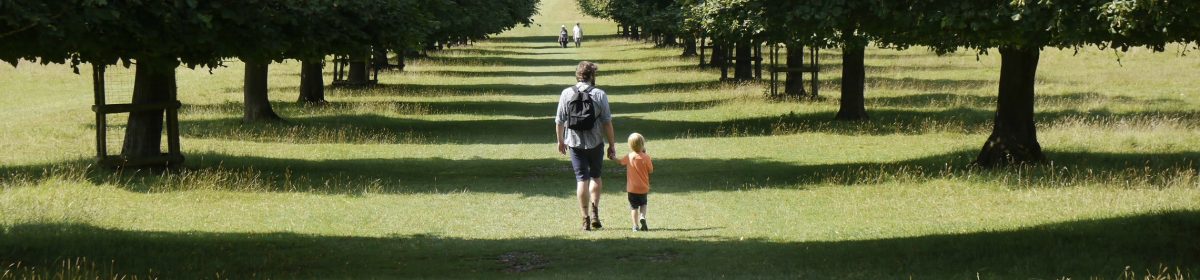
If you look carefully above the familiar Beech hangar known as the Nearly Home Trees, or more properly Cookworthy Knapp you’ll see the glimmer of a wind turbine propeller blade just peeping above the trees. I don’t know whose bright idea it was to allow it to be built there but it does little to enhance a view that always lifts our spirits when we return to Cornwall. In fact it’s not actually in Cornwall at all but still in Devon – providing a useful, if overworked, scapegoat to blame for the indignity. I feel slightly guilty about calling them “Nearly Home” because we don’t live here, but we’ve both loved coming down here for over fifty years since we lived in Falmouth for a year and fell in love with the place.

Since the first time we discovered the Lizard it’s been our go-to destination. We’ve camped here, stayed in cottages when funds permitted and brought the campervan down on many occasions. Writing and drawing have always been a part of the agenda, but photographing and recording some of the amazing plants have been added to the list so we bring a faintly ridiculous amount of kit here, up to and including the portable WiFi gear that weighs far less than the portable Remington typewriter I insisted on stuffing into my rucksack on our first visit. A second and equally eccentric corner of the bag was filled by an Italian aluminium coffee percolator. The last time we stacked our kit up in the hall our neighbour asked us if we were moving out.

Storm Chandra – the latest of three named storms has changed our idea of what’s possible while we’re here. In fact I don’t remember us having a “storm season” at all until quite recently but now it’s a thing, like the monsoon season and the hurricane season. No doubt Keir Starmer will be bending every sinew to discuss the climate crisis with the Chinese government; just after he’s signed off on buying a few more nuclear power stations and secured some juicy weapons contracts. How blessed we are to have such Nelsons at the head of the ship of state, (Sorry; that sentence was auto-corrected from ” such Nellies at the head of the shit of state”).

Anyway, our journey down was largely unaffected by the storm apart from fierce rain as we drove through Devon and a 30 minute delay on the A30 when traffic was funnelled into a single lane so that four blokes could dig out a blocked drain. We were so glad of the new windscreen wiper blades! There were flooded fields to the left and right of us almost all the way, but we managed to load the car in a dry spell and once we got beyond Helston it cleared up beautifully. Chatting to a lost delivery driver this morning he told me that the side roads hereabouts are still blocked by floodwater and fallen trees, and on the television news we learned that the Environment Agency hadn’t even begun to assemble their array of mighty pumps on the Somerset Levels until storm Chandra had made landfall. There was a worrying moment as we drove through Redruth, when we heard an awful noise and smelt something like burning rubber which thankfully turned out to be outside the car and leaking in. It looks and feels like a town where whole industries go to die. They voted against the EU down here but the new A30 improvements are a stark reminder of what a few billion pounds worth of help from the neighbours can do. So now there’s fantastic roads infrastructure for the bailiffs to haul the machinery and the jobs out of the county.

Anyway we’re here and in, and after the usual hour of curses and hand-to-hand combat with the mobile router we even have the internet. It didn’t take long to Google up what’s on locally and we’ve already signed up for a talk at the village hall on Monday about the Lizard Flora. There are two rare plants that we’ve been seeking for years – one of them – Spring Sandwort – also occurs on the Mendips and although we know roughly where they ought to be we’ve never found them. But they also occur down here on the Lizard and the reason is that it’s a plant that’s tolerant of the post-industrial mine waste that occurs from lead mining on Mendip and Serpentine on the Lizard which has large surface areas of the mineral. The other plant we’d love to find is Land Quillwort which, being not much larger than a 1p coin and also not producing flowers but spores is loosely associated with ferns and is one of the plants we have in danger of becoming extinct. The Lizard is the only place it grows. So – as my Mum would have said Hope springs eternal in the hearts of the faithful (actually Alexander Pope said that first but I prefer my Mum’s identical version.

Spring Squill (I think!)

One of the problems of identifying the Quillwort is that it bears a strong resemblance to the emerging leaves of the Spring Squill which also grows here – it’s just much smaller. We were wandering on the clifftop some years ago before we got quite so interested in plants and we met a woman who was scanning the grass as only botanists do. “What are you looking for?” I asked. You probably need to know that this was before I discovered how deaf I’d become. I was sure she’d replied “squirrels” and so not wishing to display my ignorance I asked “what sort? grey or red?” – “Spring”- she answered” and then the penny dropped. I hope you’ll also be pleased to know that just before we came away I got my third set of NHS hearing aids which are absolute game changers. Apart from being able to hold a lucid conversation with Madame (my mishearings were becoming hilarious), I can now receive phone calls, listen to music and even connect them to the satnav. Madame finds this bit troubling because now I shout at thin air and have conversations with people who aren’t there.

While I was waiting to intercept the lost delivery driver at the top of the lane I chatted to a ninety year old local man who was born here and still lives in his grandfather’s house. He looked as fit as a flea, and told me how he still gets pleasure from pushing open the door knowing that his grandfather’s hand had touched the same ironwork. The air must be pretty good around here.

No finer view of Bath on a frosty December morning?

South Riverside development – not what the PR goons want you to see.

Bath, of course, thrives by stoking a whole cruise liner full of hype. This year it’s Jane Austen but the Georgian builders also get roped in to set the scene (please don’t mention the slave trade) and otherwise we have to make do with the Romans who turned a boggy hot spring into a R&R destination for grubby and probably smelly legionnaires who needed a soak after marching around subduing the natives. We do not talk about the brothels on London Road, the extra marital uses of the Sidney Gardens or, indeed the drinking dens and brothels of Kingsmead. We don’t talk about Bath’s industrial past; the pong of the dyeworks, the pioneering engineering, the digging of the Kennet and Avon canal which – when joined to the Somerset coal canal – provided an easy route for transporting coal from the North Somerset to what William Cobbett called the great wen (London). We don’t talk about the pollution of the river which was probably as bad then as it is today, or the Great Western railway which most of us can’t afford to travel on. We don’t talk about the Somerset and Dorset line (known as the S&D i.e. slow and dirty) or the twin tunnels which were so small in girth that engine drivers and firemen expected to pass out regularly in the carbon monoxide and smoke, praying that they didn’t do it at the same time.

Perhaps I’m being unfair. If you drive into any major European city; in France for example, it’s almost obligatory to pass a few cement works. Drive north from Barcelona and you’ll see an industrial landscape comparable with the finest of Middlesbrough or Wolverhampton – and they don’t brag about it either. But personally I’m glad that I can still walk along the riverside and the canal and find hundreds of interesting plants without the danger (apart from some cyclists) of meeting anyone wearing a voluminous dress and bonnet or a soldier sporting a skirt, hobnailed sandals and shaved legs. Bath is divided by the river into two utterly different psychogeographical regions. North of the river is the posh, Georgian architectural bit where the visitors come, and to the south where the industry used to be, we have student accommodation and the uncontrolled growth of hideously expensive retirement properties which are a very profitable way of extracting value from pension savings – and for anyone contemplating buying one I’d advise that finding a GP, an NHS dentist or an appointment with the NHS Hospital may be the quickest way to lose the rest of your savings. Private care is booming here.

But a quiet, early morning stroll along the riverside path reminds me that nature always manages to make an appearance regardless of the noise and dust of building sites and traffic. I’m a creature of habit and so my walks tend to concentrate on a few areas. If I was trying to impress I suppose I could call the walks transects – which is a natural history word for repeating a walk along a particular route and recording everything I see. When this is done over a period of years, it yields invaluable scientific information about climate change and its effect on wildlife. I can begin to see which unusual plants are the chancers with no chance of setting up home. I could see (but haven’t yet) both otters and beavers in the river and we have filmed mice, rats, deer, badgers, foxes squirrels and cats on our allotment; and I can also see newcomers settling down having found a new niche for themselves. Slow walking could be a thing just as slow cooking has, because everything becomes richer and more engaging as I learn more about the area. The wildlife of an area has a certain “thusness” and directness about it that the muddy pond of mediated experience – (can you see the word media barely hiding in there?) – just can’t match. Mediated Bath is like the worst of takeaway food – it always leaves you malnourished and hungry – but wild Bath is always at hand; in the pavement cracks, in basement walls, in unkempt verges and building sites and instead of scuttling along my walks like a rat, I can walk slowly and savour every moment as a kind of epiphany. So build on – you rubbish architects, greedy developers and landlords. You and your buildings as ephemeral as a hatching mosquito and less deserving of our deference.

As you may have noticed, I’ve been reading a lot about fungi, and it seems to me that if we’re taking the latest science at all seriously, we have to accept that a serious amount of mutuality goes on in nature. Plants and fungi almost universally exchange nutrients to their mutual benefit. Lichens have evolved an even closer togetherness by uniting bacteria and/or algae into an apparently singular life form. Plants rely on insects and larger animals for pollination and seed distribution; swapping pollen for nectar and taking seeds away in paws and fur and droppings. Even apex predators normally tend only to kill and eat when they’re hungry. In fact Nature seems to prefer a situation where every life form gets something out of the arrangement: all of nature except we humans who think we’ve got the right to take it all without regard to the needs of any other creature.

I have a correction – or perhaps an addition to my piece yesterday which mentioned a black apple which I was told was French in origin and called L’Abri. The apple tree on the allotment site matched the description of an American apple called Arkansas Black very closely especially in its perfumed flavour of apple and custard; but today in a bit of further exploration on the National Fruit Collection website – which is brilliant – I came up with a Belgian apple called Abi Noir which looks almost identical to the American is much cheaper – ÂŁ14 as opposed to a greedy ÂŁ350 for the bare root tree.

This morning we worked in frost and sunshine on the allotment and it was lovely to be outside in the winter weather. Our son phoned to ask about presents at Christmas and said he’d be happy to buy us a portable moth trap if we’d like it. Well yes we would, rather!! trying not to sound too excited. There’s more wildlife around in city centres than you’d ever imagine. Below are a few photos of bits of the wild that caught my eye as I walked back from the garage, all within sight and sound of the building site across the river. They are, clockwise, an abandoned bird’s nest, the riverside path, the last bloom on a dog rose and the river bathed in mist. If you look carefully at the nest it includes bits of wool, bindweed, insulation mat, grass and twigs. You see, nature is even better than we are at recycling. The nest, by the way, was right next door to the recycling depot.

Camino 15: Decazeville, by the rivers of Babylon

30th May 2010

Woke to pissing rain – so glad we’d ordered breakfast for 7.30.  Packed tent wet and put on all our waterproofs to leave at 9.00am.  We’d inadvertently exchanged trousers so I was wearing M’s extra large ones and his looked extremely slim and tight!  Flogged up awesome track out of Conques so we were wet with sweat by the time we reached the top. Miserable cold, windy and very wet.  Hard walking all the way.  Decazeville looked like Blaenavon on mogadon.  Dropped down 300m and the straight back up the other side. Arrived at Livinhac le Haut at about 3.00pm, knackered again.  Found campsite on river but couldn’t face wet tent so we rented a caravan for the night and paid 60€ for dinner bed and breakfast. So we could dry out all our stuff in the caravan.  My rucksack leaked badly at the bottom so my shoes were wet through.  Slept on a bed this afternoon – bliss! Own shower own toilet.  Bed 8.45

31st May 2010

Still cold, windy and pissing down at 6.30 so we discussed our options.  Me very pessimistic.  M (as so often) practical and positive. Shower out of gas too – so got cold and wet while I struggled with the controls and then gave up. We were the only customers at breakfast.  I think the campsite has fallen on hard times.  Only about 8 diners from the nearby gĂ®te d’etape last night.  Onion soup (I was so hungry I ate it)  Salad of grated carrots (that’s all)  chips,  duck and the ubiquitous haricots verts – the French cook these with real hatred like my mum used to cook sprouts.  M noticed a burned out caravan and a similar tent just left there.  I expect if you looked in the orchard you’d probably find the previous owner’s body still hanging there.   Anyway I negotiated with the owner and he offered to drive us to Figeac for 50€ –  so 118€ for bed breakfast evening meal and transport for 2 – deal!

Figeac on a wet Monday made Haverfordwest look cosmopolitan. Everything shut except a couple of rainswept cafĂ©s.  Thought for a moment the whole town had a crack cocaine problem – certainly saw some edgy looking people around.  Just about lost the will to live when we noticed 2 bedraggled pilgrims carrying shopping bags so we went back into the centre of town and found a LeClerc open and several other signs of life (3.00pm) Bought food and a Guardian Weekly went back to the campsite, nicked a couple of chairs from an empty chalet and read.

Journal

Of course anyone with a grain of common sense will be asking me how I have the nerve, after all I’ve written about the church, to put on a frock and say things I’ve apparently long since stopped believing. My answer would be that I have always believed that Christianity can only be accepted as a practise rather than a rosary of written propositions about unfathomable mysteries. My biggest difficulty with the day was taking on the persona – Rev Dave – even for a few hours – after laying him to rest for eight years. I don’t believe for a moment that my blessings would twist the arm of any conceivable non material being; but I do believe in grace

13 years later

I swore I’d never do it, but when Harry’s daughter asked me I couldn’t say no; and so yesterday, for one day only, I came out of retirement and agreed to bless his grand daughter’s marriage. I owe him too much to do any other; however I named my price – that I would insist on wearing trainers – and the deal was done. It was – as I’d always known it would be, totally exhausting – but spending a few hours with Harry (96) and his family was pure joy. A haircut and beard trim were obligatory on my part- Harry is an ex soldier and retired surgeon and the man I’ve looked up to for more than thirty years; a true role model and inspiration. He was also my Churchwarden for much of that time and saved my skin more than once from a small contingent of members who wanted me out/dead/whatever …..

Of course I was absolutely running on empty by the time we drove home, and all I could think of was a glass of wine – but having poured it out I took a sip and flaked out in an armchair. I woke almost ten hours later dreaming about David Attenborough driving children off the beach at Severn Beach (where there isn’t one) – waving a radio handset and shouting dark threats against trespassers. I’ll leave you to work that one out because I haven’t a clue. I was, however feeling unsettled and flat because I knew I was about to write about Decazeville. But Madame had a cunning plan, and – as ever – it was a good one. “Do you fancy driving up to Mendip” she asked casually after a very late breakfast.

The sun was shining, it was unusually warm and we walked in T shirts around Stockhill Plantation where last year we found dozens of species of fungi but today almost none. All of the mycology websites have been lamenting the late start of the autumn flush of fungi and they are entirely correct. It was spookily fungus free – BUT – today I found one I’ve been looking for, for ages. It’s beautiful, delicate and unusual for a fungus with a cap it lives up trees – particularly beech trees. Here it is: Pleased welcome the Porcelain fungus – Oudemansiella mucida

But there’s an irony in this excursion on to the Mendip Plateau but although I grumble about the depressing ugliness of Decazeville it shares an origin with high Mendip because they are both former mining areas and still bear the scars. Mendip was mined for lead and copper, and Decazeville for coal – an industry concurrent with the industrial revolution. I can think of walks nearer home where you experience the same disjunction between two adjoining landscapes; empty hillscapes and semi derelict industrial areas. Walking south from the Bannau Brycheiniog (Brecon Beacons) you might take the Beaufort road and, crossing the empty hills, walk downhill past an opencast coal mine and into the Welsh valleys which once powered the industrial revolution here. The same slightly depressed feeling hangs like a miasma over these post industrial towns. Our walk yesterday was through a plantation that has now pretty much covered about 24 acres (12 hectares) of what’s known locally as gruffy ground; covered in shallow exploratory pits where miners from Roman times onwards have prospected and mined surface deposits of lead ore.

The great advantage of writing up the Camino journal is that these parallels constantly crop up. Obviously being wet and miserable I failed to do justice to a little town that has fallen on hard times. I just checked the local statistics and discovered that the town has only existed for 150 years; the sole raison d’etre being the extraction of coal which ended in the 1960’s . Population about 1500, just 26 two star hotel rooms (and no others at all) and no campsite – so by inference, the Pelegrins don’t stop and spend their money here. The Transit vans and crew buses full of paying pilgrims pass quickly by to more attractive places. My strongest memory of Decazeville is the smell of dog poo wetted by the rain and the continuous procession of gigantic Renault lorries – oh and one of those very thin pilgrim ponchos abandoned in a hedge like a giant pink condom.

But why should pilgrimage be an endless sequence of more or less beautiful places and memorable stops. Life really isn’t like that and I guess I’ve waited 13 years to allow that thought to emerge into the light of day. I feel slightly ashamed of my negative reaction to Decazeville. On a sunny day and with time to explore more fully I’d probably be praising it as I regularly praise all sorts of heritage industrial remains. I don’t think Madame will be wanting to join me on that expedition, though!

Finally – to complete our afternoon on Mendip a few shots of a very beautiful Scaly Male Fern, Dryopteris affinis and a tiny lichen, British Soldiers Cladonia cristatella. Maybe the Rivers of Babylon aren’t so bad after all?

On hot nights and secret lives

It’s been as hot and sticky as a short story these last few nights. If I look at the sunrise time on my phone in the evening it’s a fatal invitation to be wide awake by 4.30am, and if – on top of that – I feel guilty because I haven’t posted for a couple of days, I’ll inevitably spend half an hour trying to go back to sleep before I get up and face the creative music. Trying to go to sleep is, of course, an oxymoronic concept like trying to fall in love. Then there’s the microscope, sitting on the desk next to the laptop in the most distracting possible way. I give it a half hearted stroke as if to placate it, but putting a new and important object on the desk demands something like the traditional way of training a hawk; you have to stay awake for whole nights, locked in a shed together until the resistance is broken and you can begin to work together.

During the past two unrecorded days we’ve been busy with our family. Babysitting duties were joyfully revived after a four month break – Zoom meetings might be OK for the office, but children don’t do them. Somehow, and without planning it at all, we took a break from constant work at the allotment and spent a good deal of time researching and seeking out new parts of the city and its surroundings. The sunshine has allowed us to explore further down the river than ever. There’s real joy in building up our understanding of our new home (of five years) by exploring all the interconnecting footpaths and roads that express its deeper history as much as they provide convenient short cuts. Behind the showy Georgian architecture – more closely connected to slaving wealth than we like to admit – there are visible remains of stone mining and coal mining. The canal was the trading motorway of its brief period, supplanted by the railway and now by the motorway that runs to the north of the city; and the Bristol/Bath cycle path which runs past our flat completes a wildlife corridor that runs almost uninterrupted from East to West. The upshot of all this is that you can see otters and peregrine falcons (if you’re lucky and persistent) in the middle of the city.

The tourists flocked to the Roman baths and the Jane Austin Disneyland experience (and of course the shops); and missed much of what’s most fascinating about our adopted home. Now they’ve gone, the shops pubs and restaurants are really struggling; unemployment is soaring in the occupations that onced serviced them and we can walk through a largely quiet town on sunny evenings and enjoy it in a way that’s become increasingly difficult over the past decades.

If you include humans in the wildlife of the city it becomes even richer. A couple of days ago we found a whole new north/south crossing of canal, railway line and river. On the river we watched a solitary wild swimmer making her way gracefully against the flow, but in the background we could hear the hoots and screams of young people having great fun tombstoning off the bridge and into the Avon. I think we’re supposed to disapprove of all this and remind them that this kind of mating behaviour is expressly forbidden by the notice. Yes it’s dangerous, and yes they might get into all sorts of trouble, and yes, I knew a child when I was young myself who drowned near here and yet ….. I think we both said a silent prayer for them and left them to their fun. These days of sunshine shot through with erotic desires and the certainty of living for ever don’t last. Tempus fugit and before we know where we are, we know where we are.

But don’t run away with the idea that only the young get themselves inflamed by a summer’s day. As we walked along the canal last night a middle aged couple met at the middle of the footbridge above the Widcombe flight – each coming from the different direction; and kissed one another with ferocious intensity. Well well, we thought, putting aside for a moment thoughts of the deceptions and misery that lurk in the hinterland of an affair. People watching is almost as engaging as spotting the cormorant preening itself on one of the chimney pots of the old granary, opposite the bus station or seeking out the fledgling gulls that make the most terrible screeching during those weeks when they’re just about capable of flying but still depend on a parent for food. Last night we spotted a couple of young peregrines touching base for a moment at their nest before soaring off again.

Thoughts of grass (not that sort!) have also been occupying me, and I discovered four and a half hours of a webinar on grass identification run recently by the BSBI and now on YouTube. They’re pretty chewy sessions but well worth the time if you’re at all interested in identifying these tricky subjects. The greatest challenge in combining botanising with walking is the need to identify things very fast. Too much kneeling down, rooting around, note making and photography can lead to friction in our perfectly harmonious (ho ho) relationship; and so the art of snatching a bit of material and identifying it without stopping needs to be backed up with a great deal of reading and study so that, for instance, I can finally nail the ragworts without actually getting caught botanizing – slightly less dangerous, I have to say, than kissing strangers on bridges, especially at my age!

The secret life of the City can be compelling, and a welcome antidote to the tide of lunacy that besets our politics at the moment. Whether we shall emerge from all this with a new understanding of how badly (and quickly) we need to reshape our relationship with the earth remains to be seen, but the parallels with Weimar Germany and the memory of the way that whole civilizations can perish under the weight of their own contradictions, is just another of the things that keeps me awake at night. Being human has never seemed so challenging.