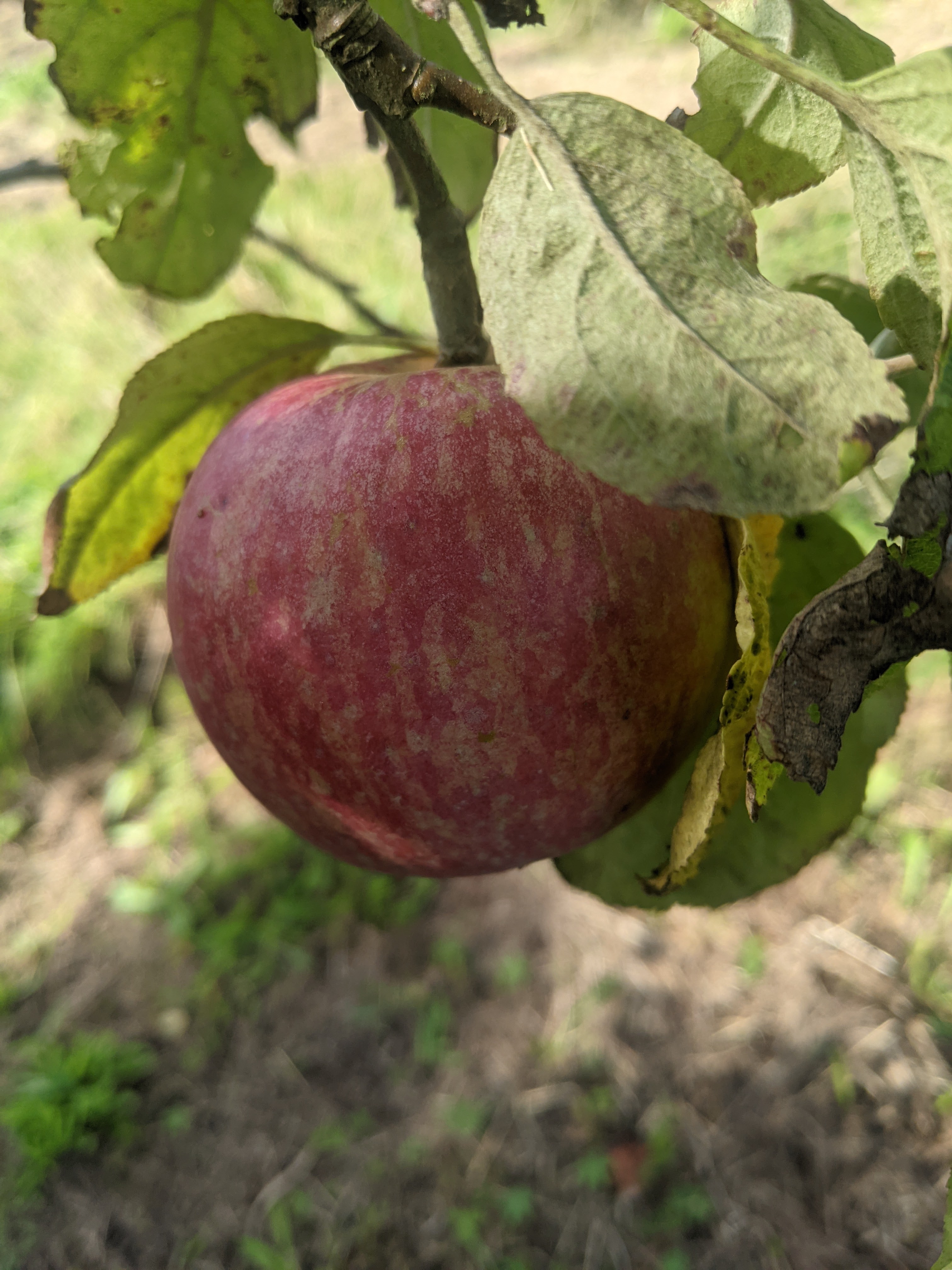
Blackberry tourists II

The Irish sea from Tudweiliog

It’s two years since I last used the phrase blackberry tourists in a post and I won’t repeating the content in that one so, I suggest you might like to take a look at it. The search facility is so much improved on the blog these days you can type almost anything into the enquiry line and get a whole host of posts that contain the term.

The tag came from a TV film about the Lleyn Peninsula which is all it took to persuade us to come here and take a look for ourselves and – like so many others – we’ve been coming back ever since. RS Thomas the poet and parish priest back in the day would have hated us. He had a reputation for driving his Morris 1000 around the roads here at 15mph, exulting in the delays he was causing to the tourists.

Anyway we’re back again after the usual convoluted journey that takes six hours because it’s more fun to drive through the Brecon Beacons, the Cambrian Mountains and past the Berwyns in order to get to Snowdonia. We’ve driven across the mountains in snow, rain and fog and on one occasion we got thoroughly lost after a detour to look at the Arenigs so we could see the landscape that inspired John Dickson Innes to paint some of the finest post impressionist landscapes by any artist anywhere. He could beat his painting companion, the much better known Augustus John, into his own (JDI’s that is) felt hat. I’ve spent hours on the internet looking for a hat just like it, but such glorious rain shedders and shade providers are no longer needed for a largely indoor world. Yesterday we stopped at Llyn Clywedog as we usually do, for a cup of the usual flask flavoured tea and it was immediately obvious that the water level must be at least 15′ lower than we’ve ever seen it before. The changes in the weather continue to amaze us and after the warmest and driest start to September in many years we were fortunate to have unloaded the car when the first real weather front in weeks shipped up across the Irish Sea from the Atlantic. And it rained and blew all night long as the temperature dropped by approaching 10C and we woke to proper autumn; fresh, gusty and clear, with the last of the cold front moving eastwards towards Monday morning commuters searching desperately for some fuel to get them to work; and leaving small cumulus clouds scudding across towards the mountains where they will join forces once again and help to fill Llyn Clywedog.

And so we’re here armed with cameras, laptops and drawing pads – oh and a fiendishly heavy bag of books I that I intend to read. I won’t bore you (or attempt to impress you) with the complete list because I’m bound to mention them later, as I read them, but for starters I’m into Jacques Ellul’s “The Technological Society”. Sadly the ÂŁ10 edition I got hold of was the cheapest and nastiest bit of badly printed kitchen paper I’ve ever seen and so if it weren’t so challengingly good I’d have thrown it on the fire. But sadly the hardback costs ÂŁ109, the paperback ÂŁ79 and unbelievably the Kindle edition ÂŁ75. It’s a scandal that academic publishers are able to get away with it – relying on students with library access and academics who can lay off the cost against their departmental budgets. I suppose they think there aren’t enough of us poor autodidact oiks around to make them a profit. So just for the record, unless you’re desperate, avoid the cleverly named “mass market edition” which looks as if it’s been poorly scanned and had all the line spaces made smaller as if they were budget airline seats.

The object of reading the book is to try to get behind what Charles Massy calls “the mechanical mind”. I’ve written recently about the danger of a fetching turn of phrase that only seems to mean anything as long as you don’t think about it too much, and so I’ve turned to a ram-stamped and implacably logical French radical sociologist (once a member of the French Resistance – so a firm relationship between his money and his mouth) -to help guide me through a tangle of worthy verbiage and wishful thinking until I can grab the beast by the throat and cut its intellectual hamstrings. If we’re serious about saving the earth we’d better know the enemy better than they know themselves!

I’m not opposed to technology – without it I would be writing this and you wouldn’t be reading it – but it’s a useful tool and a terrible dictator if we allow ourselves to be seduced by it. So here’s a fun bit of gossip I picked up recently – names left out to protect the source (and me from being sued). A certain company that makes or designs GPS equipment increasingly used in intensive farm machinery discovered a software glitch that caused zillion pound robotic machines to run into trees. I’ll always treasure that image! The software company that was employed to sort it out suggested the cheapest remedy was a device to switch the engine off when the behemoth failed to notice the tree. But no that’s not right – and it’s the trouble with the technological mindset – all solutions must necessarily include more technology. How about getting a driver on board? …. or, dare I say, solving a hundred problems at once by not building and using these giant earth turners and chemical dumpers at all. There we are – problem solved! My invoice will be in the post.

Good days and bad ones

But first, an extraordinarily heartwarming conversation with my eight year old grandson. We were in Dyrham Park, walking along the edge of Whitefield – a stunning wildflower meadow which we haven’t managed to see for two years because of Covid. The grandchildren had all been dosed with antihistamine because their mum knew they’d be rolling around in the grass at some point during the day. It happens that their sister is given the drug as a liquid, orally and to save time the other two also got it from a small syringe this time. So oldest grandson and me were chatting about all this and we wandered into the topic of words that sound the same but are spelt differently and have different meanings. Orally and aurally came up of course – and then he said to me quite unexpectedly – “they’re called homophones”. I could have cried with joy at him even knowing the word, and -in the way that children are – he was a bit surprised (but rather pleased) at how thrilled I was. High fives all round. I love going for walks with him because he’s so eager to learn. Each time we go out I teach him the names of different flowers, plants and trees, and tell him their stories. It lights up the day for both of us.

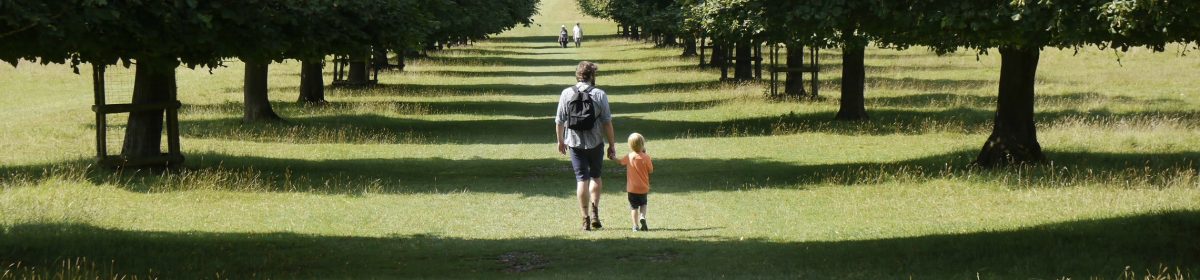
But at the very top of this page – the one that comes up every time – there’s a photo of the same grandson walking down an avenue of limes, holding hands with his uncle Jonah’s hand. Sadly the avenue of trees no longer looks the same – and it’s for the oddest reason.

The aspect of the landscape in that particular shot caught my eye, not so much for its natural beauty, but because in reality it is so artificial. The lower leaves in the regular avenue of limes is – or rather was – clipped to such an even height above the ground it reminded me of the famous Marienbad film setting. But this wasn’t achieved by platoons of gardeners but by a wild herd of roe deer which has lived there for a couple of hundred years. Sadly the herd was all slaughtered during the Covid outbreak because of a persistent outbreak of bovine TB. It was all very hush hush in the way it happened; probably in anticipation of a fiercely negative response from the thousands of visitors who’ve grown to love them. If you live in the UK you’ll already know about the furore that’s arisen over the slaughter of a single llama for the same reason. However it’s done now and we’re promised the deer herd will be replaced as soon as possible. I simply don’t know whether the vaccines that exist for farm cattle would work for deer, but if they do I’d be saddened by the fact they weren’t used. There may be other reasons, though. Some visitors had no idea how to treat the deer as wild animals, and one ranger told me they’d had to intervene when a large group of visitors tried to corral a section of the flock in order to take photos! Deer, like all wild animals, respond badly to stress and I’ve long wondered whether TB isn’t a symptomatic disease of stressed animals.

The upshot of all this is that the grassland character is rapidly altering, with rank grasses taking over; and the lime avenue is looking distinctly ragged now. It’s amazing how quickly this has happened. The countryside as expressed in the great English parks is about as artificial as it gets; and it’s easy to see, particularly at the higher level of the park – the scrub will very soon take over when it’s no longer grazed by the deer. Eco purists and some rewilders might think this is a good idea; but I’m not so sure. All landscapes are artificial in one way or another, depending on the management strategies in place. Wildflower meadows are no more “natural” than municipal parks if by natural you mean left completely to their own devices. Each type of landscape – even (or especially) abandoned industrial sites – develops its own unique ecology. Maintaining peat bogs requires minute attention to water levels, for instance. So diversity is best maintained by deliberate management. I just don’t see how Dyrham Park can be maintained as it was – without its deer herd.

But finally, the bad news is that the badgers on the allotment eventually found a way past our barriers and finished off the sweetcorn. The video at the top was probably the marauder himself leaving the scene of the crime. And so, the fencing will be strengthened even more next year. Luckily we had a least a few feeds, and although we could wish they hadn’t broken in; we wouldn’t want to see them disappear altogether. Once again, maintaining ecological balance has its pluses and minuses. A couple of days ago I lamented the fact that there are no hedgehogs on the site, but of course badgers are one of the main predators of hedgehogs. Whenever we intervene in nature, however worthy our intentions, the results are often full of unintended consequences.

Farming, gardening, house building and transport infrastructure – to name just four of many possibilities – are all loaded with ecological consequences and ethical choices. Even a visit to a National Trust attraction involves ethical choices. The earth is a place for moral grown-ups; or at least it is if we want to save our place in it. Occasionally, on my bleaker days, I wonder if it wouldn’t be better to leave it to the plants and animals who got here first; but usually I just think – better get on with it then.

As easy as 1,2,3 – possibly

Reflecting on the season which is drawing to a close, there’s a lot to be thankful for – not least the new polytunnel which has done all we hoped for. It was a big investment for us and it was a nightmare getting it up in the freezing cold and wet of March; but without it I don’t think we’d be making tomato sauces for storage on anything like the scale we’ve been able to. Within two weeks we’ll be taking up the vines and any green tomatoes will be turned into chutney. We weren’t so lucky with the aubergines mainly due – I think – to the humid weather which apparently makes the pollen sticky. But after a week of hand pollinating with a watercolour brush, the mass of flowers look as if they are setting some fruits at last. All we need now is warmth and sunshine to finish them. The other great polytunnel successes have been the melons – which I’ve already written about.

However, it’s been a savage year for slugs and then recently blight which has destroyed most of our neighbours’ tomato plants. We took the decision some years ago to grow blight resistant varieties as far as possible. They’re more expensive because they’re F1 hybrids but we’ve harvested over 60 lbs so far with another 20 still to come. Most of our neighbours have lost the lot – which is terribly discouraging, especially for newcomers. Let’s be clear, these varieties aren’t GM or anything like that; they’re just the result of old fashioned field trials and – so far as we’re concerned – they’re worth every penny. We only grow early potatoes now so blight isn’t an issue; but we have grown blight resistant potatoes (Sarpo varieties) in the past and they’ve worked very well. There’s a dilemma here because it would be lovely to continue with heritage varieties but if they die before they provide any food you have to wonder whether it’s worth the heartache. The devil here, of course, is climate change which has utterly altered the weather that most heritage varieties were selected to grow in.

But that only addresses the problem of blights and fungal infections. Pests are another problem and once again there’s a dilemma because since we started filming our nocturnal visitors we’ve seen foxes, cats, badgers, squirrels and an assortment of greedy birds. The one animal we haven’t seen – and if the image of the allotment as a wildlife haven were true, we should have seen – is the hedgehog. In five years not a single one has been seen on the allotment, and the reason is patently obvious – it’s slug pellets. Most of us talk the talk when it comes to controlling slugs and snails harmlessly; but when slugs fell a whole row of spinach seedlings in a night, it takes a whole lot of forbearance not to reach for the pellets. Now that metaldehyde has been banned, the new iron phosphate replacement might fill the gap but hedgehogs, badgers, toads and birds would be far more effective. Surely giving up the pellets would be a sacrifice worth making if we could get the natural predators back on the job?

And that immediately raises another dilemma. How do you keep the ‘useful’ predators off the crops you want to eat? Badgers especially can destroy a whole year’s corn in one rampage. The photo says it all!

Badgers destroyed this crop on a neighbour’s plot 2 days ago.

There’s a cultural tic that afflicts a lot of allotmenteers that treats any expenditure at all as a bit – let’s be honest – middle class incomer, far too rich so and so’s. I’ve witnessed many a cutting remark about those of us who choose to invest our savings in physical crop protection – fences, insect mesh and butterfly nets; but to me it seems absurd to expect to grow a significant amount of food without spending any money in defending it. This year we invested heavily in micromesh to try to stop repeated attacks of allium leaf miner and carrot fly – and guess what? It has worked brilliantly, which is why organic market gardeners and farmers whose chequebooks are permanently welded shut to preserve the bottom line, willingly shell out on physical crop protection. Pests and diseases are indiscriminate and all we can do is keep them out of our food supply without declaring chemical war on them.

Cabbage butterflies, slugs, snails and aphids aren’t going extinct anytime soon, but the higher predators who rely on them for food, well might. We need to include positive effects on biodiversity, healthy exercise as well as fresh organic food in the profit and loss account for any allotment. I’ve come to believe that there’s even a place for the rat in the great scheme of things – so long as they’re not peeing on our lettuces!

Black Gold

Well, after a two long sessions at the compost bin we finally achieved somewhere around 350 litres (ten largish tree containers) full of pure, screened compost and, with the bay empty, I could then turn the newest heap into the vacant space and start a fresh batch. Composting can be pretty slow – especially in the winter months – but (like narrow boats) as long as you can keep the loads moving through the system, they can emerge ready for use in surprisingly large quantities. If there’s a trick to it it’s no more complicated than watching the mixture of green and brown elements, turning regularly, keeping an eye on the temperature and paying attention to the moisture levels. Dry heaps stand still; wet heaps stink and the best compost just smells earthy – as if you’d scooped up a handful of woodland soil.

Of course it’s not necessarily a good idea to use the best compost neat. At the end of the row of four bins is one that’s just filled with leaves each autumn (fall). During the following summer we cap the leaves with a bit of fertile soil and grow cucumbers and squashes on the top of the leaves, and they do very well indeed. When the plants come out in September we have a bin full of leaf mould that can be partnered with the compost – plus some sand, grit and/or vermiculite to make a perfect seed compost (hardly any compost) potting on medium (a bit more fertility from the black gold) or use the home grown compost as a top dressing for the beds – possibly mixed with some leaf mould which, even on its own, is a marvellous soil treatment.

What we’ve discovered (everyone gets there in the end!) is that too much nitrogen can make the plants somewhat sappy, leafy and vulnerable to aphids. A little bit of hardship does most plants no harm and, according to James Wong is positively good for chillies.

The addition of the polytunnel this year has meant that we are doing work now that we would normally do in September and October. The tomatoes, for instance, are loving the warm environment and are several weeks ahead. We need to get all the plants in the tunnel harvested in the next few weeks to re-sow and plant up for the protected winter crops. That’s why the compost is being stored inside the tunnel where a good deal of it will be used to top dress the beds.

Turning compost is hard work, but today’s work revealed at least half a bin – possibly another ten containers of compost that will be ready to screen in a few weeks time. Good news all round, then.

Today we ate the first of the sweetcorn – rescued from the resident badgers with a double fence of netting. One of our neighbours is protecting her cobs with sleeves cut from bottled water bottles – but since we don’t buy bottled water (I think I read that it’s about 1300(!) times more polluting than tap water) – the double fence will have to do. Anyway the corn was absolutely delicious – far better than anything you could ever buy in a store. I’m tired of hearing myself say that it’s been a strange season but the proof of the pudding is in the eating and planning for next year feels more like a lottery than ever before. Madame provided us with a meal largely comprising our own home grown food tonight and it was lovely. But tonight we’re going to sit down and veg out – pun intentional! A bunch of books just arrived with translations of Basho’s haiku. The plum chutney can wait. The beetroot relish is bottled up, along with the piccalilli all of them placed under wraps until Christmas. It’s nice to have stores of preserves but January can’t come quick enough in the marmalade department as we’re down to our last half a dozen jars. Life is good – but then even in a cold and wet August we’d expect nothing less.

Whereof one cannot speak, thereof one must be silent.

Well yes, Captain Kipper (OK actually Ludwig Wittgenstein) – but what if there’s something you’re trying to articulate that’s so liminal, so at the boundary of a concept, yet to be properly mastered, that words and their meanings need to be forged anew? Surely that’s the work of the poet? and can’t be shirked in favour of silence. Language is endlessly adaptive; always finding ways to speak the previously unsaid, and one of those ideas that’s slowly being forged into speech is the curious relationship we have with nature.

We arrived back from our family get-together in Cornwall and went straight to the allotment, as you might expect. Then we prowled around to see the state of things; set up the trail camera and made plans for today – and today it rained; so we put on our waterproofs and got on with picking out the courgettes that had swollen to blimp size during the week; harvesting tomatoes, aubergines, runner (pole) beans, potatoes, peppers, summer squashes and masses of herbs. As you will know there are only two of us so this season of plenty has to be matched with a positive frenzy of pickling, preserving, boiling, reducing, freezing and fermenting. It’s been a crazy weather year and right now with the jetstream moored south of the UK we’re stuck in a series of lows, bringing cold winds and rain in off the Atlantic – it feels like autumn already.

So today we got wet and yet we both felt completely content just to be there. After finishing harvesting, Madame got on with summer pruning the fruit trees while I wheelbarrowed down enough woodchip to level the path in the polytunnel. There’s a reason for this because our plan is to clear the tunnel completely by the end of August and then we’ll need easy access with a wheelbarrow to bring compost in to feed the beds ready for the winter crops. Later in the kitchen I made stock and prepped a dozen half litre jars ready for tomorrow’s new batch of roasted tomato passata while Madame prepared to cook a bulk batch of ratatouille which freezes very well. All the while I was making sourdough bread and attending to the starters after their week in the fridge.

Perhaps one reason for the rather philosophical opening paragraph was some marvellous video footage of our friend the badger failing to find the sweetcorn beyond two layers of soft net and a maginot line of tagetes and mint – which we make portable by growing it in pots. Badgers hunt by smell and we aim to confuse them as much as possible. The three sisters experiment is exceeding our expectations and we have corn ten feet tall with borlotti plants climbing to the very top, whilst below some fat winter squashes are developing nicely in the shade. It looks a mess but it also looks like a success. The only predator likely to get to them before us is the badger; but since we invested in the trail cam we’ve grown to love the nocturnal intruders. We want to deter them of course but we wish them – with the foxes, squirrels, magpies and even the rats – no harm and the reason for that is that we have begun to see them as having their own inalienable rights over the land. The thought that they’re out prowling during the night gives us as much pleasure as the sound of a tawny owl calling does. We share their taste for the vegetables we grow, but perhaps value them more in their appetite for the slugs, snails and rodents that trouble us. The old binary division between crop and pest is dissolving and it’s that disappearance which demands a new language. The actors haven’t changed at all – badgers love corn and that’s unavoidable. What’s changed is that we are beginning to accept that if we want to save the earth; all those binary distinctions will have to be overcome through an unprecedented change in the way we understand, and therefore speak of our place in nature .

Wheelbarrowing woodchip with the rain running down our necks; stacking the compost heap with a mixture of green waste and wood chip and feeling its rising heat the next day; summer pruning, rooting strawberry runners and sowing chard for the autumn is done not though the domination of nature with powerful tools and chemicals but by attempting to think like a fox or a badger or – more oddly still – to think like a compost heap, or like the earth in a raised bed. It demands that we learn to think like a tomato or a potato; to ask what ails you? as we did today when we were examining what might have been tomato blight but turned out to be (in all probability) didymella stem rot, caused by stress – in turn caused by a poor watering regime. Failure often brings knowledge. Yes we talk to our plants; but more mysteriously – and only when we listen with complete attention – they speak to us in a language we have barely begun to understand, and which stands on its head, centuries of binary thinking through which we believe ourselves to be independent, separate subjects moving through a sea of resource objects. In this new state of being we are (imperfectly) in what Gary Snyder described thirty years ago as a “trans species erotic relationship” with nature; which sounds clumsier today than it did when it was written – but the word erotic captures the sense that this relationship transcends the instrumentality of the old ways and enables powerful feelings for nature which offer a pathway out of imminent destruction. Talking to the trees – it turns out – is a two way conversation as long as we are willing to get over ourselves and listen.

Hardening of the oughteries

Taken yesterday in Gorran Haven – who or what is “boy jowan” and is there a future for them?

The title of this post is a borrowing from Frank Lake, the inventor of Clinical Theology which has pretty much disappeared these days, but back in the day was a force for good in its attempt to make a marriage between theology and healing. Nowadays it looks like a forced marriage that was bound to fail; but this term – hardening of the oughteries – perfectly sums up for me, the danger of committing the ultimate ethical error of confusing ought with is.

On Thursday when I last posted, we were preparing for unseasonably strong winds down here in Cornwall in the far South West. An hour or so after I pressed the send button, an HM Coastguard vehicle turned up on the campsite , warning that the weather forecast had underestimated the strength of the storm that was about to make landfall, and the predicted 60 mph gusts were more likely to be up to 80 mph.

The campsite owner toured the site warning us that force ten – storm force winds – were about to arrive and giving us the option to leave ASAP if we were worried. A small convoy left the site within a couple of hours and we battened down – veterans of fifty years of western coastal camping during which we’ve lost three tents. This time we were in a campervan, it’s true, but the rest of the family were all in tents. At the height of the storm people were clinging to their tents to try to save them. Around twenty five people slept in a community room on the site while their tents were smashed by ferocious gusts of wind. In the van – broadside on to the winds – we rocked on the suspension as brief periods of silence were followed by explosive gusts slamming us.By the morning, half of the campers who’d elected to sit it out had lost their tents. It was the biggest storm we’ve ever encountered; pretty scary to see what nature is capable of throwing at us as the climate emergency advances.

All of which brings me to the oughteries. For us, and for millions of others, the link between the climate emergency and our wasteful, greedy and polluting way of life is so obvious we can splutter with rage at those who don’tor won’t – get it; and playing at being the cock that crows on the dunghill is a curiously self-regarding way of trying to change things. Hardening of the oughteries is that state of mind that abuses a kind of of self regarding personal virtue in order to detach ourselves from responsibility. When we suffer the extremes of the climate emergency there’s no virtue in claiming that we weren’t responsible because we walk everywhere and recycle plastic. Waiting for the opportunity to say “I told you so” overlooks the critical point that the climate emergency overwhelmingly affects places and people we have never met; the poorest of people generally speaking; and the kind of people who have no alternative but to become migrants and refugees in order to escape famine and wars funded by the wealthiest parts of the world and often proxy wars over scarce natural resources.

As we drove down here we took a short cut off the A30 towards St Austell and to my great surprise we passed a lithium mine. The mad rush to promote electric cars to lessen atmospheric pollution seems to ignore the obvious capacity of lithium mines to create their own unique pollution hazards. In this county which has been so hard hit by de-industrialisation and the collapse of tin and copper mining; it will be hard to say that thousands of new jobs mining lithium should be turned away. The Cornish inshore fishermen are only now realising that their dreams for a Brexit powered goldrush were a cynical con trick. I don’t want to be saying “I told you so” to any of these people, and neither do I want any of them to have to sell their houses and move away as the only option for a better future, away from the insecurity and exploitative jobs on offer in hospitality and cleaning for out of county second homers.

The ostrich approach is to believe that we can carry on the way we have and hope that the technological seventh cavalry will come galloping over the hill to save us with giant machines capable of removing gigatonnes of carbon dioxide from our polluted air. Of course it’s blindingly obvious that there are no free lunches to be had in combating climate change and big machines demand big energy to run them; setting us on a mind numbing treadmill that demands more and more energy in order to extract the pollution caused by extracting and using more and more energy.

Hardening of the oughteries simply polarizes the debate and delays any prospect of change – always to the advantage of of the biggest winners; the international corporations who stand to lose most when we finally come to our senses. Less really is more; it’s hardly a new idea but so far as I can see it’s the only viable alternative to our present course. The visionaries need to do more than shout at the cynics and so-called realists. We need to model an alternative future with every means at our disposal. It’s nothing less than a paradigm shift that we’ll need, as we watch the dream of never ending growth and progress collapse; and nothing could be a greater dereliction of responsibility to turn away and shout “I told you so” at the victims.

Growing, cooking, eating

Of course, however much we’d like to boast how skilled, clever or green fingered we are the truth is that it’s more likely that the allotment is growing us rather than the other way round. However well planned and executed the season is, our plans are at the mercy of the weather and a thousand other unpredictable variables any of which can trip us up. For instance when we arrived back from Wales we checked on the garlic and pulled a single bulb to see how things were going on. It looked fine – it just needed another couple of weeks to plump up. I think I mentioned this when I wrote on Friday or Saturday,

Anyway, yesterday I got down to some serious weeding in the garlic bed and discovered that one or two plants were soft where the stalk met the bulb. A quick survey of the whole bed revealed about half a dozen badly affected plants and so we decided to pull the lot in case there was an outbreak of something really nasty like white rot. There were two varieties in the bed – one was much more affected than the other, and after a long consultation of the text books it looks 90% sure that the plants had been infected by basal plate rot, a fusarium fungus. This is caused by a multitude of stresses; weather, water and over fertilization for instance and so regretfully we’re putting it down to yet another instance of the collateral damage caused by the exceptional weather this spring,which has broken records in alternating between continuous rain and drought, coolest and warmest consecutive months and persistent episodes of cold wind from the northeast and northwest. Plants don’t like stress and that’s when they get diseased or attacked by pests.

The upshot is that we have lost about half of the crop and we’re presently drying the (apparently) unaffected plants. At least fusarium can be controlled by rotation, whereas white rot persists for decades. I don’t think over fertilisation is the problem because we use no fertilisers, just compost. Ah well; life’s rich tapestry we say; but it’s another piece of evidence that maybe we have to change the way we grow things. It’s almost a given that it’s a good thing to sow some crops – like garlic, broad beans and even peas in November/December to get them off to a rapid start in the spring with the promise of an early crop. But for several years we’ve been wrongfooted by the weather and now we’re wondering whether to abandon the technique of overwintering our plants (except perhaps in the polytunnel) and getting everything in much later than we’ve been used to.

We talk a lot about the pleasures of gardening – and they are many – but we tend not to stress the disappointments, perhaps for fear of putting people off or of simply showing what terrible gardeners we really are. Organic gardening deliberately eschews all the chemical shortcuts and remedies so it’s more like hand-to-hand combat in amongst the rows. We embrace and encourage coalitions of friendly forces by inviting in the trillions of soil friends, insect predators, companion plants and physical barriers; leaning on nature rather than technology to even the scales in our favour.

The payback, of course, is on the plate. I love the surveys that purport to show that there’s no difference in flavour between organic and intensively grown vegetables. What they don’t mention is the fact that all supermarket veg, whether organic or not, are stale if not close to death before the tasting takes place. If you ran a bowl of our fresh allotment peas, straight off the vine, with even the best brands of frozen peas – you’d wonder of they were the same vegetable; and “fresh” peas from the supermarket are fit only for soup. Cooking times (usually steaming for us) are shorter the fresher the vegetable is and so their nutritional value is greater. Better flavour, shorter cooking times and higher nutritional values make cooking more rewarding than ever.

Today, apart from a greedy bucket of peas, we picked a large bag of elderflowers from which we’ll make cordial tonight. The only two food items we seem to be completely self-sufficient in are elderflower cordial and tomatoes as puree, passata, dried and as various sauces. The elderflowers are free, of course, and greatly undervalued as a flavouring. We often use the cordial to sweeten rhubarb; but at the moment it’s perfuming the whole block with its strange combination of nectar and cat’s pee. The neighbours must be wondering what on earth we’re cooking now. The variety we picked today is a decorative purple cultivar that makes the loveliest pink syrup.

I said at the beginning that the allotment is growing us as much as we grow it and by that I mean firstly that most of the traditional varieties we grow have been selected and preserved for many years – so in a sense we’re part of their reproductive process. But in another way, we grow because in spite of the occasional disappointments nature is generous beyond all our deserving. We learn fast that our hard work is as nothing in the great cycles of seasonal change. We try to dispose but we cannot compel and can never forget that even half a crop of garlic is at least ten times what we planted – and in the case of our foraged treats we did no work and invested nothing. Cordial is ÂŁ3.50 a bottle and we make it for about 50p so our carrier bag full of flowers today was a free gift from Mother Earth. The insect life seems to be increasing every day as the season progresses and more and more allotmenteers are growing wildflowers and digging ponds. The site is close to becoming a 4 acre nature reserve. Learning to embrace the occasional failure is another kind of gift too. Sometimes we get despondent, but it’s not personal because there’s more strength in yielding than attacking with fire and chemicals. Today it’s one nil to the fusarium, but hey – it’s got to make a living too!

The road to hell is paved with good inventions

Who’d have thought it? Computer controlled automatic flood relief gates; plastic fishing lines; damming up valleys to flood them and secure water supplies; steam engines – even bicycles; each one of them a technological step forwards. What could possibly go wrong?

Sometimes asking the right question is harder than you’d think because common sense – as we like to describe it – gets in the way, and what ought to be a very simple question gets very difficult. “What direction does time move in?” – we’d mostly agree that it moves forwards, except on Friday afternoons. Our mobiles, wrist watches, TV and radio are perfectly clear that time moves forward in intervals that are measurable down to 10, 20, 1000 decimal places. Sub atomic particle physicists are a bit less dogmatic and would probably answer “it depends – but for all practical purposes it moves forwards in a straight line. ‘That’s progress’, we say, ‘moving: forwards into a better future’.

So let’s accept that for all practical purposes time moves forwards in a straight line; but does that mean that we who own watches and mobiles and watch TV are also moving in a straight line? and if it does – where’s the straight line heading? and this is where the argument gets a bit muddy because the commonsensical answer would be that we’re collectively moving forwards towards a better society and individually moving forwards to a better life. Except we’re not. As my old sociology lecturer Sid Harris would have said – “Where’s the evidence, David?” and, looking around at the present state of the earth I’d say that the evidence for a bigger, brighter and more prosperous future is pretty thin. When science, technology and politics wrapped themselves in evolutionary theory they made a fatal error. History has no telos, to borrow a Greek idea, it’s not bound by an invisible guiding hand, and Progress – in the grand rhetorical sense beloved of politicians, is just another package of merchandised snake oil.

The aha! moment

I was pondering this, here at my laptop, when my son phoned – as he often does on his way home from work, and so we had one of our conversations and he challenged me to set out my problem about time. “There’s a logical flaw” he said, and I’ll paraphrase the rest of his reply. The ancient Greeks knew that the future was always, must always be an unknowable fog of possibilities, and so when we take a walk we have to look forwards to avoid walking under a bus, but when we think about the future we necessarily walk into it backwards. All our knowledge; all our certainties and experiences are behind us in time. The Greeks and Mesopotamians understood this three thousand years ago and the present day Maori people know it now.

To describe a person or a movement as forward looking is assumed to be a compliment but all too often, so-called forward looking leaders combine a wilful march into the unknown with a blithe refusal to attend to the only real data we have – which is all in the past.

There’s a true story that I really love which illustrates this perfectly. An engineering worker lost a finger in an industrial accident and this precipitated an enquiry by a government inspector. When the man was interviewed at work after he had recovered, the inspector asked him to describe exactly what had happened. The man explained that he had put his finger into a hole in the machine and then – to demonstrate precisely what had happened, he stuck another finger through the same hole. Need I continue?

To cherish the hope that another – as yet uninvented slice of technology or science will rescue us from the unexpected consequences of the last lot, is – let’s be kind – rather silly!

Walking backwards into the future

If we were to accept the ancient Greek view of time, what would the implications be for the future of the earth? At the moment it feels as if we’re ploughing on heedlessly into chaos and disaster under the influence of a broken model of so-called progress. But we have thousands, tens of thousands of years of human experience to draw upon. The past isn’t just dry as dust history about people who weren’t as clever as us. It’s a laboratory , a library, a treasury of human insight; of ideas, of technologies, of spiritualities, of memories, of different modes of being fully human in story, drama, music and song.

Here at the Potwell Inn, when the wind blows from the north east we can hear the chimes of a church clock marking the quarters and hours. Time marches on but it doesn’t feel like a straight line. Our lived experience of time is mostly cyclical; of anniversaries and birthdays, lunar months, solstices, seasons and equinoxes. We live in a precious, never to be repeated and wholly unimagined moment that we share with the whole of creation. The meal we ate yesterday evening amounted to nothing more than the vegetables we’d harvested during the day. I baked bread. We worked quietly on the allotment, weeding, planting out, moving nets in drizzly rain. Walking backwards into the future we celebrated each moment.

The Tao is like a well:

Used but never used up.

It is like the eternal void:

filled with infinite possibilities.

It is hidden but always present.

I don’t know who gave birth to it.

It is older than God.

Tao Te Ching – Lao Tzu. Chapter 4, translated by Stephen Mitchell.

But that was last year!

Now we’re three weeks behind

With the prospect of a loosening of the lockdown tomorrow – which, to be honest, is a lousy idea – it would be lovely to pretend that we could get back to normal on the allotment. However, these photos taken in May last year prove beyond all reasonable doubt that this year we’re at least three weeks behind. Looking out across the green just now there’s not a sign of our elderflowers blossoming although the purple variety shown, from which we made the bottles also featured above, is at least in full leaf. The window boxes are waiting for the petunias to go in so they can be moved down to the flat, but even in the hotbed and the polytunnel the beetroots are nowhere near as well developed. Today we found the first tiny broad (fava) bean pods and we’re still at the carrot thinning stage. The asparagus bed is just grumbling into life like a teenager on a school morning, and we’ve had a couple of tasters but hardly a feed.

In other respects we’ve done well inside the tunnel, with salad greens, radishes, turnips, container potatoes looking well in their new position outside, and the ever patient tomatoes hardening off in pots; taller and healthier than they were last May. The slugs have been busy during this week of rain, and managed to fell all our dill seedlings and half of our sunflowers. What’s particularly infuriating is the way they climb up the plants and saw off the growing tip. The runner beans, planted out two days ago, were spared by leaving a sacrificial tray of failures to attract them away but we’ve been fighting a losing battle and today I ordered some nematode treatment which is expensive but marginally less so than losing crops. Even the aubergines, chillies and peppers have been locked down with us, clogging up the propagators and windows. Our first ever attempt at melons suffered a mere 25% germination rate and of the survivors there’s only one healthy looking plant but that could just as easily be lack of experience on our part.

A couple of weeks ago we were given an old freezer which has relieved our storage problems enormously, and so for the first time aside from eating inordinate amounts of freshly cooked rhubarb, we’ve been able to freeze enough to make jam later on when things calm down. There’s enough rhubarb on the whole allotment site to start a jam factory – it’s one of the few plants that it’s almost impossible to kill – along with horseradish of course! But some of the less experienced allotmenteers don’t seem to know that they should cut off the flowering spikes as soon as they appear, and keep pulling sticks regularly to preserve a supply of fresh and tender stalks. The old ones – the thickness of your arm are tough and full of oxalic acid.

The bird feeders have been a tremendous success, attracting great tits, blue tits and today a couple of coal tits that were quite unafraid of me standing quietly no more than three feet away. We’ve also had robins and magpies with blackbirds helping out on the path edges digging out slugs and snails. It’s difficult not to associate their arrival with the pond as well and our tadpoles are growing slowly although they must be being predated by something because the numbers have dropped significantly. So it’s not all bad news, and scanning the blogs today Madame said that everyone seems to be suffering from the cold and wet weather so the problem isn’t local.

To go to a theme I return to often, it’s not the bird rarities or the heaviest, tallest or fattest vegetables in the world, but the ordinary that animates us. Of course I wouldn’t shoo a willow tit or a goldcrest away, but I’m not the least bit disappointed if our allotment highlights are no better or worse than thousands of other equally ordinary people have, and a dandelion is a cheerful flower to have around when nothing much else is happening. In fact weeds are what most urban botanical apprentices like me cut our teeth on and the closer you look the more wonderful they seem to be. Dandelion seeds – when looked at through a low magnification microscope – are an absolute wonder!

Going back to the picture on the top left of the group; that’s the green I write about. It’s an incredibly popular spot for trysts, catch ups, picnics, getting drunk, kicking a ball around, dealing drugs, exercising dogs, once (memorably) dogging, (and behind every curtain in the square was a shameless pair of eyes!) tai chi, gymnastics and all the rich tapestry of city life. Recently we discovered that after installing the bases for a couple of seats on the green, the council were dissuaded from installing them after receiving a petition – signed (it is claimed) by 70 local residents. In a long life of community based work I’ve grown suspicious of being told the everyone is against an idea. Usually it amounts to a small but articulate and organised subset of the community. The alleged grounds for the objection were that seats might encourage antisocial behaviour – really? How on earth have we managed until now?

However, nature spared us a battle when a large tree was blown down during one of the many storms in early spring. Within a couple of weeks the brash was all sawn off and taken away as firewood by a rough sleeper who’s been living on the river bank for over a year. People soon congregated around the dead tree and used it as a seat but it was really in the wrong place. So one day someone dragged the trunk laboriously across the green to a new spot under the canopy of our largest tree. He spent two evenings attempting to use it as a springboard to climb the big tree and eventually succeeded in getting way up into the canopy, whereupon he lost interest and went away – probably to write a book about climbing trees. Now the fallen tree was in shadow under the big one so another group hauled it out into the sunshine where it’s been ever since. Children painted it with bright and cheerful graffiti and played on it and it’s hardly ever empty. This morning a couple of young women sat on it in the rain on a plastic bag and with an umbrella while they drank their coffee. Frank Lake – now hardly remembered but a pioneer of what he called “clinical theology” used a memorable phrase that perfectly describes the bureaucratic mind . He said “you can die from hardening of the oughteries!” My philosophy and ethics lecturer put it another way in his first lecture: “you can’t make an ought into an is”. Indeed you can’t but it doesn’t stop people in power from trying.

That tree ought to be a message of hope and a warning to anyone who thinks they have the right to dictate how communities use their spaces. The empty plinths are now used to protect the grass from barbeques and it’s a constant pleasure to see, and hear people playing games, getting together and enjoying life – even if it’s a little anarchic and occasionally gets out of hand.

– in the end what’s more antisocial?

Street life and street theatre is free; doesn’t need a policy statement or any funding; committee meetings and minutes, or risk assessments – and in the end what’s more antisocial? Is it a bit of noise and fun on the green? or is it warehousing all your fragile and vulnerable people in one place? (on the edge of the green), driving up rents and house prices through speculation? polluting the air we breathe with privately owned 3 litre diesel engined vanity vehicles? and putting a route for 45 tonne lorries through the middle of a densely populated but unfashionable part of town? oh and building nothing but old peoples’ homes and student flats because that’s where the money is? Answers on a postage stamp please!

Why is the earth moving so fast?

I couldn’t resist this photo opportunity on the canal this morning – these two cats, cute though they were, also looked rather anxious to me. There were quite a number of dogs being taken for walks on the towpath so as well as the puzzle about the earth moving, they had to cope with the constant anxiety of predators nearby.

I can completely empathise with their state of generalized anxiety. What with Covid 19 mach II rampaging around and a government that functions each day by believing six impossible things before breakfast, and then the gathering climate catastrophe I sometimes wonder if I’m one book away from a breakdown.

A novel, a book of literary criticism, a poem, an environmental warning and a lost and found manuscript.

I also wonder how it is that we, as a species, can live in so many ways against our best interests. I’ve been reading Tom Philpotts’s book “Perilous Bounty” about the crisis in both agriculture and horticulture in California and the Midwest. Is it just America? I’m not so sure that Americans have some especial mindset that leads their country into bad ways. Some of the best writing about nature has come out of America, and my bookshelves are probably full of books about the American crisis because so many writers, thinkers, and enough ordinary folk to buy their books, are way ahead of us here in the UK in recognising the danger. That’s one reason; and another reason for being very leery about blaming America for it all is that – whatever culture found its way across the Atlantic began life here in Europe, and unless we’ve embarked on a separate burst of cultural evolution then we are still walking in step with our cousins.

“Gunslinger”

These thoughts about America came this morning with a quotation from a book that popped into my mind. The book is Charles Olson’s “Call me Ishmael”, published in 1947 – the year after I was born. I have a long association with this book. I first read it in annotated photocopied typescript form in about 1971. It took a long route. Olson taught at Black Mountain College (with a galaxy of other writers, poets and painters who became household names. One of his fellow lecturers was Ed Dorn (Of “Gunslinger” fame – the poem not the film!) who subsequently moved to the UK to teach American Literature in Essex and brought with him a typescript copy of the book. His course was attended by a friend of ours who borrowed the manuscript and photocopied it himself, then lent it to me at Art School. The book is a short piece of the most marvellous literary criticism which shows Olson trying to get to grips with Herman Melville the writer, and “Moby Dick” his strange masterpiece. I never forgot the first few paragraphs, and after a long search I recently managed to buy a facsimile copy that looked as if it came from the same hand as the one I’d seen – very exciting.

The opening paragraphs, as they fell into my mind, seemed to say something terribly important about the culture that has penetrated western thought like an evil miasma. Here it is:

I take SPACE to be the central fact to man born in America, from Folsom cave to now. I spell it large because it comes large here. Large and without mercy.

It is geography at bottom, a hell of a wide land from the beginning. That made the first American story, (Parkman’s) exploration.

Something else than a stretch of earth, – seas on both sides, no barriers to contain as restless a thing as Western man was becoming in Columbus’ day. That made Melville’s story (part of it).

PLUS a harshness we still perpetuate, a sun like a tomahawk, small earthquakes but big tornadoes and hurrikans [sic], a river north and south in the middle of the land running out the blood.

The fulcrum of America is the Plains, half sea half land, a high sun as metal and obdurate as the iron horizon, and a man’s job to square the circle.

Some men ride on such space, others have to fasten themselves like a tent stake to survive. I see Poe dug in and Melville mounted. They are the alternatives.

Americans still fancy themselves such democrats. But their triumphs are of the machine. It is the only master of space the average person ever knows, oxwheel to piston, muscle to jet. It gives trajectory.

To Melville it was not the will to be free but the will to overwhelm nature that lies at the bottom of us as individuals and as a people. Ahab is no democrat. Moby Dick, antagonist, is only king of natural force, resource.

Charles Olson “Call me Ishmael (1947) this edition by Forgotten Books Grove Press New York and Evergreen Books Ltd. London.

Moby Dick in Ahab’s mind is nothing more than resource – a truly terrifying thought. And the restlessness of post Columban humanity that wants to subdue all that obdurate wildness first, and then – when the journey west meets the Pacific Ocean, to subdue the sea and its inhabitants too. Not the curse of the American mind, then, but the curse of western culture – our father, our mother and our language. I think Olson expresses something that comes close to our contemporary original sin, the will to subdue nature and treat it as nothing more than resource. Find the book and read it.

But (I hear the exceptionalists argue) – that’s America, not here. As I was reading Tom Philpott’s book the same thought hovered around at the back of my mind too. What has the Central Valley in California to do with Britain? Water and its management is a part of the answer. Our farmers may not wear dungarees and baseball caps, and Barbours may be more representative wear here, but arable crops still demand water, lots of it and in the arable lands of south east Britain, nearly all of it (when it’s not actually raining) comes from underground aquifers. California may be a nose ahead of us, but we’re just as guilty of reaping where we have not sown when it comes to water. Here in the South West we have plenty of water most of the time, but the constant erosion cause by bare farmland over winter causes the same level of soil loss. The rivers of Devon run red as they pass through bare fodder maize fields. So here in the west our problem is rapid runoff and flooding in the winter and spring, and in the east it will be drought in the increasingly hot summers. The conflict between agriculture, industry and homes over water, and the rising problem of pollution from nitrate runoff as it percolates (it takes decades) through the rock along with pesticides will be a profit consuming test for the privatised water companies. The landscape may be different in the US and across Britain, but the extractive, mechanised and intensive rationale is exactly the same. There’s an excellent explainer on groundwater extraction here.

So in answer to my own question, no I don’t think America is in any sense an environmental outlier. We have seen the enemy – it is us!