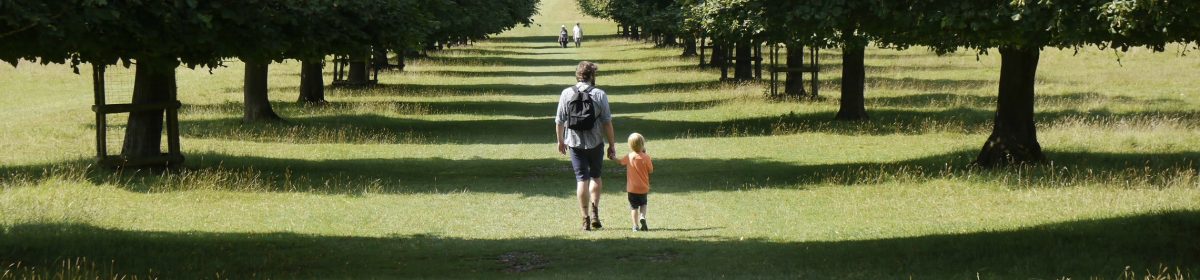
The weather in Cornwall has been pretty terrible since we’ve been here, but we’ve managed to get out for a walk on most days. So far it’s always culminated in rain, and most of the time it’s been blown in by storm winds. Last night it was so strong I could make out the somewhat orchestral sounds of the timpani as waves crashed into the cliffs and the shingle harbour below us, then there was what Matthew Arnold called “the melancholy soft withdrawing roar” of the waves retreating from the shingle beach; clattering and sharp, more brassy than soft last night, like a chorus of a thousand stonechats – and then the woodwinds battering and flickering around the windows searching for gaps to whistle in. There are times when we miss being in the campervan, but not last night. Yesterday morning we tried to walk across to the Caerthillian valley to do a botanical reconnaissance in preparation for another visit in spring, but we were beaten by the cold wind and retreated to the pub for fish and chips. Then I spent the rest of the day researching how so many rare plants manage to survive the soil round here, with high levels of magnesium (poisonous to most plants) low levels of nitrogen, and low levels of calcium. It turns out that the magic trick is to grow in conjunction with invisible underground fungal networks which have almost magical powers to search out water and convert the dodgy soil into food for the plants while blocking the baddies in return for a share of the plants’ photosynthesized sugars. It was an afternoon well spent I think, leaving me excited that at the very core of nature lies millennia of cooperation. The rarities simply couldn’t exist without each other.
Naturally the Lizard, beautiful though it is, is not the center of the universe and elsewhere, politicians are busily trying to reverse that process of mutuality and convert our once rich culture into serpentine dust. You should treat that last sentence as a metaphor. The current news is as depressing and disturbing as it could possibly be. I’m very used to seeing the degradation of Cornwall through neglect, but that attitude which was so apparent in the past where it was said that at the bottom of any hole you could find a Cornishman, but it was rarely mentioned that at the top there was almost always an Englishman stuffing the money into his pockets. Now the contagion is spreading through the whole country as decades of neglect through profiteering are too obvious to be covered up by corporate or government doublespeak. There’s an ugly mood afoot and it’s growing so quickly that even a quiet stroll down a quiet seaside lane is compromised and diminished by fearful thoughts of the coming storm.
A little list
Montbretia (Crocosmia), Winter Heliotrope, Hart’s Tongue fern, Tree Mallow, Pellitory of the wall, Common Gorse, Foxglove, Sea Beet, Nettle, Black Spleenwort, Alexanders, Sea Radish, Purple Dewplant, Sea Carrot, Hottentot Fig, Bramble, English Stonecrop (17 species)
When we say that the Lizard is one of the most biodiverse places in the country, that little (and very incomplete) list is only the beginning. I’ve seen many of them in the centre of Bath, and the seaside specialists pop up along the whole of the west coast. But this was just a brisk fifteen minute walk in the rain alongside a lovely Cornish hedge. If we had time and a great deal of patience we could find over 900 in just this small area. You can rightly feel as if you’re touching a great beauty here.
How to flourish and live beautiful lives in a hostile world should concern us more than it often does. As nature struggles from extractive farming, chemical desolation , carbon dioxide, global heating and polluted rivers we’re neither winners or beneficiaries of all that bogus productivity. We’re the victims. We need to demand more than lowlife chicanery from our politicians, the so-called tech titans and the client media who feed us poisonous lies. Across the green from us there’s a man who’s probably got severe mental health issues and regularly bellows “The earth is burning“, sometimes for an hour at a time. He’s not wrong.
Choices, choices. Should I illustrate the beginning of a new era with a sunrise, or the end of an old one with a sunset? And what should the photograph express? Should it be triumphal? a resolution achieved; or should it be a lamentation for the passing of the moment? In the end I opted for a misty sunrise over the river in spate, with the architectural vacuity of the Crest Nicholson development, the Dredge Bridge and a solitary seagull – because every adventure has to begin where you are. In any case I’m only meeting a personal target. Nothing will change and I’ll stagger over the finishing line wondering what all the fuss was about. The stars and planets will not align in any special manner; no flowers will bloom as I walk to the shops. It will be a perfectly ordinary winter day; grey, drizzly and cold enough to wear my favourite Shackleton jumper – scratchy, warm and smelling of the Welsh mountain sheep who gifted their woolly coats for my benefit. This blog, and my life will continue in much the same way as a celebration of the ordinary because ordinary becomes the capitalised “Ordinary” when you see through the distractions.
And what of it? ten years of trying to make sense of a stolen world that’s lost the will to live. Ten years of being governed by the clueless and the sociopathic, the narcissistic, the spineless and their goons – kept in power by the infinitely malleable consciences of Pavlov’s voters who’d kill their mothers for a Greggs sausage roll. I think I’ve explained that enough. I’m off to a quieter place where I can breathe.
Keeping a journal is one thing. Publishing it day by day is another altogether because there’s so little happening. No juicy confessions of sins committed or even intended because my life is straightforwardly dull. Got up; looked at my watch; made tea; ate five biscuits which I dunked; got up again and made coffee; counted out the day’s medications; emptied the dishwasher; went back to bed and read an interesting book on fungi. There’s nothing there to attract the attention because the real interest is always in the interaction between the mundane and the mind. Who was that rough sleeper outside Sainsbury’s? How did he get there? what were the crucial choices in his life that led him to the pavement and a life of begging? How did those two shoplifters teach themselves their routine of violent quarreling to escape investigation by the two police who stopped them and then backed away? Does this charity shop smell of old clothes? Is the man in that couple over there being attentive or controlling? Why is my plate cold?
The romance of life is always there but sometimes you have to look for it. The unusual plant growing in a crack in the pavement isn’t going to shout out to you; you just have to be interested enough to look. The otter swimming in the river, the little shoal of Dace glittering in the shallows, the Fumitory on the allotment that – aside from being an invasive pest – is just different enough to warrant further investigation.
When our first child was just old enough we would walk up Granby Hill in Clifton which still had its cobbled gutters and it could take an eternity because he was so fascinated by the discarded litter trapped in the cracks between the setts. Cigarette buts, silver foil, broken glass, bits of shiny metal and twigs all seemed to bewitch him. He would slowly walk on, head down, savouring each and every object as if it were a treasure waiting to be discovered. I was always happy when he was engaged in this way. It’s a fundamental human act to weave stories, myths and legends around the ordinary and everyday.
I’ve been around a long time, and worked in many places that were rich with stories. I suppose that’s where I learned how to value them. People, it turned out, rarely wear their experiences on their sleeves, but with a bit of prompting and some patience, the most unpromising lives can suddenly blaze, flame out like a reignited log on a fire. The Severn Pilot who would walk the banks of the river on his days off in order to memorise the shifting of the safe passages who was walking one day in thick fog when a small tanker heading for Sharpness came slowly past and a voice called out “Is that you, Peter?” The cider maker known by everyone as “Doughnut” whose name was bestowed on his first day at primary school when he wore a white shirt with a red band around it and whose drinking had put him into a hostel and who grew a lovely garden there and told me some of the unexpected tricks of his trade. The nickname persisted as long as the community that attached it. Another old man who told me how they hid barrels of cider from the Customs and Excise under the hedges to avoid exceeding their permitted limit. The oldest man I’d ever buried; 103 years old who moved in with his son who was in his 70’s when he was 90 and told him that the garden was a disgrace and then dug it from end to end. The electrical engineer who had saved a fellow worker’s life with his first aid training and told me it was one of the most powerful experiences of his life. You could easily pass any one of them on the street and not notice them, but give them some time and you’ll discover for yourself the power of the Ordinary.
I’ve never forgotten a visit to an old man to arrange his wife’s funeral. Back in the day he’d been an old Redcliffe boy and played rugby for the Old Reds. He was in a wheelchair with both legs amputated. As we chatted he asked if I’d like to see a photograph of his wife. Of course I said yes – I’m always a sucker for a photograph – and he pulled out a photo that had been taken on his honeymoon which only amounted to a single night in a Weymouth hotel. They were both standing on the promenade, he in his casuals; white open necked shirt and pressed trousers that, true to the fashions of the day, looked loose and baggy but you could see he was something of a catch. She – standing next to him – was just so stunningly beautiful I’ve never forgotten her. A faded and rather crumpled black and white photo came to me in a blaze of light and I learned something about the fragility of life and the way that love blesses everything it comes into contact with.
So yes, the Ordinary is anything but ordinary and – as the saying goes – for a hero the harbour is the place you set out from, although it’s good to get back to it when the sea’s rough and the wind is blowing a gale. I’ve had ten years of retirement and ten years of typing away at this blog and it’s been the most tremendous fun; learning entirely new skills, taking up field botany and doing some serious photography. I’m still struggling to get my head around an intellectually satisfying account of how the concepts green and spirituality could be linked into some way of fending off our collective descent into a hell of our own making and I fully intend to keep going with this blog and my love affair with the Ordinary as long as I can. Madame and I are very happy living in our virtual pub, even if outsiders might see it as a small flat in a concrete building. I knew this moment would be lacking in drama but there we are. I’ve just completed one million and thirteen words about the Potwell Inn.
While Madame was pruning she was joined by a pair of robins
Yesterday we finished all the pruning except for a couple of dangerously barbed gooseberries which demand thicker gloves than we had with us. It’s the tenth anniversary year of the first allotment – the one where Madame is standing, on the day we were offered it; 14th April 2016. I think she’s looking a bit dubious. It seemed as if it had a long history of abandonment – each successive tenant adding a new player of plastic sheet, carpet, children’s’ toys and even a bicycle dumped in the wooden compost bin behind her. There was a random and unidentifiable tree and some raspberry canes but other than that it was Couch grass, Cocksfoot and Bindweed all the way.
We decided that the only way to get on top of it was to beast it and so, where we could get at the surface layers of plastic we pulled them out. The carpet was harder – not that it deterred the weeds – and so we strimmed the whole plot, burnt it off with several passes of our big flame gun and then double dug it. None of these, of course, were the kind of methods we were hoping to use, but kindness and no- dig organic treatments don’t bother the kind of weed infestation we were dealing with. Neither, by the way, does glyphosate which (apart from being carcinogenic), barely gives the weeds a headache. The raspberries were old and clapped out and so after a couple of seasons we replaced them. The exact spot where Madame was standing is where we now have the fruit garden in the top photo whose blackcurrants we pruned yesterday. The soil wasn’t bad at all, but inclined to ball up in wet weather – it’s alluvial clay loam – and since we moved on to the plot we’ve added what must be tons of compost and manure. The battle with the weeds never ends, of course, because the more we feed the soil the more they like it. We try to keep on top of the weeds in the fruit garden by feeding, mulching with fleece which we get from our friends smallholding in the Bannau Brycheiniog and then covering the whole lot with wood chip. The fleece disappears in a year, shared with nesting birds who especially like it for lining nests, and the wood chip also rots down surprisingly fast. This creates a loose covering mulch of about six inches above the mineral soil layer from which we can pull out the bindweed by hand. It’s terribly invasive but it’s also lazy enough to take the easy route. True to our original plan the whole plot has been organic and largely no-dig for the last ten years.
The second plot came to us a year later and that one was a world of pain from the outset. Apart from the previous tenant who was evicted for not maintaining it and made regular nocturnal visits to steal and vandalize by way of revenge; there were no less than three layers of nylon carpet in successive strata. You can see from the photo just how useless carpet is as a long term weed control method. The weeds simply grow through it, consolidating its rot-proof woven base with roots. If you look closely at couch grass roots, you’ll notice that they end in a spear which can pass through the smallest holes – including those in a thick weed control mat. We used the same strim / firestorm plus double digging technique and in time it yielded to our determination. The two plots are next door to one another and together amount to about the same area as an old-school “ten rod” allotment plot of about 250 square metres – enough to feed a family of four.
Allotments are the perfect antidote to the next-day delivery culture which saturates our online culture. The very fastest of crops take six weeks from sowing in perfect conditions; an asparagus bed takes at least three years and an orchard ten years except for Damsons which can take up to fifteen to reach full productivity. In the past ten years our plots have reached some kind of maturity. They look and feel like grown-up plots now they’ve adjusted to the way we use them. There’s always a choice to be made between artificially rushing crops and letting them take their time. In the end I suspect it’s as good for us – developing our patience and resilience – as it is for the crops which need time to give their fullest flavours.
Jam tomorrow promises are traditionally used by politicians as a smokescreen for the fact that they’ve neither the means or the will to fulfill them. The phrase was first used by Lewis Carroll in Alice through the Looking Glass. Pie in the sky might be a similar kind of promise. But jam tomorrow really means something in the Potwell Inn allotment, because the work that we did yesterday will bear fruit and hopefully some blackcurrant jam in the late summer. Pruning encourages a bigger crop by opening out the bush to light and air and by removing the old, non-fruiting stems, to keep the size of the bush under control. On Friday I discovered a cache of blackcurrant jam in a cardboard box which – had it been outside in a shower of rain – would definitely have had a rainbow leading to it.
We bought this book in the 1960’s and have used it ever since.
We’ve got ten trees on our plot – apples, pears, plums, and damsons; plus blackcurrants, redcurrants, whitecurrants, tayberries, blackberries and strawberries. All of them need various different types of pruning and in the case of the strawberries, of propagation. Of course they’ll grow, however neglected they are but they won’t thrive. Since they all bear fruit in a short summer season we spent almost equal amounts of time bottling, pickling, freezing, jamming, drying and making cordials. You might wonder if it isn’t all a massive waste of time when Sainsbury’s are a five minute walk away – and unless you grow your own you’ll never know just how wonderfully rich the taste of freshly picked vegetables can be. We’re not wealthy but we live like kings!
If you knew how many times a Cox apple needed to be sprayed in a season to make it supermarket perfect, you’d probably never eat another, unless you picked it yourself from an organic orchard. We don’t grow them because of their need for sprays. But we can grow lovely apples that are bred for disease resistance, just as we grow tomatoes and potatoes that are bred for blight resistance.
The food industry has a stranglehold on almost all western politics and the introduction of novel ingredients to the food we eat may be reflected in the growth of diseases that reflect it. But it’s not new. My friend Howard – a Brooklyn New Yorker, remembers his childhood when bottled milk smelt of formaldehyde. Food adulteration at a criminal level has always been present; flour being particularly vulnerable to additions like ground chalk . Wherever there’s a profit to be made, there will be an unprincipled supplier who’s willing to exploit it. If you want to eat safely, growing an allotment or a garden is one simple way of ensuring that at least some of your diet is unadulterated. Sometimes the boldness is astounding.
I’ve been reading a marvellous book on fungi by Brian Spooner and Peter Roberts in the Collins New Naturalist Library series. It’s an absolutely comprehensive introduction to all things fungal, from athletes’ foot to fly agarics and includes an eye opening section on “food,folklore and traditional use” which reads:
Cudbear was a commercial enterprise started in 1758 in Edinburgh by one George Gordon, who originally called his new dye ‘cuthbert’ after his mother’s maiden name. The manufactory moved to Glasgow where up to 250 tons of Ochrolechia tartarea [a lichen found in Scotland] were processed annually, originally collected from the Highlands and islands, but later imported from Scandinavia, the Canary Islands, and Malta. The ammonia used in processing the dye was distilled from Glaswegian urine, of which no less than 2000-3000 gallons were required each day. The Glasgow manufactory closed in 1852, much to the dismay of Lindsay (1856) who hoped that a ‘revival and extension of this traffic would probably prove a great boon to that remnant of the Celtic race, which is fast disappearing from our shores’. Cudbear continued to be manufactured in small quantities in England up to the 1950s, most of it exported to the USA for use as a purple food colouring and for dyeing leather.
I think that when it comes to importing chlorinated chicken from the US, we’ll have got our revenge in first. “Another slice of Scottish purple iced piss cake, Bishop?”
Nature, as we understand it as gardeners, is far from natural but our massive intervention – even as organic gardeners – can be constructive or, as in the case of intensive farming, extremely damaging to the environment, and here I have a bit of a disagreement with some environmentalists about the way in which we present the dangers. I’m an amateur field botanist; that’s to say I go out with Madame on long walks – looking for plants and recording them. Occasionally we find something quite rare and that’s both rewarding and exciting. On one occasion we even found one of them growing on the allotment. It’s a tragedy when even one plant goes extinct, but it’s only a true tragedy for the handful of people who even know what it is. As CP Scott, nephew of the first editor of the Manchester Guardian would say to his journalists of a dud story – “it cracks no pots in Warrington” Interestingly – possibly only to me – he was born in Bath. If we want to convince people of the price we’ll pay for climate breakdown, we’re going to have to crack a few more pots – and not just in Warrington. The so-called green revolution offered to feed the poorer nations by selling them tractors, agrochemicals and (now patented) seeds – and it caused far more harm than good. Our own cheap food revolution is wreaking havoc with public health. Starvation, migration, flooding, extreme weather, the rise in diabetes and cancers – these are all pot cracking issues in Warrington whereas the extinction of a small population of plants halfway up a mountain is a symptom and not the core of the issue. The earth is showing symptoms of sickness and one of those symptoms is species extinction. What we have to do is to move the scientific symptom into the political debate and our government is showing no signs of moving beyond hand wringing to the kind of changes we need to achieve. The honest answer to people who worry about the cost of environmental change is that it’s going to be painful and expensive and we’re going to have to give up some things we’ve grown to depend on. But the alternative of continuing in the way we’ve been going is catastrophic. This critical debate, one way or another, is going to crack a lot of pots in Warrington and across the western world. The majority of us have little or no experience of growing our own food but we have everything to gain by learning.
There are two questions here that I’m trying to answer. The first is the title of this post, and the second is an attempt at explaining why I call myself Severnsider – and I’ll tackle that one first.
I think these photos were taken some time around 2007, although I’d known the place for years prior to that. If you live nearby, or know the river Severn on the Gloucestershire side you’ll probably know where they were taken on the Gloucestershire riverside and along the Sharpness canal at Frampton on Severn. The Severn is, as you can see, a very wide river but dangerous for larger ships to navigate above Sharpness due to the ferocious tides, winds and sandbanks. There was also a problem in sailing around a sharp bend in Arlingham which is a good place to watch the Severn bore but a very bad place for a sailing ship. The canal, opened in 1827, could carry ships up to 600 tons and was once the largest and deepest (18 feet) canal in the world . It was a safe, non-tidal shortcut to Gloucester docks. Over the decades we’ve fished in the canal, walked its towpath and paddled up it in our kayak. There are many places I love and visit but in a strange way, the river Severn has my soul. One of my parishes bordered the bank and it’s always been a place of solace on difficult days – lonely, quite remote in places with huge skies and a tide so fierce you can hear it above the mournful cries of wintering curlew.
As the tide from the Bristol channel meets the river there’s the meeting of two distinct modes of being – each with its own smell; earthy, mountainous river and salt tide. Twice a day, the inbreathing and outbreathing flows change places and command the landscape. Springs and neaps cover and reveal the mudflats
The Severn has wonderful sunsets, and on special evenings you can hear migrating geese and swans flying noisily towards the tidal marshes at Slimbridge. It’s a sound so haunting that it will freeze your blood. On one occasion I was walking on the bank at Shepperdine when a hare raced up the field to my right, leaped over a broken wooden fence and crossed, feet in front of me in mid-air. I don’t know which of us was more surprised. It was there, at high tide in the middle of the river and just inside our parish, that I scattered the ashes of a Severn pilot, a man with a lifetime of experience of the twists and turns and shifting sandbanks of the river who would take charge of ships travelling upstream . One of the crew opened a steel door in the side of the Balmoral and to the accompaniment of long blasts on the steam whistle, we poured his ashes into the water just as the tide turned and the river stood still. The trippers on the deck above us had no idea what was happening below them. The two waterways, canal and river, run side by side; the contained and dredged canal -an industrial relic of a past age and its wild and untamable neighbour. A watery Cain and Abel in perpetual conflict like the two sides of a human soul.
Inevitably, as a parish priest, I became a kind of story keeper; privy to many secrets and at ease with the history of the landscape and the people who lived in it because – in a very important sense – they were one. I may well have seen the last ever trailer load of salmon putchers being taken down to the river. The village baker’s wife and her husband had roots in both sides of the river, and would often talk about elver fishing and elver omelette where the freshly caught baby eels were tipped alive into the egg mixture in the pan. He remembered delivering bread by horse and cart. The orchards along the river were protected from frosts by the thermal mass of the water and thousands of gallons of cider were once made on local farms to slake the thirst of the labourers. I got to know one or two of the surviving cider makers pretty well. I once asked one of them why he liked cider so much and he answered “because it gets I pissed!”. The local funeral director was another hefted man who began life as a builder and joiner and made coffins according to the custom of the day; graduating to funeral directing as a natural progression. The gravedigger would always discreetly press a jelly baby or some other sweet into my hand as we processed to the graveside. It was a surviving custom from when everyone was rewarded in cash after a funeral. We referred to one another as gentlemen and bowed as if we were born to it.
I was the story keeper because I took many of the village funerals, weddings and baptisms. I have never felt able to write about those years in any detail because so much of what I knew was told to me in confidence, but I learned the skill of discreet storytelling over three decades, slipping in a coded morsel known only to the closest friends when I could. Most of the old ways and those who followed them are gone now and the suburban villages empty of commuters and refill again in the evenings. The salmon have all-but disappeared and the churches are shrinking and falling into disuse.
Oh yes; the Severn is a very special place and having lived next to it for 25 years it’s the reason I use the name Severnsider. Although these days we live in Bath, the campervan is stored near the banks of the Severn, and the river Avon on whose bank we now live, is a tributary to the mother river which it joins at Avonmouth.
Anyway enough history, because I want to move on to the more interesting question of storytelling with pictures, and the impact of computer technology enabling us to do things we could not have contemplated thirty years ago when I stood on the riverbank, looking at the long row of apparently abandoned barges, hauled up and left to rot. I know, of course that there was a story shouting to come out of the landscape. The melancholic look of rusting hulks and concrete tow barges sinking inexorably into the estuary mud suggested a catastrophic collapse in the market of some commodity. That was a wrong assumption as it turned out because they were deliberately scuttled there in an attempt to protect the river bank from erosion. The pictures haunted me.
I knew I had the raw materials of a new way of understanding landscape but there seemed to be no way of making it work. I wanted to find a way of telling stories with pictures and text but which you could enter at any point, and so read in any order – which is much closer to the way we actually apprehend landscape in real life. Then I discovered HTML but not being very computer literate, the learning curve defeated me. It was the arrival of journaling software and later blogging software that finally opened the door for me. I could utilise the thousands of photographs I’d taken over the years and write accompanying text that could illuminate any topic I was writing about. The photos weren’t eye catching snapshots but little visual haiku, working with the text to say what couldn’t easily be said in words. They became little essays, often exploring a single idea with no attempt for them to be amalgamated into a theory of everything. By now there are over a thousand of them, rapidly approaching a million words in a form that can be searched by date, by topic, by keyword or even just with a single search term.
All this because a single photograph can conjure up a whole habitat or environment; a whole history of the people who live and work in it and occasionally amount to a funeral sermon for something or someone lost forever. This photograph, for instance, taken on Thursday at Big Pit above Blaenavon suggests to me something that’s not telling the whole story; that needs unpacking. The bright red paint and hand lettering suggest that this truck does not, any longer, contain explosives at all. It’s there for effect, as part of an experience – which is what it is, of course. Possibly a film set.
But this one, taken moments later, is telling a more subtle story; of abandonment and dereliction. Present and past are expressed in the course of a few words on a screen. Now we know that something infinitely less fun is going on. There are two steam engines there, each of them deserving restoration but lacking the funds to do it. In a supreme irony, the high quality steam coal which was mined here and which is needed by every steam restoration project in the UK can no longer be mined because of the environmental damage caused by burning coal. We were told that the last two shipments of steam coal came by boat from Chile and Australia. So coal will still be burned but also thousands of tons of oil burned added to the total environmental cost. A third photograph has an entirely more melancholy feel because behind the abandoned winch gear, and in the distance, lies a town that feels as abandoned as the headworks of the pit. With the end of coal mining, thousands of jobs were lost and never replaced with skilled work. Coal was King and now unemployment drains the eviscerated community below. The museum is a marvellous and pointed reminder of yet another lost community.
Oh how miserable this is sounding! Let’s turn to nature. Many of the thousands of photographs I’ve taken are of plants, fungi and even insects. They’re the other part of landscape – the micro features that make it what it is. You’ll know if you’ve read this blog for any length of time, that I’m pretty passionate about the waifs and strays of the plant world which find a place to settle in precisely the abandoned post industrial sites, marginal environments and polluted earth that – like the human communities that once lived and worked in them – have fallen silent as the dreams of the industrial revolution; of easy lives and plentiful housing and food for all come to dust. Things are unravelling and we all know it, in spite of the performative idiocy of politicians who think that having your photo taken with a hi-viz jacket, hard hat and sleeves rolled up is a substitute for having any idea or plan for the future.
Is it even possible to love a despoiled landscape and yet hate what caused it? I think I’m able to address that paradox in a way that might offer a way forward. Firstly the earth doesn’t need us nearly as much as we need the earth, and so in recording what’s there needn’t be a source of anger is much as an encouragement and inspiration to do better. To do better for human communities, to do better for the plants and insects and animals share the earth with us. On our walk in the Bannau Brycheiniog on Thursday we were looking at some slime moulds – a subject which I know almost nothing about. But I did a quick search in Merlin Sheldrake’s book “Entangled Life” and discovered that the humble slime mould can help to make a map to escape from an Ikea store with no more encouragement than a few bright lights and some oatmeal. We dismiss the strange intelligence of nature at our peril. We shall need to review, and experiment and rethink the way we do things around here – I mean our whole culture – in a way that no-one in living memory has had to do because the crisis is here. Even our short journey across the Severn was delayed by 24 hours by an unprecedented storm. Our memories of the past need not fall into the trap of sentimentality and nostalgia. We can be grown-up enough to see that the communities built up by mining had costs as well as benefits and we need not return to the whole package of riches extracted and suffering exacted. What nature demonstrates is the persistence that comes from environmental stability, and so to finish here’s a photograph taken on our friends’ smallholding of a small patch of ancient woodland which has been protected by the steepness of the field in which it stands.
Today we were supposed to be in the Bannau Brycheiniog (Brecon Beacons in old money), but sadly the weather had other ideas. Storm Bram managed to virtually shut down the road and rail links between England and Wales. The Prince of Wales bridge was reduced to one lane each way because the lamp posts were discovered to be liable to collapse on to the carriageway, and the M48 bridge was just closed, along with some of the railway services. There were two hour traffic jams in both directions so, having packed ready to go we unpacked again, hoping we can set out early tomorrow. I hesitate to bang on about climate change, but really our long neglected infrastructure is in such a bad way that even normal weather, let alone the extremes we now expect are enough to shut us down.
So rather than a report from Wales, here are some videos from the allotment, taken on the trailcam. The opener is, of course, the rat. Rats are everywhere, they carry diseases and love to live in poorly made compost bins. Given a choice of anything to eat on an allotment they invariably seem to prefer our crops, and we’ve watched a rat clinging to a swaying sweetcorn cob and chewing away at our lunch. Badgers also like sweetcorn in the same way that bears like honey, but badgers have other virtues and it’s relatively easy to keep them away from the maize. But rats seem to have few virtues and although tidiness is an overrated virtue on allotments it’s certainly the case that we need to pick up fallen fruit and any other rubbish that would attract them. Sadly, a poorly made compost heap – especially if kitchen waste and cooked food are added to it – and if access is easy (and rats are great at digging tunnels) they’re going to move in and breed as rats like to do. Of the night time videos from the trailcam, rats outnumber all the other animals we see.
We also entertain a couple of cats who, we assume patrol at night in search of prey like small mammals. It would be a brave cat, though, that would tackle some of the clonking great rats we’ve filmed. Foxes and badgers are in a different league. Firstly they are (foxes) fast and (badgers) powerful and they both eat rats. Judging by the size of one of our badgers, they eat a lot of rats!
We like to do our bit to control the rat population and we use heavy duty spring traps baited with peanut butter. The traps are in strong boxes and although they’re not attracting many visitors the badgers just love peanuts and so they will worry the boxes to try to get at the bait, and shake them until you hear them spring. We don’t use poison because there’s always a danger of secondary poisoning to other carrion eaters. Mostly the badgers eat slugs and worms but they’re such lovely creatures we let them take friends and foes – (just not sweetcorn). As I look through dozens of videos I also notice that the rats make themselves scarce whenever there’s a fox or a badger in the vicinity so they also have a deterrent effect.
Foxes too eat rats, and if they mark their territory – which we can easily smell for ourselves – this acts as a deterrent as well. We’ve seen foxes with mange in the past but fortunately our local ones seem fine and healthy. Here’s a magnificent shot of a dog fox prowling one of the rat runs. Isn’t he beautiful? especially right at the end of the video when he pokes his head out behind the tayberry.
So there’s always a lot going on at night on the allotment – in fact it’s quite busy. Yes, of course, we get visited by two legged rats as well and like many of our neighbouring allotmenteers we get things stolen, but as long as we take home any power tools and fix double locks on the shed, greenhouse and polytunnel, then we’re mostly troubled by casual vandalism which is upsetting and annoying but – like collapsing bridges and floods – has its history and causes and won’t be ended by sloganising politicians. Don’t build prisons, build youth clubs! We’d love to teach some apprentice allotmenteers the basics!
Other than that we’re almost ready for winter. Yesterday we mixed a couple of barrow loads of topsoil and compost, filled some leftover feed buckets and planted strawberry runners to give us an early polytunnel crop. I love strawberries and they’re expensive in the shops, so it’s a joy to grow them for ourselves. Growing at least some of our own food gives us so much pleasure, but it’s good to bear in mind that good gardening involves a four way conversation between the crop, the soil, the weather and the pests. There’s no room for a control freak on the allotment. We have to accept – as an astrologer once told me of the stars – that these four dispose but can’t compel. The biggest and best lessons in gardening are as likely to come from failure as from success. I love the fact that the night watch is busy while we rest. Sometimes we turn up in the morning to find the wood chip paths turned over, sometimes obviously by badgers with their strong claws but often by thrushes and blackbirds who delight in eating pests so that we don’t have to persecute them.
Our greatest regret is that we have never – in ten years – seen a hedgehog. They really should be there and I’m afraid that badgers are a major predator, so perhaps that’s just an unwanted outcome of the eternal balancing act of nature. But now the weather will improve and the bridges will open and early tomorrow we’ll drive up to the Bannau to meet our friends for a shared birthday and maybe find some new plants or fungi to photograph. The season is nearly over now but there’s always something to capture our interest. And finally – badger versus rat trap – keep looking on the left hand side of the frame and listen out for the trap springing. The trap didn’t get the badger (as if!) and the badger didn’t get the peanut butter. Nil nil draw, then.
South Riverside development – not what the PR goons want you to see.
Bath, of course, thrives by stoking a whole cruise liner full of hype. This year it’s Jane Austen but the Georgian builders also get roped in to set the scene (please don’t mention the slave trade) and otherwise we have to make do with the Romans who turned a boggy hot spring into a R&R destination for grubby and probably smelly legionnaires who needed a soak after marching around subduing the natives. We do not talk about the brothels on London Road, the extra marital uses of the Sidney Gardens or, indeed the drinking dens and brothels of Kingsmead. We don’t talk about Bath’s industrial past; the pong of the dyeworks, the pioneering engineering, the digging of the Kennet and Avon canal which – when joined to the Somerset coal canal – provided an easy route for transporting coal from the North Somerset to what William Cobbett called the great wen (London). We don’t talk about the pollution of the river which was probably as bad then as it is today, or the Great Western railway which most of us can’t afford to travel on. We don’t talk about the Somerset and Dorset line (known as the S&D i.e. slow and dirty) or the twin tunnels which were so small in girth that engine drivers and firemen expected to pass out regularly in the carbon monoxide and smoke, praying that they didn’t do it at the same time.
Perhaps I’m being unfair. If you drive into any major European city; in France for example, it’s almost obligatory to pass a few cement works. Drive north from Barcelona and you’ll see an industrial landscape comparable with the finest of Middlesbrough or Wolverhampton – and they don’t brag about it either. But personally I’m glad that I can still walk along the riverside and the canal and find hundreds of interesting plants without the danger (apart from some cyclists) of meeting anyone wearing a voluminous dress and bonnet or a soldier sporting a skirt, hobnailed sandals and shaved legs. Bath is divided by the river into two utterly different psychogeographical regions. North of the river is the posh, Georgian architectural bit where the visitors come, and to the south where the industry used to be, we have student accommodation and the uncontrolled growth of hideously expensive retirement properties which are a very profitable way of extracting value from pension savings – and for anyone contemplating buying one I’d advise that finding a GP, an NHS dentist or an appointment with the NHS Hospital may be the quickest way to lose the rest of your savings. Private care is booming here.
But a quiet, early morning stroll along the riverside path reminds me that nature always manages to make an appearance regardless of the noise and dust of building sites and traffic. I’m a creature of habit and so my walks tend to concentrate on a few areas. If I was trying to impress I suppose I could call the walks transects – which is a natural history word for repeating a walk along a particular route and recording everything I see. When this is done over a period of years, it yields invaluable scientific information about climate change and its effect on wildlife. I can begin to see which unusual plants are the chancers with no chance of setting up home. I could see (but haven’t yet) both otters and beavers in the river and we have filmed mice, rats, deer, badgers, foxes squirrels and cats on our allotment; and I can also see newcomers settling down having found a new niche for themselves. Slow walking could be a thing just as slow cooking has, because everything becomes richer and more engaging as I learn more about the area. The wildlife of an area has a certain “thusness” and directness about it that the muddy pond of mediated experience – (can you see the word media barely hiding in there?) – just can’t match. Mediated Bath is like the worst of takeaway food – it always leaves you malnourished and hungry – but wild Bath is always at hand; in the pavement cracks, in basement walls, in unkempt verges and building sites and instead of scuttling along my walks like a rat, I can walk slowly and savour every moment as a kind of epiphany. So build on – you rubbish architects, greedy developers and landlords. You and your buildings as ephemeral as a hatching mosquito and less deserving of our deference.
As you may have noticed, I’ve been reading a lot about fungi, and it seems to me that if we’re taking the latest science at all seriously, we have to accept that a serious amount of mutuality goes on in nature. Plants and fungi almost universally exchange nutrients to their mutual benefit. Lichens have evolved an even closer togetherness by uniting bacteria and/or algae into an apparently singular life form. Plants rely on insects and larger animals for pollination and seed distribution; swapping pollen for nectar and taking seeds away in paws and fur and droppings. Even apex predators normally tend only to kill and eat when they’re hungry. In fact Nature seems to prefer a situation where every life form gets something out of the arrangement: all of nature except we humans who think we’ve got the right to take it all without regard to the needs of any other creature.
I have a correction – or perhaps an addition to my piece yesterday which mentioned a black apple which I was told was French in origin and called L’Abri. The apple tree on the allotment site matched the description of an American apple called Arkansas Black very closely especially in its perfumed flavour of apple and custard; but today in a bit of further exploration on the National Fruit Collection website – which is brilliant – I came up with a Belgian apple called Abi Noir which looks almost identical to the American is much cheaper – £14 as opposed to a greedy £350 for the bare root tree.
This morning we worked in frost and sunshine on the allotment and it was lovely to be outside in the winter weather. Our son phoned to ask about presents at Christmas and said he’d be happy to buy us a portable moth trap if we’d like it. Well yes we would, rather!! trying not to sound too excited. There’s more wildlife around in city centres than you’d ever imagine. Below are a few photos of bits of the wild that caught my eye as I walked back from the garage, all within sight and sound of the building site across the river. They are, clockwise, an abandoned bird’s nest, the riverside path, the last bloom on a dog rose and the river bathed in mist. If you look carefully at the nest it includes bits of wool, bindweed, insulation mat, grass and twigs. You see, nature is even better than we are at recycling. The nest, by the way, was right next door to the recycling depot.
Honey fungus mycelium on a tree stump. It’s called a rhizomorph because of its shape – like a rhizome.
Sometimes it seems – although I don’t believe a word of it really – sometimes the stars get themselves into a truly malignant alignment and the boils, frogs, flies and rain just keep coming without remission. This last year, what with the campervan constantly breaking down, the extreme weather and an onslaught of health problems has been an all-round shitter! Add to that the election of a malignant government whose big idea is to preserve everything that was wrong about the past 50 years and crush the best in order just to stay in power and ….. ? well, you decide.
I’ve written before about the challenge of accepting good news amidst a sea of effluent but this last few of weeks, having got rid of the polyps in my bowel which were causing iron deficiency anaemia; last week I finally got an appointment to fit my new hearing aids after waiting 8 months, and another appointment to sign off on the laser peripheral iridotomy so I can get some new glasses. Oh joy! and to cap it all I feel better – which is a non scientific way of saying that it’s marvellous to be able to wheelbarrow full loads of wood chip down to the allotment without having to keep stopping to catch my breath. I can see the end of the tunnel although it’s just a small disc of light at the moment. The campervan is fixed, we have a list of adventures planned for 2026, the allotment is all but ready for next season and –
– having met my targets for plant species and records, I’ve now turned to processing my fungus photos – and this is going to be an altogether harder task because until a couple of years ago I had no idea what, apart from field mushrooms and fly agarics, what most of them are called. Yes it’s true; I am a proper propellerhead. Anyway I thought I’d start with this image because the fungi – OK toadstools – we see are only a very small part of the actual fungus. Most of it comprises minute underground threads, collectively called mycelium, that can extend for many feet and occasionally miles around the part we see in the autumn. As instanced by the Honey fungus at the top of this piece, Honey fungus species actually weave their minute thread-like hyphae into ropes and so we can glimpse the underground world on a tree stump.
Getting ready for this festival of bafflement I’ve done what I always do and read a lot of books that are way beyond my understanding, in the hope that some of the research sticks . I won’t bore you with a list except to say that for the last year I’ve been gradually searching for second hand copies of the most important ones. I can never afford to buy new academic books – they’re ridiculously expensive and only for well-heeled university libraries. There’s also loads of good stuff available online; especially on the British Mycological Society Facebook page.
What I’ve learned has given me an entirely new perspective on the benefits of fungi not only to our ecosystem but to our health and wellbeing as well. These days we’re very familiar with the importance of pollinator plants at the beginning of the life process. We’re not so thoughtful about what happens at the end. At its simplest, without fungi we couldn’t survive because whatever lives also dies, at which point the fungi move in and reduce the senescent remains to their original constituents. Without fungi the earth would be covered with a layer of dead material of unfathomable depth. Sometimes, as any farmer or gardener could tell you, the fungi move in too soon and finish their lunch and our crops before we’ve been able to harvest them. The problem with drenching the field or the garden with fungicide is that without the silent work of fungi there would be no soil in which to grow the next crop because the overwhelming majority of plants and trees have what’s called mycorrhizal relationships with fungi; a constructive and complementary relationship in which the fungi supply essential nutrients to the plant in return for some of the photosynthesised sugars which its leaves produce. There is some evidence – because mycelial relationships are so important to the health and therefore the eventual crop; that fungicides can weaken the plant and make it even more vulnerable to fungal pathogens. The invisible work of fungi is immeasurably more important to us than merely filling a forager’s basket. Of course there are many more gifts from the fungi than I’m going to write about here but I want to concentrate next on the meaning of those beneficial relationships.
Porcelain fungus on beech tree
Let’s begin with Robin Wall Kimmerer whose books – as she describes them – focus on how “The factual, objective view of science can be enriched by the ancient knowledge of the indigenous people”. When we talk about ancient knowledge whether we’re embracing plants or religious, spiritual issues, it’s almost impossible to say anything without using metaphorical language. I’d argue that myth is the way that we try to tell some species of truth about mysteries. When Kimmerer writes about “mother trees” she’s using a metaphor to describe a positive relationship. “Mother trees” don’t breast feed their saplings or worry when they get home late from a night out. But it may be that there is a mycelial fungal connection between trees that allows the older trees with more resources to share those resources to nearby younger trees. What the metaphor achieves is to communicate in simple terms an important concept awaiting scientific verification. A wood or a forest is an unimaginably complex network of invisible connections which can sustain mortal damage if it’s damaged by thoughtless management. It’s a way of looking at trees which takes a broad, almost spiritual view of their meaning to us.
But just as I was about to write, I caught sight of a recent piece in the Guardian referencing fungi purely as a kind of industrial and scientific feedstock. It’s an interesting article about some possibilities of extending the use of fungi to produce building materials, packaging and even for biodegradable nappies (diapers). The science of using fungi to clean up industrial pollution is well advanced, so this is hardly big news. But what caught my attention was the way in which the article perfectly captures the contrast between two ways of looking at nature in general and fungi in particular. Kimmerer’s almost spiritual account, inflected by First Nation tradition and wisdom versus the highly instrumental scientific and rationalistic way of looking at nature as a free resource and a means of making money.
The question, or perhaps the takeaway from the two perspectives is that if we accept that climate catastrophe; species extinction; mass migration; global instability; pandemic and the degradation of the environment are all the result of our almost universally instrumental view of nature; wouldn’t it be better, rather than to join in the ugly scientific pile-on dismissing the ideas of Kimmerer and many others to allow that without a reset of our perspectives towards nature there can only be one result – and that’s the destruction of the earth.
If you’re up to speed with the latin names you won’t need me to tell you what they are. I’m using the common English names because they’re the place most of us start our journey as well as expressing the poetry of nature.
Actually (so far) one of these plants – the one at the top left – hasn’t yet joined the ranks of the disappearing but it’s still early days in the crisis of species extinction that’s barrelling down on us. So on the left, top to bottom there are the Small Scabious, The Sheeps-bit, often called Scabious as well, and the Devil’s Bit; ditto. The one on the right is a Common Restharrow – which was the initial impetus to write this post. I’m writing about these plants, and the reason I think you should be interested too is that seeing them is like looking at the prelude to a slow motion car crash.
I wonder if there was a smidgeon of irony in choosing bonfire night to launch the latest Red List – or to give its full name “A new vascular plant red list for Great Britain”. I can hardly imagine the great British public queueing around the block to get a copy before the ink dries, and it is very technical (but over the years I’ve already put in the hard miles); however it’s a duplicitous ten quid’s worth of ebook masquerading as a scientific survey when it’s really a requiem for a disappearing earth. Every paragraph is damp with tears – it’s the saddest list of names you’ll ever find in a book about plants.
Here’s a Google Gemini summary of the findings:
Increased Threat Level: The proportion of species assessed as threatened (Critically Endangered, Endangered, or Vulnerable) has increased 26% (434 species) are now classified as threatened, up from 20% in the previous 2005 list. A further 140 species are listed as Near Threatened, suggesting their conservation status is of concern.Widespread Declines: Many plants that were once common and widespread in the countryside have continued to decline and are now assessed as threatened.
So let’s start with the larger picture at the top of the page, in a way that’s also a defense of English plant names. The name Common Restharrow at least paints a picture. Having driven a little grey Massey Ferguson 35 and towed a chain harrow to aerate and tear out the thatch of dead grass whilst flattening molehills I get the joke. If I’d been doing the same job a century ago and leading a horse-drawn harrow I might have called the plant “rest horse”, because this little plant in a typically tangled mass can stop a harrow in its tracks. I’m thinking of the rain soaked agricultural labourers in Peter Brooks’ film of Ronald Blythe’s book “Akenfield”. Ononis repens defines the plant’s place on the spreadsheet down to ten decimal points, but fails to tell the story. Of course, unlike my Fergie, a giant turbo charged tractor would pass over without noticing – but it wouldn’t need to notice any more because Restharrow is disappearing altogether. It’s been moved up the parade of shame from “least concern” to “vulnerable” under the onslaught of intensive farming. I can still take you to see it, but it’s mostly on the coastal headlands in west Wales and Cornwall at the field edges, beyond the reach of sprays and ploughs.
And that’s where the sadness comes. The loss isn’t just technical – an entry on a spreadsheet – but a loss of memory, of relatedness, of history; it’s personal. Sun, wind and rain; strolling and rolling together with Madame; hours, days and weeks of searching followed by the moment of joy in finding. These are not the simple pleasures of an ice-cream at the end of the day’s plant hunting; they’re the joys of complete focus and engagement; of falling in love. This is a big deal.
In a recent posting I was writing about human grief in a very allusive way (which I hinted at in the title), and in parallel, I can’t stop wondering whether the loss of meaning when we lose someone close to us isn’t just damaging when what’s lost is a part of the physical world in which all our memories are embedded. In Stoke Row on, the edge of the Chilterns, my grandparents had a smallholding. More even than remembering what they looked like I can’t escape from associating them with the Beech trees that surrounded their cottage; from the sight and smell of the paraffin stoves on which granny cooked, and of the rich oily smell of chicken meal. I remember that the first squirrel I saw was a red squirrel, and I remember the line of trees at the back which my Mum would examine and proclaim that there was rain over Granny Perrin’s nest. My Mum’s favourite flower, she would say, was Lady’s Slipper – but which – of about ten alternatives did she mean? The orchid is now extinct so that leaves nine. When she died my sister and I were trying to decide where we could bury her ashes and we did a bit of research to see if we could return her to her childhood home. It was a powerful blow to discover that the Crest smallholding is now covered with an industrial estate. In fact it was even more of a bereavement to discover that I would never see the tarmac road dressed with flint pea-gravel again, nor gather primroses nor help to gather prickly and itchy hay to be stacked in stooks and ricks.
So let’s go back to the three Scabious, only one of which (top right) is really a Scabious. The other two, united by their similar appearance and vibrant pale blue-violet colour, kept me bewildered for several years although, once you know how, they’re worlds apart. I was always dazzled by the name Devil’s-bit. Such a plant must be special, I thought – like Viper’s Bugloss and Deadly Nightshade; it’s the names that draw me in like a moth to a flame. But Devil’s Bit and Sheep’s-bit never seem to grow side by side so the moment of revelation is more likely to happen in front of a decent macro-photograph or, in my case looking at the illustrations in Collins Wild Flower Guide and seeing – actually noticing – for the first time that the stamens on Devil’s-bit are like little mallets and on the sheep’s-bit they’re tiny little trumpets. Oh floods of joy! except what I recall more than anything else is where they grow, and they grow there because they are perfectly suited to their homes; to the weather and climate, to the soil, and to the grazing or cutting regime under which they can thrive. Change any one of those things and they’ll likely dwindle and disappear – not waving you might say – but drowning. One blisteringly hot day in the midst of a drought we shall go back and they won’t be there any more.
Maybe the flowering plants are nature’s way of smiling at us. I used the metaphor of the disappearing Cheshire cat’s smile at the top. Perhaps it’s the canary in the mine; whatever – it’s nature sending us a message that when the flowers go they take the joy with them.
Thrift growing on a clifftop in St David’s Pembrokeshire
Bath is a city divided by the river. Walking west to east along the towpath between Windsor Bridge and Churchill Bridge you follow the northern half of the city which bears the postcode BA1. BA1 is posher than BA2 because it’s got most of the expensive and Georgian parts. Then, at Churchill Bridge – (I’m sensing a bit of a pattern here because you will already have passed beneath Victoria Bridge) – it all takes a bit of a dive on the northern side as you pass the bus station, the railway station and the Southgate shopping Mall and then Royal Mail sorting office before you approach the end of Pulteney bridge where (if you dare) you can pop into the public loos over Waitrose and change back into your Jane Austen inspired Emma costume or pretend you’re Knightly according to taste and preference.
In many cities they demolish the old and build the new on top but in Bath, given that the tourist money has come from the old, for several centuries, they built the heavy industry and the ugly/smelly bits across the river out of sight. The Destructor bridge linked the upper Bristol Road to a giant incinerator which was next door to the gasworks and just along from Stothert and Pitts where they specialized in heavy engineering; cranes; bridges and transport across the British Empire. As industry died, plans were hatched by friends of the developers to “improve” the city by demolishing older buildings in favour of concrete tower blocks. You can read about this in the excellent and angry book “The Sack of Bath” by Adam Fergusson. We bumped into his daughter once in a pub in Hay on Wye and immediately recognised one another as kindred spirits.
Sorghum? where the hell did that come from?
It just so happens that we live near the towpath – just far enough away to avoid the smell of sewage as long as you hurry past a couple of the outflows in the summer. The towpath is my plant hunting ground; the place which never fails to reward me with something new; often a squatter or a vagabond. I reckon I could easily account for 50 species in my records, probably more. On Friday I went for a walk along the path to clear my head. On the opposite bank they’re clearing the old gasworks site in order to build hundreds of new flats – the river view would increase the value of an old air-raid shelter into six figures. The noise was horrendous, with drilling, piling and lorries everywhere. The spirit of the old destructor bridge lives on with a twenty first century sound-track. On my side of the river I passed the recycling centre which is joined by the relatively new version of the destructor bridge which clung to its name but lived up to its reputation when they discovered it was a bit too long or maybe too short when they came to lift it into place and retreated bloody but unbowed for months as the designers licked their pencils and tried to find someone to blame. Fortunately it wasn’t called the Prince Andrew bridge because that would have taken nominative determinism to the level of farce.
But I was there clearing my head because the previous week we had attended the funeral of a young friend, just 40 years old from bowel cancer and I needed to find that kind of safety in numbers that lets me escape into a spreadsheet for a couple of hours. Walking past the destructor bridge and the recycling centre seemed to be hauntingly significant as I recorded and photographed the ordinary, everyday plants that most of us ignore as if they were strangers in the street. Ivy leaved toadflax, cocksfoot grass, alkanet, broad leaved dock, ribwort plantain, blackberry, ivy, herb robert, false oat grass, buddleia, marsh figwort, common ragwort; red valerian, groundsel, bilbao fleabane, gallant soldier, pellitory of the wall, mugwort, tansy, several kinds of dog rose and annual mercury. I fear I’m writing a book of remembrance for the weeds I pass in the street as the climate catastrophe intensifies.
We tend carelessly to describe grief as a kind of temporary and solvable disturbance of the mind. Time, we say, is the great healer. But it’s not, I want to scream. Bereavement. and the grief that explodes in us when it happens, more closely resembles a stroke. It destroys memory, reshapes the world in unfamiliar ways so we can’t recognise the places we once knew. The loss of a limb just as the loss of someone we love, can’t be mitigated by positive thinking and we don’t get over it – ever.
And I feel as if I’m suspended between the grim spirituality of destruction and the optimistic recycling of fading memories. The river becomes the Styx in this uninvited metaphor. The noise, the roar and pollution of the bulldozers and lorries on one bank and on the other the recycling centre where we take the things we no longer want – to be reprocessed into something else. On the one bank letting go completely and on the other, clinging to the hope that something may be retrieved while we rather desperately make records and take photographs, out of which – one day – it might be possible to build a spirituality of hope in a world where God – like Elvis seems to have left the building.
Dandelion – obviously! but more complicated than you might think.
Everybody knows what a dandelion looks like, I imagine, but there’s no shame in not knowing that there are around 250 species of dandelion in the UK and – if you’ve got time and a good psychotherapist you could learn to tell them all apart. The beloved blackberry is a similar case but even more complicated, with around 330 species. They’ve evolved an interesting method of reproduction -known by the academics as apomixis which roughly translates as having sex with yourself; don’t knock it if you haven’t tried it – or as Woody Allen said – if you’re going to have sex you might as well have it with someone you love.
Anyway, and moving on rapidly, the dandelion is a handy reference point for what you might call the “walk on by” plant which draws together two threads of the WOB phenomenon. The dandelion in the photo, for instance, has been there along with its definitely not cousins for all of the ten years we’ve lived here. Until today I’ve never photographed or recorded it because it’s too common and therefore not worth the bother. However fate has confined us to short walks near home for most of the summer and the local rogues and vagabonds of the pavements and towpath have been the only available source of botanical interest; which disposes me more kindly to the dandelion. I’m sorry for my casual disregard in the past but now I just have to walk on by not because they’re common and vulgar but because I haven’t got the time or the confidence to sort them out; although I did shell out for the standard handbook which has been sitting unopened on the shelf like a bishop’s bible for months.
After months of tests and investigations we’re near the end of the tunnel (you’ll see why that’s a highly inappropriate joke in just a moment), and all I’m waiting for is to have a 35mm polyp removed from my colon so I can stop being anaemic and feeling knackered. I’m relying on the expertise of the multitude of consultants, nurses, interns and doctors who’ve peered up my rear end, when they tell me that this thing – about half as big again and the same shape as a champagne cork- isn’t malignant. Like birdwatchers they know the jizz of a nasty one when they see it. I have great confidence in them.
But spending every moment checking the phone for the next appointment doesn’t just cost you time, it drains the creative springs and makes life a bit grey and dull. We’ve cancelled several campervan trips so we could both be available for appointments at the drop of a hat and so necessarily I’ve been focusing on the local weeds. It’s bad enough trying to take macro photos out in the wilds; passers-by tend to stop and ask if you’re OK. Do the same thing on a pavement or on the towpath and they’re likely to call the police. But don’t for a moment suppose that all you’ll ever find outside your city centre front door is dog poo and beer cans. I’ve been amazed at how many relative rarities make even a temporary home for themselves in the mean streets of Bath, and recording the ordinaries balances the books against the statistical over-representation of exotica in the field guides. If we’re going to keep tabs on the unfolding runaway climate disaster we’ll need to record the sparrows, silverfish and brambles of the earth.
Here’s another one I’ve never recorded except in some remote and rather glamorous wild place. There was member of the same family, the Sea-spleenwort for which I persuaded Madame to walk miles in freezing wind and sheeting rain in January to find it on the sea-cliffs where it belonged, only to have it shown to me on the basement wall of the Guildhall in Bath. Sadly it seems to have gone now and I thought its near relative, the wall-rue, which has always grown unrecorded by me on the wall below our flat might have died from drought this summer. But this morning I dodged the rain to photograph the dandelion and came back with Hemp-agrimony; wall-rue and field-speedwell – all within ten yards of the front door. I shall have to make a list of plants that grow with 100 yards of the flat and I’ll guarantee it will exceed fifty species.
There’s a bit of a knack to naming plants from their leaves alone and today AI threw me completely off track with the speedwell which it identified as ground-ivy. A most enjoyable trip to the books settled the matter in favour of the speedwell but the two plants are alarmingly similar until you see the flowers. The purple flowers scattered near the speedwell had me scratching my head until I remembered there’s an Argentinian Vervain in full flower growing in a pot next to it. You see, even boring plants turn out to be better than the Times crossword for getting your brain in gear.
Back in August 2024 I set myself the target of organising my utterly random collection of photographs, and identifying the names and locations of all of them with a supporting photo. It took me a whole year to get them on to a spreadsheet and now there are 898 records sitting there waiting to land on several unfortunate referee’s desks. My species total is up to 472, just 28 short of the 500 target. I also set myself the target of completing 1000,000 words on this blog and so far I’m up to 951,500 which leaves me around 49 more posts to write. As my old friend Joan Williams used to say – God willing and a fair wind I’ll get there. But I’m not a trainspotter by temperament and so if it takes until next february it won’t keep me awake at night.
Aren’t statistics a slippery thing to deal with? I read yesterday that this polyp that I’m entertaining at the moment increases my risk of colon cancer by something like 75%. Reading that statement carefully suggests that my real risk depends upon what percentage of any polyps of any size are malignant. The answer to that is 5-7%. So my real risk is more like 75% 0f 10% ie 7.5%. It’s possibly less significant than crossing the A4 on a zebra crossing with a Range Rover approaching.