The vandalizing of the allotment at Christmas knocked the stuffing out of us. Aside from the feelings of vulnerability which are inevitable, I suppose, the replacement toughened glass for the greenhouse has been difficult to source and the whole area inside and out needs clearing of broken shards. The polytunnel – less than a year old – is now patched with tape. In fact we were so knocked off course I mooted the idea of giving up the allotment and working as volunteers in a community garden – it’s fair to say that one didn’t go well with Madame. We discussed whether to step back and grow more perennials and fruit, which need far less attention, so we could spend more time away in the campervan. That was one of the underlying reasons for trial renting the cottage in Cornwall; selling the van would pay for a lot of holidays.
On the other hand, the campervan brings us the freedom to travel as and when we feel like it, without booking months ahead; and it’s bought and paid for – although storage, maintenance, tax and insurance can mount up unpredictably. A van is a very costly bit of kit – especially when it’s sitting outside in the rain rotting away gently at roughly the same speed as we’re getting older. Two years of lockdown had given us plenty of time to reflect on what the van gives us, and it’s clear that it’s become essential to us. When we’re away we sleep better, walk and explore more. I treasure the time and space to turn on my botanical eyes so that plants I’ve never seen before suddenly become visible. We find time to talk and reflect and – if I’m honest – carouse and drink wine and abandon the ghastly effort of acting our age. You can’t do this when your children (and grandchildren) are around because it makes them cringe!
The net result of the holiday was a kind of mixture because we decided that we would keep the van and try to take much more time away in it, as well as carrying on with the allotment and on meeting up with friends we’ve not seen for two years. Last week we lashed out on 4 new tyres and windscreen wiper blades – they hadn’t been replaced in over a decade, and a new (yet to be installed) WiFi aerial and router to get over the constant lack of signal when we’re out in the wilds. In any case the old satellite dish is so enormous we look like a TV outside broadcast van in spite of the fact that – large as it is – it can’t see past a tree with leaves on.
I think any allotmenteer will recognise that feeling when the plot isn’t going well and you almost dread the thought of going to it. As a seasonal (winter) melancholic I often have to force myself to get off my backside and do some work. On the other hand any allotmenteer will recognise that once the work is in progress there’s a tremendous sense of wellbeing: why ever did I make such a fuss? you ask.
Truth to tell, though, I think it was the greenhouse bringing me back to life
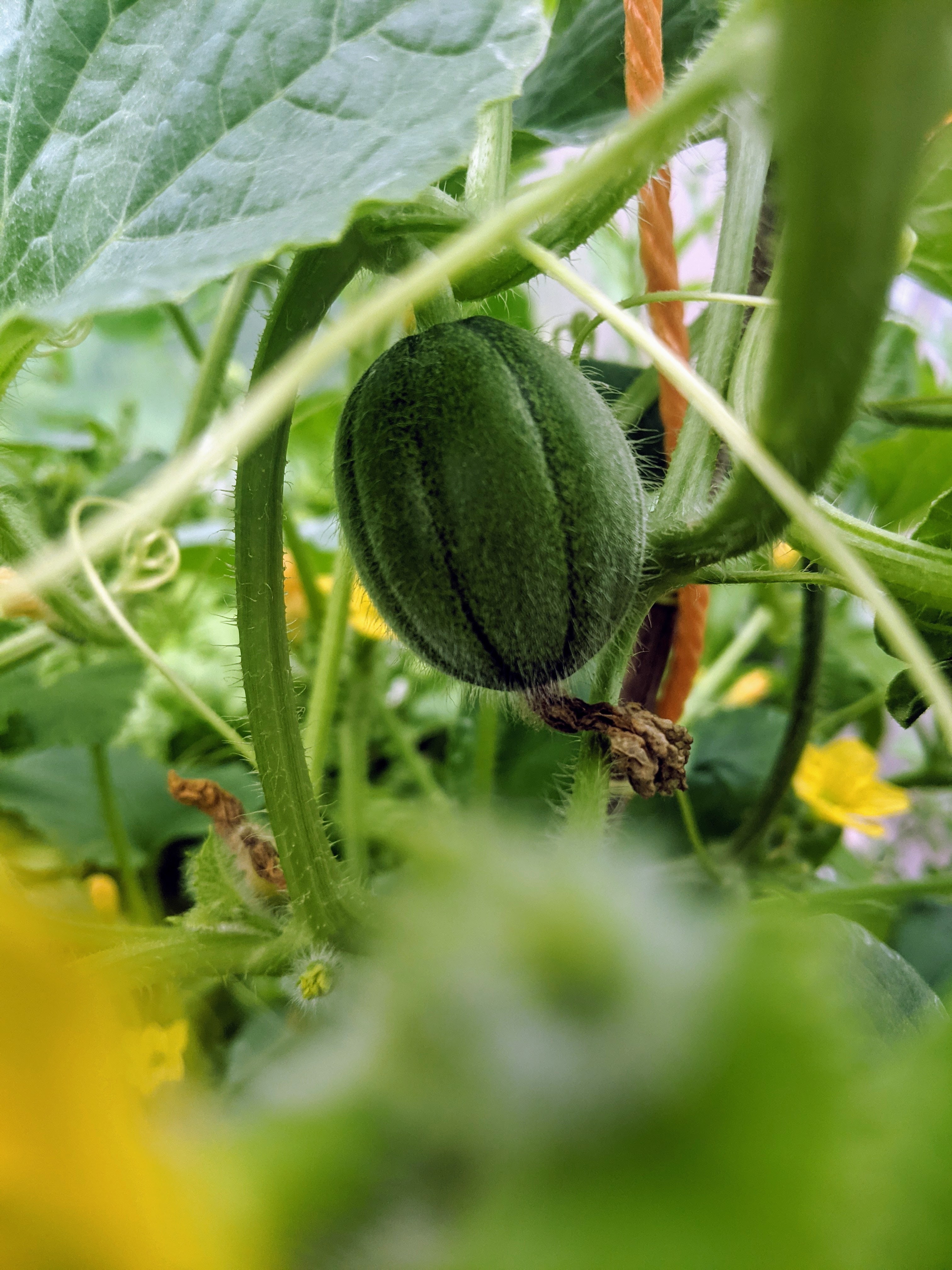
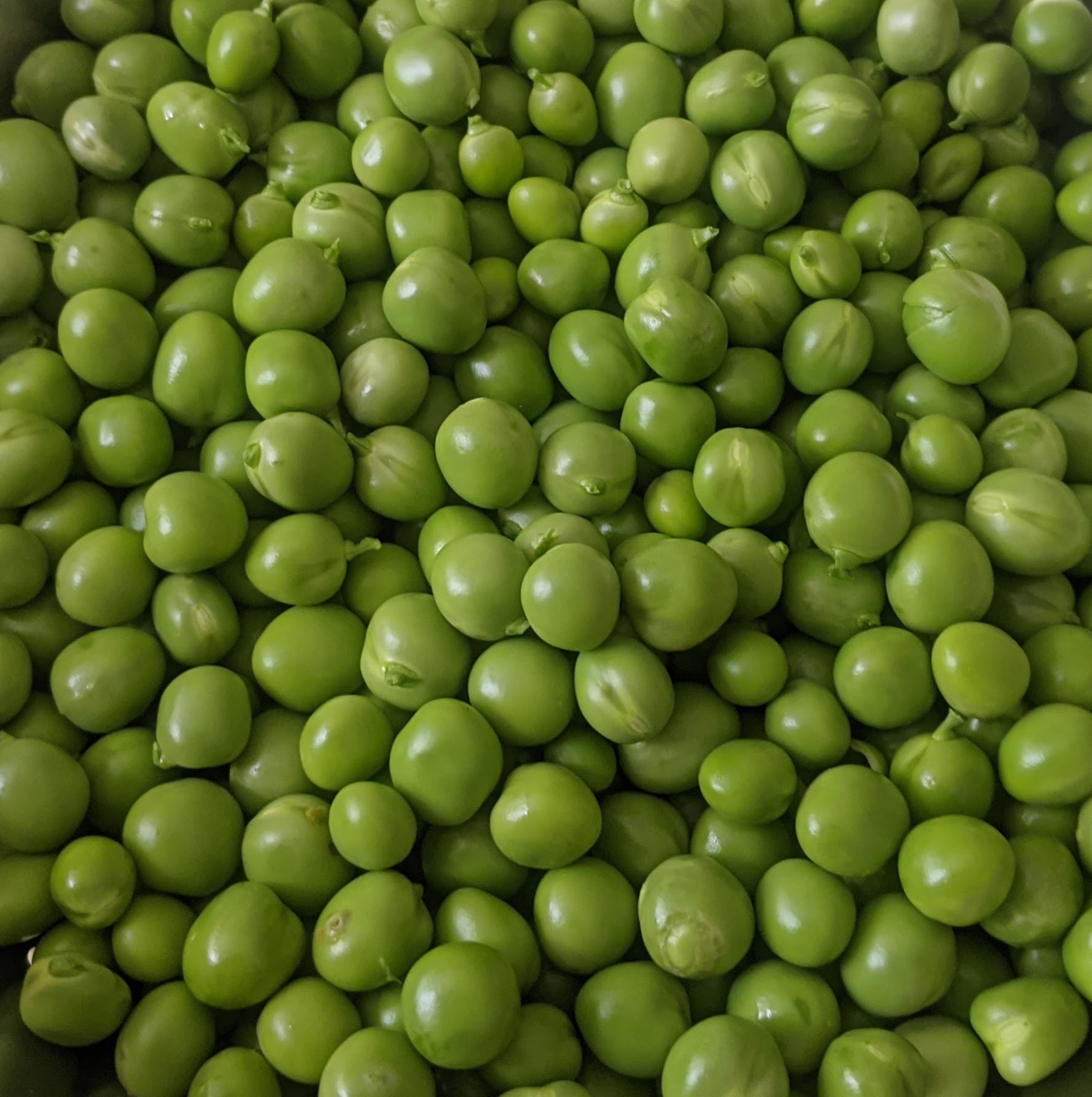
Yesterday the sun shone and we went to the plot where I cleaned up the mess in the greenhouse while Madame weeded and tended the polytunnel. Safety glass shatters into a million fragments and so kneeling in a confined space with so many sharp edges around needed extra care; however after a couple of hours the greenhouse was clean, safe, and relatively tidy and I was surrounded by reminders of past seasons like root trainers – empty and stacked neatly in their containers. Is there a psychological term for that warmth that spread through me as I worked there? Previous notions to replace the glass with polycarbonate sheets seemed to fade and I began to think – ‘let’s replace and restore it properly, otherwise the vandals win. It’s depressing seeing the greenhouse, shrink wrapped in weed control mat, bits of black polythene and duct tape, so let’s bring it fully back to life.’ Truth to tell, though, I think it was the greenhouse bringing me back to life. As we worked there in our usual contemplative silence it was obvious that the allotment was as essential to us as the campervan. Madame had a long conversation with a fellow allotmenteer whose home built polytunnel had also been slashed and he told her that watering for us while we were away in the summer was an especial pleasure because the perfume of the ripening melons, basil and tomatoes filled the tunnel. As soon as we got home I turned to the photos on the laptop and I knew that there’s no way we we can thrive without growing food. Without the allotment we shrink; our souls starve.
We’re growing old, so there’s not so much time left we can afford to waste any of it. We’ve been inseparable since we met when Madame was fifteen and the prospect of our eventual infirmity and even separation hangs over us. The earth, our earth, becomes more precious as we share in her processes and dimly understand her grace and complexity, and although this might sound counterintuitive to a much younger person, it gives us comfort. We can’t win the environmental battle without a revolution fired by collective action. So long as we’re governed by wilfully stupid, squalid, and greedy governments none of the actions we know we need to carry out, will happen. Lying awake at night in a fury because they have just licenced the use of poisonous neonicotinoids to protect sugar beet – and who needs reminding that excess sugar consumption is killing and maiming millions of people? – well, it’s a waste of emotional energy.
So long as we have our wits, and enough physical energy to do it we’ll grow food and travel whenever we can so that we can record and enjoy the natural world in all its ludicrous generosity; write about it, photograph it and draw it. What’s happening to the earth demands witnesses because without witnesses there will be no time of reckoning. So no – we won’t be going anywhere quietly, thanks!
I took these strikingly post-industrial photographs on the beach at Porthoustock on the Lizard Peninsula last week. The beach there is completely dominated by the huge brutalist silo – now disused – that was a part of the St Keverne quarry. The quarry still operates in a small way as you can see from the top left picture of a working excavator, and by the look of the pile of crushed stone, seems to be excavating roadstone. The local granite is apparently coarse grained and often used in sea walls and such like much of it going to South Wales.
While we were there we fell into conversation with a threesome of divers – all retired – who were looking for a suitable clubhouse in the area. The talk ran down familiar tracks; litter, dogshit, tourism, housing crisis and so forth. They mistakenly identified the silo as having to do with tin mining but I think it would have contained thousands of tons of crushed stone waiting to be loaded into the kind of small ships that could pull alongside at high tide. The ports, visible from rust stains at the side, would have discharged stone straight into the boats.
There was a turn when we discussed whether the small quarrying operation was actually removing the whole headland – it is, apparently, in the face of some local opposition – and this conversational thread led to the chronic unemployment in the area, and whether lithium mines would be a boon or an environmental menace. The key moment came when one of them said – “of course we’re all retired and so we don’t have to worry about jobs. Our instincts would be to insist that nothing changes here – it’s why we moved here in the first place.”
I don’t think for a moment that they were being as selfish as that statement implies. What I think was being expressed is the ongoing paradox of living in a wildlife paradise, surrounded by beautiful views when the local people are living in demonstrable poverty caused by inflated house prices and high unemployment mitigated only by seasonal and poorly paid work.
I did a lot of work running writers groups in the Welsh Valleys during and after the miners’ strike. You could taste the anger and depression being caused by the deliberate destruction of their culture. Now, of course, we’re trying to end coal mining altogether – and nobody worth listening to is contesting the significance of climate change; but the move to sustainable, renewable energy could have been, and now must be managed through huge investment in the retraining of local people to take on skilled, well paid jobs in a greener future.
Halfway marker on Porthallow beach
On the beach there, we saw the paradox that must be faced. Simply knocking down all traces of an old and proud culture and filling the empty space with second holiday homes and caravan parks would contribute nothing to the problem. There amidst the ruins, we saw a buzzard feeding on the remains of a dead fish. The place is alive with wildlife, and of course these post industrial sites are often nature’s hotspots. I know I’ve got a bit of a thing about this kind of landscape. It comes from growing up in an exactly similar area in Gloucestershire, where one or two of our neighbours were retired coal miners, and a couple of the pits were still in operation. We had pipeworks, brickworks and – looking much further back – names relating to the woolen industry. I spent days with my friend Eddie, tracing the old dram road that brought coal from Coalpit Heath to the river Avon. I was delighted to discover that Cornwall and Gloucestershire once shared what’s known in linguistics as a soft mutation – tram roads were always spoken of as dram roads. I felt very much at home on that beach! A handful of fishing boats and the small quarry were a sign that the culture is clinging on. Further up the coast towards Falmouth we watched a large fishing boat seine netting in the bay from Porthallow beach.
I took the pictures below in 2009, in the remains of one of the abandoned tin mines on the north coast. The technicolour stains on the cliff are a permanent reminder of the poisonous effluents that accompanied tin and copper mining. The furnaces in which the ores were extracted must have been terrifying; a real-life vision of what may yet turn out to be the end of the world. A group of volunteers have restored the old steam powered beam engine – it was an awesome sight. Naturally – or, in fact, unnaturally – we could erase the buildings and make the area ‘profitable’ by building second homes or industrial estates; but to wander through those derelict acres of ruined land – which are by now being reclaimed by wildlife and specialist plants of real importance – is the best way of telling the story of the industrial revolution in a way that lays bare the downside – the greedy and extractive ruination of a whole county by unfettered capitalism. Beneath the surface of the impoverished soil, even the fungi and bacteria are doing the work of remediating the damage that our ancestors caused.
Is there any way forward so long as Cornwall is mismanaged from London by politicians and civil servants who have no connection or knowledge of its history and culture? Bring on regional government, I say, and for goodness sake don’t even think about creating a regional structure that attempts to join Cornwall with Devon. Bishop Trelawny would rise from his grave! Cornwall is as much a country as Wales.
They say that fine words butter no parsnips so I thought that – amidst the philosophising -it would be good to show that even while we’re away the allotment goes on producing. If ever there was a defense of no-dig gardening it would look something like this. With a bit of frost on it from last week, this parsnip will be sweet and delicious – as will the leeks and the other winter veg which just get on with it. In the polytunnel we’re cutting radishes and fresh lettuce; parsley and coriander too. Winter veg are so much less fussy than summer ones. This week will see the propagators in action again as we prepare for the spring. The just in time principle which emerged along with lean thinking in Japanese car plants of all places, is especially suited to allotment planning because we need the plants at (as nearly) the right moment as we can manage; climate change permitting. So we haven’t overwintered broad beans this year because for the last two years severe east winds in March have decimated them. What we don’t want is a load of stressed out plants being kept in pots long after they were ready for transplant. So the annual gamble begins tomorrow, having received all the seed orders and planned (almost) where everything is going to go.
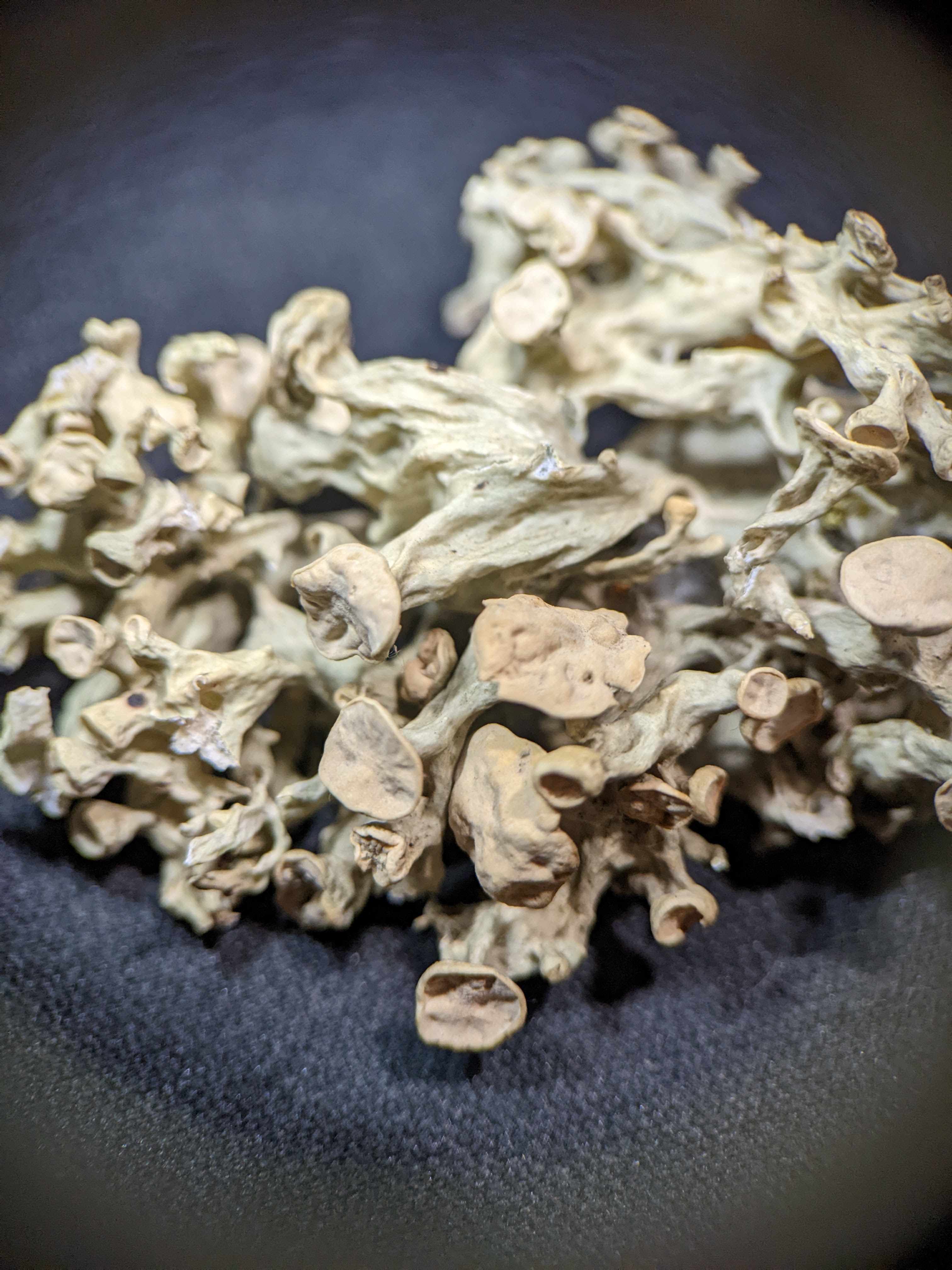
But allotments and more in-depth study are only a part of this year’s plan because I’m determined also to get out and do some serious botanising after a two year enforced layoff. I also want to do some serious work on the insects that visit us around the house and on the plot and so I’ve just shelled out on a macro lens adaptor for my Pixel 5 camera. Although I’ve got a very fine Leica macro lens it takes an eternity to set up shots and you almost always need a tripod and flash units. This 25g treasure arrived yesterday and I had a brief chance to play around with it. Some initial photos of random things on my desk are below. I also took a photo early yesterday of one of our orchids in flower. It’s entirely by natural light – there’s an abundance that floods in through the south facing windows in the flat, and as I walked into the room the sheer beauty of it grabbed me and so I just took the picture. It’s not edited or altered in any way.
And here are a few of the test shots with the macro lens. I can’t wait to get out there!
I like these tin tabernacles! They’re often so cold in winter that your breath freezes as it leaves your mouth – I know this from personal experience because I spent twenty eight years as a parish priest; twenty five of them looking after an ever growing number of country parishes; one of them so cold in January that we moved out of the church and into the parish hall every winter. The parish hall had all the facilities and charm of an abandoned nissen hut. This particular church in Cadgwith which can only be reached by a footpath, is part of a group of six that cover the whole eastern side of the Lizard peninsula and is presently looked after by one retired priest, one non-stipendiary priest, four licenced lay ministers and four churchwardens. That’s a stupendous workload for a conscientious team .
Losing your faith is as easy as mislaying your car keys. All it takes is a couple of conversations with a bishop whose concentration span makes a goldfish look clever, coupled with the gathering sense that the institution as a whole has not the faintest idea what it is supposed to be about. Finding some sort, any sort of working faith again is bit like finishing a jigsaw when three quarters of the pieces are missing, and an unknown number of the rest come from a different box. I’m now in the position of being thought to be heretical by most, if not all of the world’s major religions, and it’s a position I rather treasure! My standby and safe place is the saying – “the Tao that can be spoken is not the Tao.”
The rupture, though, is more procedural and more cerebral than profound. It was the organisation with its systematic theology and certainties and managerial ethos, along with the idea that there was nothing left to be understood or preached. That was what did for me. During our time in Cornwall we went into the little church of St Winwaloe, on the edge of the sea at Gunwalloe; just a short walk along the coast path from Mullion, and I suddenly experienced a tremendous sense of loss. There at the back was a small leafless branch in a pot to which visitors had attached labels with messages and prayers, tied on with string. One of them read something like this – “God, if you exist, please help my niece …..” I found it unbearably touching. There was no address; this was a lost god who would, if they existed, know where to go.
But although I miss being held by the liturgy, and I miss those ecstatic and awe-filled moments when I had to step away from the words and music and hope that the service would – somehow – carry on without me; I know the god that can be described; pinned down like a butterfly or ordered to change the way of things to suit the self-righteous with calloused knees and hard hearts – is not god. The god that can be gendered into fragments or canalised into a private spiritual fountain for the use of the signed up faithful is not god. The god that can be reduced to a collection of historical facts out of which every trace of life-giving myth has been centrifuged and purged is not god either; and yet a life without music; art; literature; dance; time wasting carnival; shared meals; festivals of all kinds and the sense of community will hardly be able even to approach what cannot be spoken.
Rainbow at the entrance to Cadgwith Cove – seen from the kitchen door
Rather impulsively, perhaps, as soon as new year was over we decided to rent a cottage on the Lizard in Cornwall for some R & R after a very challenging few months. It’s significant that over the last 50 odd years we’ve always gone as far west as we could manage, whether it’s down in Cornwall, or in West Wales and more recently on the Lleyn peninsula. So we arrived on the 10th January after deliberately taking the motorway free route which is slower but much more more scenic, crossing, the Blackdown Hills – even if it does amount to around 200 miles. Interestingly we swapped the hills for the motorway on the way home and used 30% more petrol! We were staying in a National Trust converted cattle byre which was a perfect fit for us – perched, as it is, on top of a cliff with the South West Coast Path virtually running through the garden. I won’t bore you by rambling on about the magical landscape; you’ll just have to take it from me that even in the dead of winter but with the benefit of six consecutive days of full sunshine this is a very special place indeed.
For a start it’s around three or four weeks ahead of Bath for signs of the beginning of spring. The Alexanders are forging ahead; we’ve seen primroses, Red Campions, jonquils and today even a solitary hogweed beginning to flower. Down at the beach I found a thriving community of Butchers Broom – (Ruscus aculeatus) which I’ve never seen before. While we were wandering along we saw a group of people, noses to the beach, hunting for tiny pieces of amethyst which apparently washes out of the mineral rich rock. Eschewing semi precious stones, Madame concentrated on finding beautifully marked dog cockle shells. In a month or so this place will be a botanist’s paradise with Spring Squill and all sorts of rare flowering plants. This week we’ve watched common seals in the sea, and a kestrel hovering, hunting over the cliff path today.
Clockwise from the top left, Lesser Celandine, Bladder Campion, Thrift, Butchers Broom, Alexanders, Red Campion and Gorse – known locally as Furze.
But this is also a post industrial landscape. Further up the coast beyond Lands End are the remains of many tin mines. North of Lizard there are huge quartz pyramids left by the China clay works. Here on the Lizard there were two principal industries, fishing and the quarrying and finishing of Serpentine rock. In fact down at Poltesco the two industries coexisted on the beach side by side. The serpentine works, now ruined but still visible was situated alongside a vigorous stream that fed an overshot wheel via an overhead aquaduct and powered huge toothless circular saws that utilised sand and water to cut the slabs of rock. Next door to it is a circular building that housed a human powered windlass which enabled the fishermen to haul in their huge seine nets containing (on a good day) many thousands of pilchard. Cheap imports of Italian marble, a change in Italian fasting habits and the disappearance of the pilchard shoals put a sudden end to both industries leaving nothing but ruins and unemployment. We sat on the boulder strewn beach, soaking up the sun beneath the abandoned buildings. The whole scene had a mournful air. In the strong onshore wind, each withdrawing wave turned even the largest boulders making a sound that could have been the rattling of bones or occasionally like rapid small arms fire. Part of the magic of these Cornish landscapes is the way they seem to contain memories of a disappeared culture – and I’m using the word as an active verb. It was an extractive and greedy culture that was able to suck the marrow out of Cornwall and turn it into huge fortunes and stately homes – a culture that, as David Fleming would have argued, is about to collapse. Who knows? Perhaps the extraordinary price of oil and gas at the moment are the beginning of what he terms “the climacteric”; the brutal end of a brutal system.
When the tin mines finally closed at the end of the twentieth century it marked the end of the industrial revolution in Cornwall and this is now a shamefully impoverished county, depending absolutely on tourism. Second homes have become a major political issue. There may be some new jobs if the experimental lithium mines become profitable but then again, I’m not sure whether the effluent from the process will cause more pollution problems than the tin mines did. There are still old mine workings holding lethal levels of arsenic. But who will dare to say to the unemployed that the possibility of well paid work must be withdrawn for fear of environmental damage. There are no easy answers here. What they need is some plan – any plan – to reinvigorate the local economy. For the moment it seems to be sustained by small builders who, at this time of the year can be seen everywhere maintaining and improving empty second homes. There’s a large RAF station that has enough workers to generate a very small traffic jam outside Helston when they leave in the evening and the usual cluster of industrial units around the towns. It ain’t beautiful! Meanwhile, up on the north coast of Cornwall two European registered supertrawlers have been spotted. These leviathans can scrape every living thing out of the sea, making a mockery of the promises that convinced the local fishermen to vote for brexit. The sense of betrayal here is palpable.
All of which glum observations lead me into something more positive. I’ve mentioned these books in a couple of previous postings. The full title of the condensed edition is important – it’s “Surviving the future – culture, carnival and capital in the aftermath of the market economy – A story from Lean Logic”. Selected and edited by Shaun Chamberlain from David Fleming’s much larger book “Lean Logic”.
My mother, who was a dressmaker, had a small tea chest that we called the button box which (unsurprisingly) contained hundreds of buttons that were endlessly fascinating to me and my sister. There were a dozen ways we could play with it; treating the buttons as toy money, sorting them by size or colour; stringing them on thread. We could create an almost infinite number of “narratives” from the same box. Rather like the buttons, the original creation of “Lean Logic” was the never quite finished work of many years, comprising hundreds of short and longer entries on the topics that exercised David Fleming’s mind. All attempts by friends and admirers of the unpublished text to get them published were met with the argument that it wasn’t quite ready. LIke Penelope, Odysseus’ wife, his woven cloth it was endlessly unravelled, revised and improved but never finished. Finally, just as he was beginning to prepare the manuscript, he died unexpectedly leaving his great work unpublished. It takes the form of a dictionary, or encyclopaedia of terms relating to the central concept of “Lean Logic” and it’s rather like my mother’s button box because it’s so well cross referenced you can drop in on any one of the articles and then follow several alternative threads according to your particular line of enquiry. What the smaller book does is develop one possible thread – a story – from the larger. I bought both the complete and the concise versions (available from Chelsea Green Publishing) before coming down to Cornwall, relishing the prospect of some serious reading.
You will know if you follow this blog sequentially – (does anyone do that? I’ve no way of telling) – that I was extremely put-out by the use of a quotation from Roger Scruton that read like the sub racist, dog whistle nonsense that he was so good at. I just couldn’t see the point of using it – especially next to a far wiser quotation from Wendell Berry. This was in the context of a section on the dangers of “mass immigration” – so you’ll see the danger of publishing material that will inevitably be twisted into the service of a dangerous cause. I mused on this in the blog and resolved to finish reading the shorter book with my critical faculties dialled up to nine!
Chatting with Madame about this on one of our coastal walks, the conversation (as conversations do) took on its own momentum, and a new dimension to the offending words appeared. My instinctive reaction to Scruton’s remarks was to focus on the terrible human cost of racism, and that alone would have made me excise those words had I been editing the book. However there’s no doubt that the environmental breakdown we’re causing, added to the wars being fought over oil and energy, not to mention rare minerals; will lead to huge numbers of displaced refugees moving towards a safer future. That’s not a phenomenon that can be avoided by building walls and weaponised borders.
But at a far more local level, what about the effects of second homers and ‘upcountry’ incomers on the lives and cultures of settled communities like the inshore fishermen of Cadgwith where we were staying? The village itself is almost empty in the winter in spite of the fact that it’s so beautiful, almost every fisherman in the cove has appeared on television. The fishing culture is being held together by a handful of mostly older men while the threatened sale of the building in which their gear is stored was met with an appeal that raised thousands of pounds from both locals and supporters across the UK. The building was saved but the cafe, the local fish shop and the pub are all closed until spring. Aside from the small number of active boats, the place is deserted apart from walkers like us – very much of a certain age. It’s the same problem in Pembrokeshire, and in the Welsh speaking areas of North Wales there’s the added problem of a disappearing language. Schools are closed, local services depleted and ways of life that could fairly qualify as ancient are slowly lost as young people move away, unable to borrow the prices of houses inflated by London prices; and these communities could be beacons of truly resilient ways of life in a collapsed economy.
And just to join that thought to the concept of lean logic, we were walking the coast path towards Lizard Point a couple of days ago and we passed a volunteer lookout post. Some years ago the national Coastguard service decided to close all of its coastal lookout posts and withdraw to centralised offices run on information gathered by radar, VHF radio and all the other sources of electronic information, and it probably works pretty well as long as you’re in a large vessel, or at worst a lone individual spotted by a passer by with a mobile phone that has a signal – that’s to say, not me. My phone hasn’t worked at all .
That’s what I call a foghorn!
So I was reading the poster below the station and the figures are jaw dropping. The lookout is run throughout the year by thirty trained volunteers and costs five thousand pounds a year to run. That’s right – £5000 a year, less than the wages of a part time cleaner. The window opened and a cheerful man hailed us with a “good morning”. We chatted for a bit about the need for the lookout – he was on first name terms with all the local fishermen and was even able to tell us that one of the boats ‘Scorpio’, photographed above, was line-fishing pretty well in front of us. Clearly the skipper of Scorpio was a friend. The volunteers keep a lookout for anything that’s passing through this dangerous spot, from tankers and container ships to kayaks and including walkers on the coast path. Invaluable eyes-on information being fed back free of charge to a windowless office somewhere in Cornwall and all for £5000 a year none of which came from state money. But there was more. Madame asked “so where can we buy fresh fish here?” – he laughed and pointed us in the direction of a local farm, Treleague Farm, where the fishermen sold some of their catch in the winter months. So off we went to the farm shop where we discovered that apart from fresh local fish, the dairy business has started several milk rounds, bypassing the piratical pricing of the supermarkets. They make their own cream too, and stock any number of locally produced foods. This is lean logic in action – simple, sustainable and local solutions to local challenges. And the landscape with its magnificent flora is an endless series of delights. On Sunday, walking the coast path between Porthleven and Loe Bar, we saw a couple of brave thrift plants in flower and stopped to admire a fabulously aggressive devil’s coach horse beetle crossing the footpath. As we bent to look it raised its tail and looked very like a scorpion. I decided not to to take a close up photograph as I didn’t want to get within squirting range – they also bite! When we got back to the cottage we discovered – from a local newspaper – that there had been an all night rave near the bar the previous evening – yet more wild life!
The entrance to Frenchman’s Creek looking left from the Helford river.
On our 8th day on the Lizard we had a literary walk up the length of Frenchman’s Creek near Helford. The tide was fully out so the creek looked as muddy as the footpath we followed, but we spotted a little egret fishing on the edge of Helford River; Madame saw from a distance what looked very like a Peregrine, and we listened to the call of tawny owls somewhere out of sight. There was a crazy and joyful group of schoolchildren playing in the woods under the supervision of their teacher and a couple of volunteer parents. We diverted through St Keverne on the way back and saw that the local fire station is run by volunteers. If you ask me if we’re ready to embrace the idea of a lean economy I’d say that this part of Cornwall – largely through government neglect – is halfway there already.
So, would I recommend shelling out for the larger book? I absolutely love it and it’s so well referenced you can follow up almost any topic. the author admits when the evidence is lacking or based on a single source as he does when accounting the overall energy costs of nuclear power. What you won’t find there – because he specifically excludes the topic on the grounds that anything he could write in, say, 2009 would be rapidly overtaken by new developments – is much about renewable energy. Go find out for yourself – he says. But as a resource for anyone wanting to consider the challenges facing us it’s unique – as you would expect from someone who was largely responsible for the first manifesto of the Green Party, known at the time as the Ecology Party. That is in itself one of the contradictions of a avowed Tory voter who kept his support up even through the Thatcher years but offered his heft to a rival green vision. It’s full of insights; often laugh out loud funny, and not afraid to take on the more Cromwellian wing of the Green Movement with a few sharp barbs. If I have a reservation at all, it’s about the occasional breakthrough of an almost hobbit like vision of the local. I recommend reading the shorter book first. It’s a really good plan because it presents the central ideas of lean thinking in a far more concise way, and it will enable a new reader to embrace the implicit overarching ethic. It’s not a manifesto in itself rather in the same way that Patrick Whitefield’s “The Earth Care Manual” is not a step by step guide to permaculture. Both books are about new and challenging ways of re-visioning a sustainable life after the coming crisis without resorting to magical thinking about yet to be invented technology.
After a week of glum silence, suddenly my phone sparked into life this morning when the clouds rolled in. Who knows whether there’s a link? It’s probably nature’s way of telling me to get out there, rather than waste a week of exceptional sunshine brooding over a laptop. We’ve been staying at the very end of the Lizard peninsula in Cornwall and we’ve been walking and photographing around the coast every day.
Of course I’ve also been reading, writing and doing stuff offline and I’ll post at greater length and with some of the photos when we’re back on broadband. Meanwhile this picture was taken a couple of nights ago from the kitchen door!
This is a postscript to yesterday’s piece which mentioned the philosopher Roger Scruton and the way in which some of his dodgier ideas seem to have infiltrated the writing of David Fleming and his book “Lean Logic; a dictionary for the future and how to survive it”.
I knew when I went to bed that there was some unfinished business on this subject and it came to me in the middle of the night that one among many dangers that face us is the sentimental turning back to the old days – you know the kind of thing; village greens, cricket, warm beer and old ladies on bicycles as John Major tried to explain it.
Of course it’s very tempting to look for an off the shelf strategy for coping with the oncoming catastrophes of global heating, collapses in biodiversity, economic collapse, mass migration and so it goes on; but the key point is that the current crisis has no real precedents, and so you might use the metaphor of a failed relationship: it’s no use either party in an acrimonious relationship breakdown asking why can’t we go back to the way we used to be? because the bridges have all been burnt. Moving on means letting go.
These thoughts were prompted by a conversation with our son last night. I had been thinking about the way in which I discovered that many of my early heroes had feet of clay when it came to facing the challenges of the last century. In my twenties I read the whole of Henry Williamson’s output. Tarka the Otter, of course; but also the multi volumed (15 in all) Chronicle of Ancient sunlight and the four volumes of “The Flax of Dream”. I borrowed all the books through the library and I was initially completely in love with them. His knowledge of natural history was so deep I began half living in his mystical Devon landscape. But as time went on and volume followed volume; small doubts began to accumulate and eventually I did a bit of research and discovered that Williamson had become a fascist sympathiser. I was devastated.
Ezra Pound also tumbled into the broken box; as did so many other artists and writers. Talking to our son last night he reminded me of another hero of mine, the philosopher Martin Heidegger who went even further and became an active supporter of Hitler and never subsequently repented. I began to wonder whether the passionate love and advocacy of the natural world was (and may still be) just one false step away from authoritarian and backward looking beliefs.
This isn’t a big deal if we understand it and guard against it. There’s always risk, so we should be really careful which thinkers we invoke when we’re trying to plot a course into a saner future. It’s too late to ask David Fleming why he repeatedly quoted Roger Scruton in illustrating his theme, and it may be that he was doing so because a selective use of those particular words seemed to support his argument. Fleming stood for many of the features of a possible way forward that we would support. Commonality, local networks, carnival, ritual and so forth. But if, lurking in the background, there’s an unspoken narrative that excludes – ‘others’ – strangers and pilgrims from other cultures, then that’s not on. If the image is of an old society that collapsed through its own inequity or cruelty, it should be a no-go for us, because real life is not a costume drama. Maypole dancing might be a powerful metaphor for community life; but no amount of prancing around on a plastic village green is going to usher in a sustainable and more equitable future.
In don’t usually write in the kitchen but there’s no option because I’m reducing some damson ketchup in a pan that’s incredibly prone to burning. Yesterday it was the great marmalade re-boiling after it failed to set on Wednesday. That was entirely my own fault because conned into three for two deal at the supermarket I ended up making – or rather not making – 27 lbs of marmalade in one batch. This is not something I’d recommend because it was far too much to cook in one pan and I finished up like a man dancing on hot coals – racing, thermal probe in hand, between one pan and the other which diluted my attention to detail. I love my thermometer because 104.5C is a number that feels pleasingly precise. However boiling marmalade – I would have known if I’d thought about it – always displays a variety of temperatures depending on how recently I stirred the pan, and which part of the pan I plunged it into. Normally – i.e. with an acceptably sized batch – I would check the set with a cold saucer.
I knew something was wrong even while I was filling the jars. It was all too liquid for my liking but sometimes when you’re tired it’s easier to rise above the facts and so it all went out to the chilly hallway last night and when I checked early in the morning it was almost as liquid as when it went in. I must have undershot the setting point by at least 4C. Nothing for it, then, than to laboriously scrape the whole lot out of its jars; wash and dry them all with their lids and then do the job properly. One cold night later, they’re perfectly good and properly set after removing at least a couple of pints of excess water during the second boiling.
The damson ketchup was down to Madame who pretty much used the last remaining couple of spoonfuls on her scrambled egg this morning, and reminded me that we had some bags of damsons in the freezer. The bait was dangled and I took it! Damsons are, what my mother used to call a bit of a beezer when it comes to removing the stones, but once they’ve been frozen you can much more easily remove the stones with a squeeze between thumb and finger. The stick blender that we got ten or more years ago as a £5 special offer, has become one of the most indispensable tools in the kitchen. It’s much better for soups and purees than the Magimix which is so old now, the bowl is held together with black gaffer tape to prevent it spraying hot liquid out through the cracks.
And so here I am, eyes watering as the vinegar evaporates, and waiting for the sauce to reach just the right consistency for getting it out of the bottle without resorting to skewers and long spoons. It’s really worth the effort, this sauce. When I first saw the (Delia Smith) recipe I thought it was a bit counterintuitive, but you can always measure the success of a recipe by the speed it gets eaten. Cornish pasties, for instance, go Premier League with a splash of it. And so there it is, bubbling away quietly on the stove behind me while I meditate on whether jamming, chutney and sauce making and pickling come under the heading of cooking, or ritual.
I write the distinction down because (due to the generosity of the Chelsea Green Publishing Co’s Christmas discount) I’ve come across a writer I’d never heard of. His name is – or rather was – David Fleming and somehow he seemed to have been writing about about sixty odd years of my life experiences. I fell first on the shorter book – assembled from the much larger dictionary, which I also bought. I would, by the way, nominate Chelsea Green as my personal publisher of the year because I’ve read so many of their books and learned so much from them. Anyway the shorter book is called “Surviving the Future” and my experience of reading it was rather like meeting a complete stranger at a party and getting on so well with them you’re finishing their sentences after an hour. However – and here’s the catch – what if that compelling new acquaintance suddenly, and out of the blue, makes a shocking remark. In this instance it was a quotation from Roger Scruton a profoundly irritating right wing philosopher who said this:
….. Mass immigration of people who actually don’t identify with the surrounding community would take [the local culture] away, and of course that is a problem we’re all facing.
Roger Scruton on Any Questions – BBC Radio 4, 2006.
Where to start? The Potwell Inn – even though it’s an entirely fictional conceit – has a context. It’s in the City of Bath, UK and we’re about as polyglot a community as you could ever hope to live in. I won’t even try to list the nationalities of our neighbours because it would be a long and tedious retelling of a marvellous cultural mix. Do we feel in the least diluted by the fact we can buy and eat ingredients from, let’s say, a dozen cultures all within walking distance? No! Is language so very much of a barrier? No! Do I want to regress to the kind of fantasy sovereignty dreamed of by brexiters? Not on your nelly! Our immigrant neighbours add immeasurably to the richness of life here and we love having them around. Nuff said then?
Here’s the thing. If a book is 98% full of brilliant and insightful material but quotes one wholly unacceptable philosopher (I use that word loosely) – should I stop reading? Well I think not; but before I join the adoring band of followers I’ll certainly want to read the rest of the book with my critical faculties turned on, because one thing I am completely sure of is that as the climate catastrophe builds, we’re going to accept responsibility for our role in it and that will mean welcoming many more immigrants. I for one will be pleased to share my recipe for damson ketchup with anyone that can teach me how to make falafel without them exploding in the oil!
Actually I do think of jamming, pickling and preserving as an annual ritual that holds the year together. Solstice and equinox, seasons and carnivals have their place too, and as far as I’m concerned, the more the merrier. I could have mentioned similarly upsetting quotations about hunting but Madame thinks that would be opening a wholly unnecessary battle. The fact is, not all traditions, rituals and so-called ways of life should be taken forward into the future. We need to choose which bits of the old ways we need for a very different kind of future from the last two hundred years of extractive extravagance. Going back to the good old days (which were never that good anyway) won’t be on the menu.
Three pints of damson ketchup cooling down. The glass of wine is not a prop – or perhaps it is!
During the endless sequence of lockdowns over the past two years one of our biggest challenges was feeding ourselves. Being dropped by supermarkets was far from unusual in the early days. After years of weekly deliveries from Waitrose we discovered that just when we needed them most we were sidelined by the sharp elbowed who hogged all the delivery slots at the very time we were being advised to avoid busy public places like supermarkets. It took months to persuade them that we fitted all the criteria that would classify us as vulnerable. Eventually deliveries were restored but the relationship had been irrevocably damaged. During that time our sons helped us out, the students on the same landing offered to do shopping for us on day one of the lockdown, and we managed to get bulk supplies of some of the most important staples. A local baker who had been one of our middle son’s apprentices let me have a 25K bag of flour, I got a kilo of dried yeast on the internet and doubled down on the sourdough. We grow our own vegetables so there was a supply line already in place. During that time all trust in the system broke down and we began to explore some of the alternatives. We established contact with a local flour mill and ever since we’ve been able to source far better quality organic flour than we were ever able to get from the supermarkets. We explored local butchers shops and found a newsagent who was always happy to sell milk. The farmers market closed for a long while but when it started up again we discovered we could buy almost anything we needed there. It turned out that we didn’t have to run the gauntlet of queues and can’t be arsed assistants at the instore pharmacy in the supermarket because a local small pharmacy was marvellous for advice (and even flu jabs) when the local GP’s became virtually unavailable. We discovered some of the farm shops in the area and gradually figured out which suppliers were the real deal and whose expensive niche products were overpriced novelties. One key moment was when a local farm started to sell fresh low temperature pasteurised milk from a slot machine at the market. We bought five glass bottles and since we began we’ve had better milk and stopped sending about five plastic bottles to landfill every week. Of course there’s the additional environmental benefit because most of these shops are within walking distance. In fact I’d say without any hesitation that the crisis was, for us, just the nudge we needed to take local food from an aspiration to a behaviour. When, this Christmas, the deliveries from Waitrose were, once again, all taken by 2.00 am on the day that online orders opened, without a moment’s thought took our business to the local outlets who had looked after us for 2 years, and we enjoyed better quality than we’ve had for years even though our total spend was no greater. Although it still makes sense to have some things delivered by the supermarket, they have too often failed to deliver on ubiquitous commodity products like milk; but it no longer matters to us because we can get almost anything we need locally from traders who recognise us. In the process we’ve discovered a whole network of local artisan producers whose products are of better quality by an order of magnitude than the mass produced supermarket imitations.
Does it cost more? Well yes, although you’d have to qualify that by saying that when we buy really good quality food we eat rather less of it. Our cheese consumption has gone down dramatically because I no longer hack off lumps of commercial block Cheddar as snacks. Our meat consumption has decreased significantly now because we buy smaller quantities – leaving our expenditure roughly the same.
The key to the significance of all this is that the changes in our shopping and eating habits didn’t come from abstract principles; they were almost forced on us by the inadequacies of the existing food supply system. So much of what we read and hear in the media comes across as constant nagging from some supposed moral high ground, but what if we approached it from the more practical point of view, which is to say that local food chains work better; they’re far more secure and they provide better food PLUS they entail all the environmental and health benefits we aspire to.
It’s pretty well understood now that much of the resistance to the kind of environmental measures we know we have to accept is down to fear – fear of change and fear of losing the things we’ve come to rely on. Maybe there’s a role here for what I call ‘frinstances’. Being much less vocal on the oughts of our environmental campaigns but turning up the volume of the ‘is’ of better and more reliable local food chains. I usually run a mile from business jargon; but one statement has stuck in my mind for years now. “Culture eats strategy for breakfast”. It couldn’t be more true. Here we are trying to change a whole entrenched culture and all we seem to do is throw strategy after strategy at it with a generous side order of statistics and threats. Maybe it’s time to give up nagging and start singing?
Madame is in the kitchen cooking pasta al fagioli and the earthy fragrance of the borlotti beans, simmering with the onion, carrot and celery and a bunch of rosemary from the allotment is already wafting around the flat. With the excesses of Christmas out of the way we’ve needed to rest not just from the cooking, but the eating of so much rich food. If there’s a symbol of seasonal excess it’s the enormous French cast iron paté mould that I bought on impulse maybe fifteen years ago and which annually lures me into making more paté than we could ever eat at one family meal. We eat it all eventually, with the help of the freezer, but it takes most of the year. So: home baked everyday bread and this hearty cross between a soup and a stew is what we’ll eat today. The borlotti beans are our own, grown on the allotment along with most of the other ingredients apart from the pasta and some lardons. It’s the day of the seed order and, fortified with cake and cups of tea, we negotiate next season’s crops, sort out boxes of leftover seeds to eliminate the out of date ones, and complete the online orders. Oh and we have our annual discussion about indexing seeds better so that we don’t double buy on impulse, or forget something really important.
Completing the seed order feels as much liturgy as chore. Our discussions invoke memories of meals, successes and failures as well as new opportunities. We work from a computer list that I wrote years ago and update each January. You’d think that level of organisation would display at least some talent for planning, but every year the list is overwritten with so many pencilled amendments and flashes of inspiration that it becomes a kind of aspirational but redundant piece of crumpled paper. As I said; it’s liturgy – confessions and absolutions. The smell and the creamy taste of the cooking beans are so far beyond the agri industrial canned products you could cheerfully eat them with no more than some salt and a dash of oil. In fact you could keep the beans for another day and just drink the cooking water! It’s not about virtue. Virtue is just the spinoff from the sheer pleasure of growing, cooking and eating.
Depending on the way you frame it – whether or not they have any spiritual significance for you – these weeks between the solstice and the epiphany are days of waiting. Solstice is a moment, but it always seems to me that this is one of those great seasonal pauses; a kind of transitional silence as the enormous inertia of the solar system resolves itself and settles for the months until the summer solstice in June, into ever longer days. Traditionally – I mean possibly even for millennia – this period has marked a break in the farming year overlaid by twelfth night and inscribed beneath that, yuletide. The land was too cold, too hard or too wet and so the labourers deserted the unworkable fields. The day after Epiphany, on the 6th January marked the return to work.
So there’s an ingrained sense of therapeutic idleness tucked away somewhere in our unconscious memory; a break from the routine marked by partying and also – quite often – by being out and about, intensely alive and perhaps a bit drunk, late at night. All of which is a long winded way of saying that the constellation that I associate especially with this time of year is Orion. It would be nice to call these the dog days, but that title has already been bagged by Sirius in high summer, when it rises just before the sun. Normally the word “dog” before almost anything in nature is a sign of something inferior or unworthy but in this instance the term comes from Canis Majoris, the constellation in which Sirius, the Dog Star, is the brightest object. Anyway, the listless and sultry days of high summer are not in the same league as the high energy memories of dancing home in a winter frost with the stars so bright they seem to generate an angelic music beyond the reach of your ears: as if you could listen to a single phrase of Tallis’ Spem in Alium through some undiscovered faculty of bone and brain. You look up and there is Orion the the hunter, sword in belt, and the meaning of that music is on the tip of your tongue not to be spoken, ever.
However this year I haven’t seen Orion because not only was it the mildest December on record, it was also the dullest; cloud upon cloud heaping up from the south west. Clear skies and partying opportunities have all but disappeared; courtesy of Covid and climate change. Madame – who specializes in delphic announcements in the middle of the night – woke me against the sounds of the young people upstairs, partying on New Year’s Eve and declared “ There’s no-one we can have a laugh with.…… ” – and she’s right. Our social life has all but withered on the vine these last two years; we’re not evolved to live like this. How can we sing our song in this strange land?
Such mournful thoughts were soon blown away when we went scouting for Seville oranges and found them on exactly the same day – my journal records – as we did three years ago. And so we brought three kilos back and we shall have marmalade again after months of abstinence. I love blackcurrant jam and damson jam (my personal favorite) but breakfast without marmalade is an impoverished feast. We eat so much of it I should make around forty pounds to keep us going until next January with a bit to spare. We’re going down to Cornwall, to the Lizard, soon and God willing and a fair wind as my old friend Joan Williams would often say, I’ll be able to lie on my back on the grass to seek out Orion in a clear sky, and listen to the angels singing again.