


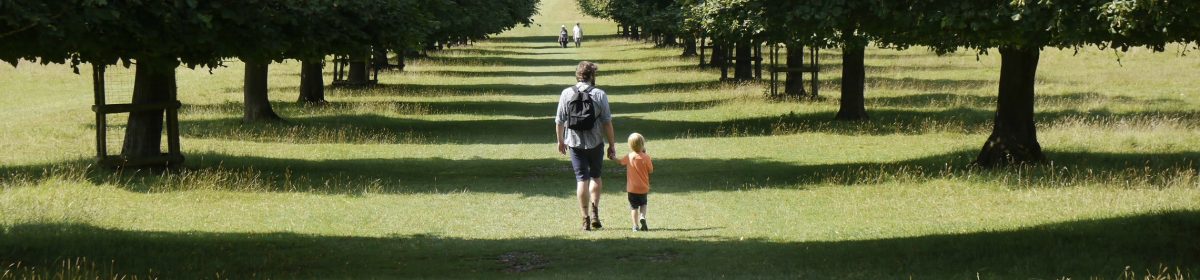


I thought I’d been quietly retired from my role at the Littleton on Severn Wassail. Last year no invitation arrived and I thought to myself ‘that’s it then’. As soon as my successor arrived in the parish I’d offered him the job and he’d said that he’d just watch me next time round to get the hang of it. I could sense after the first time that he thought it was a bit pagan. He was wrong of course; wassailing is thoroughly, indubitably and cheerfully pagan. Over the years it grew to include the election of a king and queen for the night, memorably won one evening by a gay couple after a totally rigged vote. There was a huge bonfire, a mummers play, a folk song group and a great deal of cider. My job was to stand on a picnic bench and bless the trees while shotguns primed with black powder were fired at the sky by green men and women hidden in the trees. Smoke and flames from the shotguns and much shouting and banging of saucepans followed in order – I insist – to drive the devil out. The 2024 event will also feature a ukulele band which may well do a better job of devil driving. My new colleague was pretty shocked by all this boozy revelry and cross dressing and, I think – being a good evangelical, took the job on last year in order to reign in the revelry and anoint the event with brief talk about Jesus. Needless to say it played badly with a press ganged congregation.
There’s a skill to rural ministry that takes a while to learn, and because I believe that all God talk is utterly inadequate and therefore heretical I’m not remotely fazed by anyone else’s attempt to express the mystery in a different way; so harvest festivals, Plough Monday blessings, and carol singing are all as powerful in their way as weddings, funerals and baptisms. A lifetime of talking and listening to people in extremis and in everyday situations has taught me that most of them had always thought very deeply about the great mysteries – more than many bishops, I might say, and that to interrupt them and try to correct their theological grammar is grossly impertinent and insulting. I’ve never met a more lucid natural theologian than the late Bob Talbot who, with his wife Rene ran a fishing tackle shop in Bedminster. I sat fishing with him on a river bank one morning and listened entranced by and envious of his spiritual connection with nature.
Anyway, the invitation arrived yesterday asking if I might think about blessing the orchard once more at the next Wassail. The letter from the Secretary of the Cider Club popped up on the laptop and I asked Madame what she thought. We’ve both got longstanding connections with the parish, the pub and for Madame the cider orchard too. She beat me to it because she was working for Long Ashton Research Station soon after we married, and was a part of the team of horticulturalists and scientists who planted and maintained it as an experimental plot behind the pub in the 1970’s. Later we would drink in the White Hart on Jazz nights, and later still I became vicar of the parish.
Littleton has always been a cider producing area. One local farm would make several thousand gallons of cider every year for the farm labourers as part of their pay. Even as late as the 1970’s the labourers at the research station orchards were entitled to a daily allowance of it. If you bite into a real cider apple the bitter flavour of the tannins will pucker your mouth and it will feel dry; but they contain a surprising amount of juice. Stories abound of throwing rats or bacon into the barrels to improve fermentation and although no-one has ever actually owned up to doing it in my presence, I’ve no doubt that any meat and bones would be quickly dissolved in the acidity of the ferment. On some farms, women were not allowed into the cider houses because it was feared they would stop the fermentation. This was a regular occurrence for Madame and me when I bought cider and she was asked to wait in the car while I went in for a wet. I learned fast that a wet was never less than a pint and sometimes two so I said no.

The Wassail is on and I’m happy about it. The Cider Club these days has many more incomers than original born and bred members but the village still has the capacity to replicate its historical culture through the pub, the cider club and even the church. As long as those fateful words “we always do it this way” are never uttered, cultures can adapt and embrace new ideas. This year the Winter Solstice comes at 3.27am on Friday morning and for me it can’t come too soon. There will be bonfires and songs no doubt and I’d feel completely free to join in the celebration except I’ll hopefully be asleep and in bed trying to get over a lousy cold.
Do I think that apples would fail to pollinate without prayers, or crops never grow without ploughs being blessed? Do I think that without the Yule celebrations the days would get ever darker? No, not a bit. But I do believe that these celebrations are the way we manifest our connection with and dependence upon the earth, her tides and seasons but even more importantly our dependence on one another; on human community and shared values.
I used to be a bit scared by the sandwich board men in Bristol and their gloomy message that the end of the world was just around the corner. To my infant eyes, immediately after the war, looking across the bombed buildings and burnt out churches it seemed as if we were halfway there already. Nowadays the earth is in greater peril than ever but we’re choking and drowning in the terrible conjunction of affluence, indifference and effluents. The celebration of the seasons puts us back in the right relationship with the earth without which we’ll find it hard to motivate ourselves to change.
In case I don’t get to write for a little while – It’s going to be very busy for the next couple of weeks – Happy Whatever!


Although I didn’t agree with the general conclusions of Charlie Gilmour’s piece on foraging in this weekend’s Observer newspaper I’d agree that the craft of foraging can be a great builder of relationship with the natural world. I’ll never forget the sense of gratitude that followed a blackberrying expedition with Madame in which we harvested many pounds of free fruit and subsequently ruined all of them in a truly disgusting chutney. Foraging will always entail a few culinary skills as well as the observational and identification skills that should keep you out of Intensive Care. That said, we have safely foraged and eaten many pounds of field mushrooms and enjoyed them greatly; but even a field mushroom has close relatives and lookalikes that demand identification skills. Most of the folk tales – can you peel it? does it blacken silver? are absolute nonsense and so we come back to experience and prior knowledge. If I can share the single most important question to ask of any fungus (or indeed plant) is – “where’s it growing?” The immediate environment; open field or field edge? maybe woodland but if that, what kind of trees? What kind of soil or underlying rock is it – acid or limestone? Is it growing on dead wood or in the ground? There’s always the possibility, as on the Mendip Hills, that an otherwise harmless edible plant or fungus has absorbed poisonous heavy metals, and many fungi have confusing lookalikes. Fairy Ring Champignons which are edible and dry well; can sometimes even share a ring with Fool’s Funnels – Clitocybe rivulosa which is poisonous.
It’s the kind of breezy confidence that all will be well which short circuits the hard labour of learning plants and fungi; I should know because the only reason I’m here writing this is that on several occasions I’ve prepared poisonous fungi and even started cooking them, when a last minute change of heart saved my/our skin. I even poisoned the cat on one occasion but mercifully after a good heave and a rash, she lived to tell the tale. Even worse, two highly experienced mycologists I know have developed an intolerance for the St George’s Mushroom after decades of eating it safely. There could be long queues of very sick people waiting for liver transplants if foraging became suddenly fashionable. The idea of sending naive collectors out into the fields and forests after a one-day course really scares me.
As does the idea of French style hunting days – otherwise known as circular firing squads – with inexperienced people thrashing around in the woods with no idea how to fire a gun safely. Once again I speak from experience having almost been shot by an overexcited man who – having paid his £500 for a day’s pheasant shooting, forgot the rule about shooting above the trees and gave me and our son the fright of our lives, with lead shot hitting the trees all around us. He was, I’m pleased to say, sent home immediately! Frankly, if you want to eat a pheasant – and spatchcocked mice and roast fox don’t float my boat (see article) – then buy one from a game dealer and save yourself retching over the entrails when you finally find out that most living creatures are full of glistening plumbing, oh and well hung squirrel and other roadkill can give you all sorts of weird diseases that will keep the doctors from their beds. I have no absolute problem with killing and preparing living creatures but the taking of any life should never be done for fun or sport but to meet a genuine need and it requires some skill, so it’s important to seek a good teacher.
When we were at art school we had to work all the vacations to make ends meet, and one summer I worked next door to a slaughterhouse where hundreds of pigs were killed every day. That was my first and best ever lesson in industrial meat production and it left an indelibly negative impression on me. But I learned about gutting and skinning rabbits sitting on the shed step with the head groundsman where I worked another two summers and who made it all look easy. When we kept chickens I got the local butcher to show me how to kill them without cruelty and he showed me why it was never really worth plucking pheasants or pigeons. If, as Charlie Gilmour says, you feel the need for foraged meat protein then you have to take responsibility, be a moral grownup and learn to do the job well. Does all this sound off-putting? Well – it’s the reality – and there’s no escape by trying to pass the responsibility onto someone else.
So that’s fungi and foraged meat dealt with, but what about plants, grains and suchlike? My big fear is that hordes of indiscriminate foragers could do untold damage to precious environments. Already, in Cornwall, professional foragers from outside of the area (obviously they come from Devon or worse still, down from London) have stripped whole roadsides of wild garlic and in Epping Forest mushroom hunters have been caught with upwards of 30 Kg of fungi. People I know well think nothing of harvesting thousands of Psilocybe mushrooms on the Bannau Brycheiniog but maybe that’s a different issue! However – and here I’m with Charlie Gilmour – if the end result is a new generation of naturalists who understand and love the natural world, coming to it via an interest in foraging, then what’s not to like? We should stop being so sniffy about people who ask about edibility on fungus websites and at least point them in the direction of the best help. I appreciate the caution about liability and insurance and all that, but duty of care can be expressed more helpfully than blanket prohibition accompanied by harsh words.
The world of plants is absolutely fascinating but foraging is never going to be capable of feeding the world short of some catastrophic collapse in the population, so let’s just see it as a getting to know you operation where our knowledge spreads out from the focus of interest like the spokes of a wheel and we land up grasping the wonderful interconnectedness of all living things on earth. Perhaps then, and finally, we’d know our place in it.
I haven’t yet got any photographs for this piece. There’s a reason. Allotments, fungus forays, natural history field trips all lend themselves to the portable memory of the mobile phone. Parties, bridges, seaside views and tractors do too, because they don’t show any signs of invaded privacy. However city streets at night or dodgy bars full of strangers – and night buses – demand a lot of street wisdom, and consequently floor the photographic brakes most of the time.
We used to love travelling and rarely felt intimidated when we wandered into the kind of places that gave us prickly feelings. “What are the chances?” we’d say to ourselves. On the station at Barcelonetta we were surrounded by a gang of muggers and once I’d made it clear that we’d fight for our cameras they decided not to take the risk. I was once advised that moving back from a threat was the wrong thing to do. “Lean into it and get in their faces”, I was told, “and although you might still get hammered they’ll more likely be intimidated themselves.” I’m sharing this information because my days of love, peace and let’s be reasonable have taught me that bullies and thugs rarely welcome a sensible discussion. As long as I get to walk away in one piece I’m content to let appearances give the false impression of fearlessness.
Anyway, last night we made one of our expeditions to Bristol which Cobbett would have recognised as a suburb of the Great Wen. We were off to an old friend’s birthday celebration in the same restaurant as we’d met in for a similar event 38 years ago. I’m not sure why Bristol enjoys such a high reputation – we both find it pretty sordid in many areas in spite of having lived and worked there for years. It’s noisy, perpetually jammed with traffic and the average age in the central areas during the day is about 25. At night, for those of a nervous disposition it’s best to keep your eyes peeled. Walking past the student hostels near the bus station the smell of weed lingers in the air, and a young woman coming back to the main door of her tower block looked anxiously around before scuttling in like a scared mouse. Nonetheless, once the initial negative impression has worn off I find it tremendously exciting. I’ve always had a thing about arriving at railway stations in places I’ve never been to and where languages are spoken that I don’t understand. Every sense is turned up to ten and it becomes a Brahmsian symphony of sounds, smells, noises, lights and unfamiliar tongues. Every kind, every nationality of food is available. Stokes Croft must have the highest variety of takeaways in the city. It’s not pretty but there’s a sense of community there
We always catch the bus into Bristol because parking is either impossibly expensive or just impossible; and we nearly didn’t make it this time because just as the bus was going down Union street, a young skateboarder slalomed into the bus at speed and the driver made an emergency stop which slammed us all into the seats in front of us. The skateboarder (with one of his lives expended) picked himself up and peered through the windscreen at the driver with a completely non judgemental look, more curiosity than WTF?!
We’d arrived at the bus station with an hour to spare, so we wandered up through the Independent Republic of Stokes Croft inspecting the graffiti which are very good and very dense – intelligent tagging. For such a diverse and alternative feeling area it had more obscurely named churches than a Welsh mining village. Getting saved would be a doddle here; far easier than in the wealthy highlands of Clifton, or the lush pastures of Southville. With time to spare we inspected the bars as we walked on, and settled on one with a big window so we could see what we were letting ourselves in for. At the bar I asked for a couple of lagers and the barman asked if I wanted glasses for them – it was that kind of bar. “Oh yes please,” I said, “I’m old you know …..I like a glass”. Next to me a young man with pinprick pupils asked me if I’d like to go mad? proffering something small and round. I said that I’d been there already and had no desire to go back and he laughed, along with the barman who could see the funny side of dealing to a man with not that much time left to abuse. This is where it all gets confusing because in spite of the slightly feral vibe, it was a very safe feeling. I often find it hard to read young people, but don’t see why they should even try to be understood. It’s their world and god knows we’ve all but ruined it for them. But the dealer was lovely with Madame and showed her where the toilets were and steered her away from the stinkiest areas – see what I mean?
So then to Picton Street which has a lifetime of memories for me because I used to buy all my radio parts from Pitts at the top, opposite the restaurant we were making for which was called Bell’s Diner at the time and is now an Italian called Bianchi’s – and very good it is too; great arancini. Among the guests was someone who spent his childhood in the street and whose family owned two shops there and he also bought bits from Pitts. We had such an animated conversation that Phil, our host, said we looked as if we’d known one another for years. Oh I do love a good party and this one was in honour of our old friend – a bit of an angel – called Ruth who once said something to me that changed the course of my life. It was so good a party, in fact, that we delayed leaving until much later than we’d intended and so, very slightly drunk, we wandered back down Picton Street just as as an imposing looking sound system was being set up. A queue had formed outside a hole in the wall fast food servery and we walked on down Jamaica Street to an almost empty bus station. There was the usual cleaner with a brush and pan sweeping up the day’s rubbish in a desultory manner. It was all quiet,
So only ten minutes later we set off in the 39 bus, but sadly the driver had not been briefed about a road closure so we waited in the canyon also known as Fairfax Street while he made a phone call to someone whose terrible stammer became something of an obstacle to planning the way out. An astoundingly drunk man got on and ricocheted from side to side up the bus to the back. Eventually we returned to the bus station but took a different route at Haymarket roundabout which must have left at least a few people waiting hopelessly in the cold at Wine Street. A few more got on, mostly tired and grey. At Temple Meads another drunk clambered into the front seat as if he were climbing Annapurna and then waved animatedly at his own reflection in the window. He was tidy and well spoken (in a more or less inebriate way) and looked as if he might have sprung unchanged from a 1930’s lodge meeting. At night the bus takes a longer route through Keynsham and the drunk man at the front asked if the bus stopped at Saltford (it does) and the driver declined to take the conversation any further.
Once we got to Keynsham the man in the front demanded to get off – he’d clearly forgotten where he was going. He stepped down from the bus and then took a wonderful tumble; bouncing harmlessly as drunks often do. The driver leapt out of the bus and helped him to his feet and he wandered off into the darkness. The bus pulled away once again and there was a loud crash behind as the other drunk fell off his seat. We stopped. The driver came up the bus and said “Oh I love my job” and reassured himself that drunk number two hadn’t done himself any serious harm. The rest of the journey was uneventful and as we got off I said to the driver that he deserved a medal. He didn’t disagree.
Home then, a glass of wine and bed; very very late – and not a single photo to illustrate our adventure. Next time perhaps …. I love catching the night bus.


Regulars won’t need reminding that I find autumn difficult. Melancholia would be easy to dismiss as a middle class hybrid of self-pity and dark nights; feedstock for bad poems and self-help Guardian articles. It isn’t the same thing as depression – which is an illness you wouldn’t wish on your worst enemy. I suggest that melancholia is an attempt at a constructive relationship with the sadness that goes with shrinking days, cold, rain and the senescence of nature. In October and November I often feel that the allotment, instead of being a rewarding and inspiring place is a place where mockery reigns. Where overwintering thugweeds overwhelm the earth in order to gain a destructive head start in spring. The place of serenity, beauty and hope in Spring and early summer, grows old and dies back. Then a pause – the gap between the outbreathing of autumn and the inbreathing that powers early spring; the pause where we stand beside the beds and wonder – is that it? – will the sun ever return?

Late autumn and early winter are the times when gardening becomes a test of will – for me at least. Madame is unaffected by all this; she just gets on with it and enjoys every moment and simply doesn’t understand what’s going on with me. So we haggle and negotiate an hour or two here and there and I clear one bed at a time and focus entirely on each limited job – excluding any thoughts of the mountain of other things that need to be done. And amazingly, I always feel better. Close up, I see the spring buds already there on the fruit trees. Each bucket full of the gut-like roots of bindweed removed from a patch of ground represents a tiny victory against the promiscuity of nature. I’ve now almost finished digging over the beds in the polytunnel ready to plant out and sow for the winter. The mood of the month is stolid resistance; spring song will follow.
Even more amazingly, my arthritic joints begin to unlock with the exercise – the bending and stretching and reaching across, the 50 yard and very uneven path to the top of the site feels less steep after a week or two of stopping to catch my breath. I can lift heavy bags of compost and enjoy the complex geometry of muscles and bone. My mood lifts and I catch myself gazing at the drifts of leaves scuttering down in a wind that even drowns out the traffic: gold and yellow and scarlet and brown. Who knows how this change happens? I think of the trees in their complex relationships with the soil and the fungi which we barely suspected thirty years ago and wonder what unsuspected relationships exist between the natural world and our own health. The arrogance of our modern materialistic worldview overlays millions of years of evolutionary history which our whole being expresses in the miraculous workings of our minds and bodies. Sourdough bread and live yoghurt don’t even begin to explain human flourishing.
So here’s the deal. I can’t thrive on a monoculture of allotmenteering; I also need texture in my life – time to think, time to walk, time to read and time to relax and do nothing. I need other subjects to focus my interests – field botany and fungus hunting for instance – both of them offer formidable intellectual challenges. This afternoon, for instance, Madame asked if I could identify a bag of seeds saved off the allotment. At first glance this is an insoluble problem, but knowing where to look made it absurdly simple. I didn’t know the answer but I knew where I could find it and bingo! it was Angelica – easily identified from the firework burst of its dead seed head and a quick look at the seeds. The Carrot family may all look the same in a field, but you don’t have to be particularly brilliant to tell them apart – just organised and systematic.
Speaking of which, I’ve just bought the first volume of Geoffrey Kibby’s marvellous “Mushrooms and Toadstools of Britain and Europe”. There are three more volumes – so I’m going to have to save up; but this is everything you could wish for in a textbook. It’s far too big and heavy to fit in your pocket, so it’s a reference book. I’m not remotely qualified to comment on its scientific status – plenty of reviewers have done that and it’s definitely a five star purchase. The descriptions and the pictures – all hand painted by the author – are lovely. But what strikes me most is what a good teacher he is. Mycology can be awfully obscure and a bit sniffy at times, but this series manages to be completely thorough without being in the least intimidating. Like all the best teachers he knows that there are challenging conceptual difficulties to overcome but he gives a reader like me – who needs a permanent bookmark in the glossary section – the confidence to think that even I could surmount them with a bit of cheerful energy. There’s hardly a page where I think – Oh I couldn’t do that! The really great experts don’t wear their expertise on their sleeve.


Jill Lough’s sherry trifle
So as the title suggests, this week saw a return to the present after reconnecting my heart and my head on the subject of the walk from Le Puy en Velay to Cahors. The sediment has now settled just about enough to view it as just another few yards of life’s rich tapestry. I was pleased and rather surprised to discover that it was pretty good in parts, and I’d go so far as to say that working on the timeline through my journal and photographs as well as my memory was as cathartic and helpful as the counsellors often say.
On Sunday we laid on a family meal. With two of the boys missing it was smaller than usual. Our grandchildren arrived as high as kites – suspect sugar rushes – and our son was – as is often the case – rather withdrawn. We know pretty much why he’s in a bad place but because he’s never spoken to us about it, or invited any kind of help, it remains the elephant in the room and makes everyone a bit sad. Oh and caution stayed my hand with the sherry bottle (the children had their own alcohol free version) and it failed to reach the heavenly heights of Jill’s recipe which comprised (I may have increased the booze) – one sponge and one bottle of sherry.
However on Monday and after ten years, our daughter in law was finally granted British citizenship and there were whoop whoops galore on the family WhatsApp group. No more tasteless jokes about Australian cricket, then, but we will expect her to learn Bristolian as soon as possible. Then of course we spent a couple of mornings catching up on the allotment. If you’ve read this blog/journal for any length of time you’ll know how depressing I find the autumn. It’s like visiting a loved one who’s rapidly fading away. But Madame administers the whip adroitly and once I get going I usually enjoy it – ish! I am not going “gently into that good night” and every arthritic creak makes me froth with rage at the dying of the light. I normally love wheelbarrowing muck and hoeing weeds in, but ever since I was formally diagnosed with AF and given a pile of drugs to limit my heart rate and blood pressure, I suffer from a nagging panic about making myself ill. I couldn’t fault the doctors, they’ve been wonderful, but all they’ll say is “just don’t overdo it” . Just WTF is the difference between doing it and overdoing it? and do you have to wait until you’re in the mortuary with a label tied to your toe to find out??
Tuesday was spent on the allotment, until we were driven off by the rain. This has been a record breaking autumn with low pressure driving rain off the Atlantic and dropping devastating amounts across the country. I don’t understand the wingnuts who still think this weather falls within the normal.
On Wednesday I went off with two friends, prospecting possible sites for Bath Natural History Society to organise field trips next year. We had three sites to look at. The first had to be abandoned after our driver was forced to reverse 100 yards down a lane with a locked gate at the end and no turning place. It was very narrow, half flooded on one side and a ditch on the other – both sides within easy reach of the wheels. After a great waving of arms and shouting we half extracted ourselves noisily enough to attract the attention of the farmer’s daughter who came and took over having obviously done it many times before. She told me she would have offered to reverse the car herself but had thought her offer might offend us. I thought there was an element of sweet revenge in it. The combined intelligence of three old blokes failing to drive a car backwards was far too good an opportunity to miss for a young woman in 2023. It was only later that I realized what a daft thing it was to tell her we were natural historians; who on earth would know what that meant? Anything else could get confused with naturists; and nature lovers sounds thoroughly creepy. “No dear we always keep our wellies on” comes to mind. So what? ….. botanists? bird watchers, fungus hunters? all three I suppose. In the end it sounded more comprehensible to say we were organising nature rambles for a club.
Site number two also lacked sufficient parking although we managed to squeeze in around the back among the builders’ wagons. Most of the site was pretty unimpressive from a wildlife point of view but once we got beyond the lake we could see that great efforts had been made to create a real wildlife area. My companions, who were both birders, got excited about a pair of Scoters and surprisingly they spotted six or seven species, but there wasn’t enough, we thought, to maintain interest for more than an hour or so.

Site number three was by far the largest and most interesting in spite of being surrounded by houses, roads, an industrial estate and a railway line. There was an abundance of hedge and scrub – enough to hold a big population of birds. There was a wooded area, a stream and a lake plus a couple of large and relatively unimproved fields where we soon started to find waxcap fungi. We were all trying out various apps on our phones and at one point all three of us were using Merlin – an excellent bird ID app- pointing our phones at a noisy flock of Starlings. The apps parted company over the fungi – none of them (the apps that is) – are perfect and fungi in particular mostly need double checking in the books – for many you even need to resort to a microscope and examine the spores. So an affable exchange of emails later in the day got us as close as we could. But we came home with at least one suggestion for a trip next year. I’ve been volunteered to co-lead another in the spring and give a talk as well so things are looking up.
Thursday and Friday were swallowed up by the allotment again, but at last it’s beginning to look a bit decent. We covered all except two of the beds that were cleared of crops, and we’ve sown seeds for overwintering in the polytunnel. On Saturday we finally had our first NHS dental appointment after 7 years and 63 phone calls. No-one would take us on as patients for all that time and so our teeth weren’t properly looked after and when Madame’s gold crown fell out I tried to mend it by glueing it back in. Unfortunately I glued it back to front. It cost well over £1000 to get it fixed. The only tiny cloud in the heavens was the fact that the dentist called us both “My dear” throughout.
Then yesterday we were off to Tetbury with our neighbour Charlie who is an ex Director of the Welsh National Botanical Gardens and is an all-round good guy. We were invited along to a joint talk he was doing with Louise, a dyer; all about the trees and plants that are used for dying fabrics which is a subject close to my heart, and also having lunch with Geoffrey, the owner of the 28 acre site, the gardener (Louise’s husband Liam) and Charlie.

It was a wonderful but challenging and occasionally perplexing visit to the Makara Centre near Tetbury. The cost of running it is subsidised by hosting weddings as well as a memorial garden, but you get the feeling that its real purpose is as a place of meditation, teaching and personal growth. The whole place is suffused by a contemplative atmosphere and outside there were a dozen places where you might sit quietly and meditate. There were many little water features completely naturalized with moss and ferns. But inside the main buildings were some of the most lovely human spaces I’ve ever seen. Dotted with mandalas and statues, and furnished and decorated with enormous care; there was one room in which I’d gladly sit alone for a day. Even the door frames were beautiful.


The man who goes out for revenge should dig two graves
Confucius
But finally the big think. I’ve been agonising about how to think about this appalling war in Israel/Palestine and it seems to me (after 2 weeks of violent thoughts, dreams – and frothing at the mouth on my part) that even using a term like evil presupposes that the user of the word accepts that it represents something real; not just a metaphor that gets wheeled out for press headlines. As a concept in everyday use in the West, evil has all but disappeared along with much of its supporting philosophy but we still think it’s significant enough to use on especially upsetting occasions. And, of course, all the major religions including Christianity, Judaism and Islam, Buddhism – virtually all of them – separate good acts from evil acts. I’ve worked in many challenging situations and evil – when you encounter it – is utterly chilling; a trashing of every virtue; a deliberate choice for wickedness and against goodness. Surely this is a timely moment to examine our own acts; to accept our own capacity for evil and to recognise when we have fallen into it. If governments, militias, terrorists across the world chose to read their own scriptures on the subject of evil – prayerfully – and assess their own acts in the light of the scriptures they claim to follow then I’m hopeful that they would at least (grudgingly) recognise their error. There is no conceivable God worth a moment of anyone’s time – let alone obedience – who would sanction or encourage evil acts. So we can’t have it both ways. It’s hard to make a coherent argument concerning evil unless we allow that it’s a possibility for any of us, and therefore we have to accept our responsibility for the evil we do without excusing ourselves on the basis of some utterly wrong and self serving interpretation of scripture. Then; when, and only when we’ve acknowledged our own capacity for evil should we turn our attention to what the enemy is doing. I have never forgotten a sentence from my ordination sermon, preached by Francis Palmer: “Always remember that the Church can be the devil – and when it thinks it can’t be, it is!” A very old and dear friend who spent a part of the Second World War serving on the North Atlantic convoys, defending vital cargo ships against aerial and torpedo bombing, told me that on one occasion they were dive bombed whilst he was on duty as a machine gunner. He told me how, to his great shame he was so filled with hatred as he poured deadly shells at the plane, he felt he somehow changed into a monster. He was still deeply ashamed at this revelation of his deep nature fifty years later.
And here was the most unexpected outcome of our day at Makara – a sense of release and peace against all the anxieties and fears of the present moment. We talked for hours about it last night, and again this morning but couldn’t define what exactly was happening there, but this morning we went up to the allotment to clear another two beds and it started to rain; not a bit of drizzle but biblical rain roaring down on us and we laughed as we struggled to work on; digging our winter potatoes from the sodden ground. I could brag about how successful our efforts at improving the soil have been in improving drainage, but that wasn’t the point. We were just laughing about earth and rain and hard work and potatoes; the least glamorous or religious activity you could imagine. When Charlie was trying to explain what Makara meant to him he said “The place has got a soul”. He’s been deeply involved in the development of the place for years, and he and Geoffrey are old friends. Well, he wasn’t wrong.
Quite a busy week really. Retirement is not for the faint hearted !


3rd June 2010
Another restless night on a football field with one ear cocked for gendarmerie/dogs/vandals. Up early looking for somewhere to crap but could only find a place between a wall and an electricity substation so I decided to wait. Breakfast back at Limogne – banana and 1 litre of milk from the shop ( now open) and coffee at the nice café – the lovely proprietor freshly perfumed and twice as aloof! Alain and his wife were going to travel to Cahors with us. He’s been wrapping his feet in cling film every night. Bus took about an hour (6€ – which made me wonder if the campsite owner at Livinhac was taking the piss!) Got dropped off at the SNCF station and found our way down to the river. Campsite as always was about 3K away on the far side of the river outside town. It was very hot (32°C) and we walked the 3 sides of the town along the river bank and set up camp in a very good campsite. Q What’s the difference between 2 star and 3 star campsites in France? A toilet paper!
Again spent ages looking at Miam Miam Dodo and the Cicerone Guide and came to the conclusion that the logistical difficulties of camping all the way were overwhelming. Trying to find food and camping at 20-25K intervals is impossible. Carrying food and extra water isn’t an option because of the weight. We can manage a lunchtime snack (cold) but we’ve sent back our cooking equipment so we’re completely dependent on finding food and water at regular intervals. Although we can walk 35K it’s a horrendous strain – no fun at all.
For the weight we’re carrying, a perfect day in hilly country would be 18-20K finishing up at a functioning campsite in a town or village where we can find food. It’s that combination which has become increasingly difficult/impossible to find. We were, with Alain and his wife, the only people out of hundreds of pilgrims, who were trying to camp. Many of the others were in organised parties carrying very small loads with all their heavy stuff being carried ahead by van. These parties were swamping the gîtes so that solo pilgrims were finding it hard to book – some making many phone calls each day. For me, the anxiety of never knowing where we were going to sleep + missing home and being constantly tired with painful feet became more of a burden than a joy. I’m a hobbit. Anyway we decided that Cahors – being a main line SNCF station was the best place to call a halt, having walked 350K. So 3 days rest and home again feeling very sad and embarrassed about not completing the walk but knowing it was the only sensible decision short of sending back the tent and joining the hordes at 80-100€ each a day – far beyond our budget. Camping never cost us more than 12€ for both of us per night and we had a few free nights squatting. Coffees and panachés cost us about 10€ and then food. We had some nice and some awful meals but we got our (average) budget down to 30€ each a day.
7th June 2010
Walked on to Cahors railway station at 7.30 this morning just as they were playing “Losing my religion” on the tannoy. Thanks.
Journal

Every adventure has to come to an end and this one did so more with a whimper than a bang, (please ignore the double entendre it was unintentional as far as my conscious mind is concerned). I think the photo that M took at the campsite in Cahors showed how much weight I’d lost on the walk. The decision to return home was largely mine – M would have carried on, or at least he’s always said so, and still wants to go back and complete it. Thirteen years on, with osteoarthritis in many of my joints, I don’t think there’s much hope for me, and Madame – who never understood why I was doing it anyway – would be implacably opposed. There were no visionary moments I’m sorry to say, and not many insights. I guess the biggest lesson was that pilgrimages – at least if you’re doing them the traditional way – make you very vulnerable ‘though not necessarily humble in the religious sense. You get obsessive about food and money and continually anxious about the next night’s sleep. In a moment of supreme irony, when we arrived at the campsite in Cahors we went into the shop and there was a display of precisely the gas canisters that we were told were unobtainable in France and which had led us to send all our cooking equipment home.
We spent three more days in the town, exploring and enjoying the abundance of fast food. We slept and sunbathed and drank chai tea in a tiny Indian cafe; bought ourselves some very French hats in a shop that offered a huge variety of mens’ caps which the fierce proprietress would only sell in the appropriate season. Heaven help you if you ask for a warm winter cap in June! – and at last we walked 3Km back to the railway station to catch the TGV back to Paris – an absurdly fast journey after walking slowly for so long.
After a long day we finally arrived back at Bristol Parkway and I’ve never in my life been so glad to arrive at that bleak railway station. There’s a postscript to all this, but I’ll leave this part of the story with a couple of intriguing photographs from Cahors. The car was just parked – a little out from the kerb – but alongside the passenger’s window was a truly enormous pile of walnut shells. How long would it take to eat so many walnuts? who was the passenger waiting for? But nearby was this spectacularly belipsticked dog-end. Did it belong to the passenger? and – if it did – what was the rest of her like? and what was she up to? Was it a flic stakeout? There’s a short story in it for sure.


Madame and I were pleased to be together again.
Two years later in July 2012 we packed the car, caught the ferry to Santander and then drove around Spain and France for three weeks – crossing the Pyrenees three times and visiting the GR65 wherever we could – Pamplona, St Jean Pied de Port, down to Collure and back across to Uzes; a culture vulture grand tour. I took Madame to several places we’d visited whilst walking the Camino, leaving out the grimmest details but including the seedy hotel in Monistrol d’Allier which was ….. still seedy. But one stop we made turned the ending of the walk from a depressing memory to a great event. We had a couple of days in Cahors, just across the road from the SNCF station in a Hotel which sounds a bit more glamorous spoken in French, but Station Hotel is what it really was, or still is. I’ve just Googled it, and it’s still there and possibly has the most beautiful Art Deco restaurant you’ll ever see. The rooms were higgledy piggledy and the lift was just about big enough for a suitcase; but we peeped around the restaurant door and booked dinner without taking a breath.
Can I mention the waiter who served us drinks on the patio? He was immaculately dressed in a waiter’s jacket but wearing jeans and trainers. I warmed to him instantly, and he to me. When I asked for a wine list he came back with a small volume – about 2″ thick. I couldn’t believe my eyes and asked if they really had all those wines and he laughed and invited me down to the cellar to see for myself. We ordered pat
And now we’ve had brexit and I’m heartbroken not to be considered truly European any more. Our EU passports have expired and we probably won’t renew them. What a complete crock of sh**! Here’s where the pilgrimage finished – the rest of the walk continues across the bridge and back up to the Causses – just 800 miles more.


28th May 2010
Woke up feeling cold, miserable and pessimistic. My feet had been sore all night and I couldn’t seem to get comfortable. Dragged myself out of the sleeping bag and went for a shower while M slept. Then I had a proper look at my feet and peeled off the pile of three compeed plasters on the ball of my right foot. To my surprise – though the plasters stank – the skin was intact so I replaced them with a new one which was much more comfortable. M woke in a more positive frame of mind and we packed up and blagged a couple of free coffees at the campsite café. Walk was much easier today. Arrived in Sénergues at 12.00 (didn’t leave camp ‘till 9.00 and found 2 pilgrims we recognized eating lunch at a café. It looked so good we stopped too. Green salad, fresh tomato, hard boiled egg, confit duck and hot cooked Puy lentils. We both had a panaché and then sorbet and espresso. Cost 30€ but it made up for yesterday’s privations. Walked on new legs after lunch. Finally got to Conques at about 4.00pm. Town is extraordinary – like a medieval film set – so we decided to take a day off tomorrow and explore then.
Campsite by river – nice place – Pizzas tonight + sleep + rest and do some washing. Only fly in ointment is 50 school kids on adventure camp. Hope they don’t stay up all night.
Journal
Surprisingly, perhaps, I didn’t come back from France with a pocketful of recipes – mainly because our diet was so restricted by our budget and although we saw a lot of menus we didn’t really eat them. I wrote last time about the vegetable soup with aligot and local sausages. The vegetable soup has eluded any attempt to cook it myself and although we eat lots of veg soup at the Potwell Inn, I’ve never made anything as good. Maybe it should only be attempted when you’re half starved and completely exhausted. We were living off high energy tinned food that we could eat as we walked a lot of the time. Later on I’ll come to a cafe where I was so lonely I could have proposed to the owner on the spot except for her completely aloof manner (very French) and around a forty year age gap. I was missing Madame terribly.
But this little restaurant in S
The changing of blister plasters became something of a ritual for us. Although I’d prepared and trained, as well as pickling my feet with surgical spirit for weeks, both of us suffered from really painful blisters, and we found that the best way of dealing with them was to dress, clean up and apply Compeed plasters to each others’ feet. An intimate and smelly job but much easier in the end for both of us. I don’t use this blog to promote anything – but I can honestly say that Compeed plasters are the absolute bees knees and can keep you walking with absurdly blistered feet. Perhaps I’d venture the advice that the time to deal with any soreness on a long walk, is immediately.
Next stop Conques.


Last night we watched the moon rise and set behind the hedge on the campsite. Today is a brief period of calm between two blown-out hurricanes, and tonight Nigel barrels in. Does anyone else think Nigel is a bit of let down for the name of a hurricane? Anyway, at the end of last week’s storm Lee gave us 85K gusts without causing us any problems, and Nigel is forecast as a bit of a damp squib down here in the extreme southwest.
I’m a traditionalist when it comes to marking the seasons. I don’t buy the tidiness of the meteorological seasons and much prefer the solstice and equinox schema. These seasons relate to the inbreathing and outbreathing, the sleep and the oestrus of the earth. What’s the problem with that? So we sat on the beach today and soaked up the sun from which we’re slowly withdrawing for a while – because the earth needs rest as much as we do. It seems to me that part of the problem with our rolling ecological disaster is that our culture wants to press the override button on the seasons -in fact on all of the natural constraints that keep us and the environment sane and healthy.
Back on Monday with a pile of autumn work to do on the allotment – mulching, composting and prepping beds for the Spring.

24th May 2010
Slept late and wandered off to the post office only to discover that today is a bank holiday in France so we’ll have to wait until tomorrow to post stuff off. Dined on cold tinned cassoulet but by then I’d got the raging shits from too much rich food so I’m glad we’re not walking today. PO at 9.00 tomorrow meanwhile we did some washing and lazed about charging phones and cameras. Supper at same restaurant tonight but cheaper menu I think.
“Supper at same restaurant”! Les Sentiers d’Aubrac – remember never to eat there. Andrew found 3 hairs in his salad. The manager was running the service without a waitress so everything was appallingly slow. The pièce de résistance was a bluebottle roasted and sauced on top of my stuffed chicken thigh (along with some tiny mushrooms). I suddenly understood why I had been ill all day. We left refusing to pay for anything except for a bottle of Pellegrino which we gave him 5€ for. Our journey across France is turning us into Bonny and Clyde. We half expected him to get stroppy but he didn’t even apologise. [Later, I] – had a wonderfully surreal conversation with a very old Frenchman who was obviously lonely. I was washing out my water bag and it became clear, when he smiled and tapped his thigh, that he had mistaken it for a catheter and storage bag. So we shared this precious moment of fellow feeling and he went on his way presumably encouraged that there was someone else on the site who shared his problem
Journal
There are several missing pieces from this part of the journal. My memory has muddled up several bits in places, but since I mentioned sending off any redundant equipment we had discovered we didn’t need or couldn’t carry any further, I’m clear that this is the place where we saw a market stall dedicated entirely to foraged wild mushrooms. In a better ordered narrative we would have brought a selection of them back to the campsite and cooked the kind of dish you see f
25th May 2010
Up early. I’d been listening to a nightjar I the trees near the tent. The wildlife here is exquisite – flowers orchids and the happiest and healthiest cattle I’ve ever seen. Post was very helpful (we were sitting on the doorstep when it opened). The surplus gear was packed into 2 boxes and dispatched to Harry’s daughter in Le Houga.
Then we set out to cross the last and the highest part of the Aubrac Plateau at 1300 metres. Dropped down through wooded landscape to St Chély at about 3.00pm. Best day’s walking yet ‘though only 17K.
Journal
I think all of my happiest memories of the camino were contained in the walk from Le Puy en Velay to St Ch
To get the distance between Le Puy en Velay and St Ch
Next time – with a bit of luck – a reflection on creeks, tidal rivers and their mill pools and for my friend Rose a bit of lyrical thinking about how the nightjar, the nightingale and the curlew can undo us so completely.