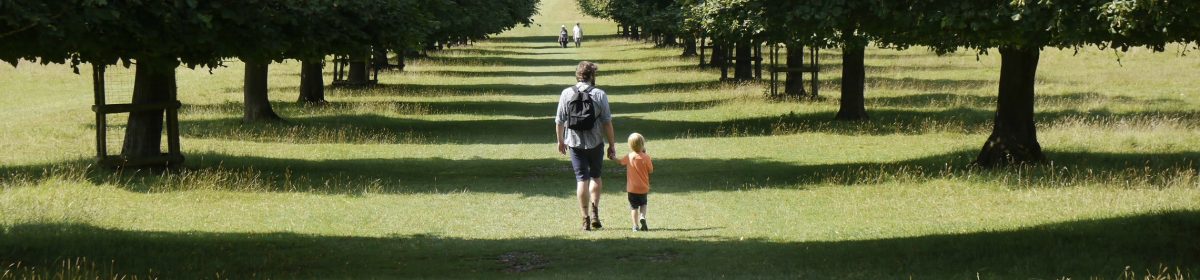
Autumn continues to come good.

Well the last ten days were a bit of a challenge but at last the polyps (six more of them, including a real biggie) have been removed from my colon and my system is almost recovered from fasting followed by 24 hours drinking drain cleaner and a morning under sedation at the local hospital watching the job being done on a big screen. I found out later that they’d given me a combination of pethidine and midazolam which were the reason I was able to not wriggle/scream/ or change my mind. As is the nature of these drugs I can barely remember what went on and as for the bus ride home it’s blank. I can remember the exact moment they wore off, though, as if a curtain was lifted and when I read the consultant’s notes I had the usual post-operative WTF? moment. On the plus side the (award winning) team were lovely and kindness itself.

So …. the campervan was fixed on tuesday after being recovered for the second time with a non functioning clutch. On Sunday we checked out Morrison’s garage at the Mall and they still sell LPG, so we’ll be ready for the next adventure as soon as they re-open the road through Pilning, and today we had our flu and covid top-ups and pressed a big bag of apples for juice during the afternoon.

Having decided to carry on with the allotment we’ve been working hard every day getting beds cleared and prepped ready for planting up. There are over a hundred broad bean plants of different varieties growing steadily in the greenhouse in their root trainers and very gradually we’re getting back on track. It’s been a magnificent year for the apples, and all of the trees planted in 2021 have fruited this year, which has created a new challenge for us because in spite of my careful records, it looks as if the nursery had mislabeled some of the trees, and in one row of five the first and last had been wrongly labeled – so Winter Gem and Grenadier had been transposed. This was the first time we’d been able to see the problem. The red- skinned apple on the left was one we inherited and we’ve never known for sure what it is but have gone (provisionally) for Ribstone Pippin and the green one on the right is Winter Gem which, ‘though it doesn’t look all that nice is actually delicious and very fragrant. The red spots on the skin are caused by a reaction between oxygen and the skin as the apple ripens off the tree.

Apple identification is a difficult skill to learn because it includes consideration of the horizontal and vertical section of the fruit; its shape, whether conical or round; exact description of skin colour; streaking; degree of greasiness; flowering and ripening times, the colour of the exposed fruit and the degree of russeting and you have to do a lot of it before you can be proficient. We spend a lot of time on the National Fruit Collection website – it’s extremely thorough and well worth bookmarking.

Anyway, while I was feeling sorry for myself a very divisive philosophical issue came up on the allotments when a member wrote a rather cross Facebook message about “rubbish” being “dumped” along the fence line at the bottom of the site. Madame absolutely forbade me to respond, but I feel safe here to write that there has been a growing problem, and distance, between those allotmenteers who believe you are only closer to God in a garden as long as you’ve slaughtered every blade and leaf of plants which you didn’t grow for food or aesthetic pleasure. Wild animals too, but especially badgers rats and foxes, oh and squirrels and mice – oh alright then – cats too are not permitted either. As for insects and above all caterpillars, need I say more?! At the greener end are those who, like us, keep a trail cam to enjoy the nocturnal visitors (which also include deer); we control the rats by never chucking the remains of Friday night’s takeaway on the compost heap because we know that rats originally came from India and love a curry. We have a scuzzy looking pond in which rat-tailed maggots can grow into hoverflies, and we allow lots of weeds to stay – especially nettles – because some rarish butterflies love them, and some lovely seed-setting grasses for the birds to chomp on. We obviously don’t want the Whites to eat our brassicas and so we net them carefully. Sweetcorn needs fortifications to keep the badgers out and so it goes on. Our allotment is, by the standards of the evangelicals and fundamentalists of tidyness, messy; but here’s the point. Nature just loves messy, and over ten years we’ve been visited by a dozen relatively rare plants which stay for a year or two and then move on. There was Peruvian apple, Stone-parsley, Bullwort, A rarish form of Fumitory, and others too. All-comers are welcome to come and raise a family over a couple of seasons and if some people think they’re just weeds it’s their loss.

Our relationship with nature is a conversation in which (for instance – like the apple trees) no-one speaks for four years and then something important happens. We accept that the plot we rent is not ours, but belongs to two of us (two legged creatures) and all of the other creatures from deer down in size but not importance to amoeba and thence to pollens and yeasts. We cannot compel but, as the astrologers say of the stars, we can only dispose, and if you don’t talk to the plants how will you know what they need?

So if we empty our buckets of trimmings, prunings and nuisance weeds like couch and bindweed along the fence we’re not dumping them (with all the negative connotations of that word, we’re putting them there because as they rot down to return their nutrients to the earth they provide a place of safety for dozens of species like woodlice, spiders, ladybirds, all kinds of pupae, field mice, hedgehogs and slow worms whose contributions to pollination, clearing up infestations of blackfly and suchlike, eating rotting leaves and aerating the soil – we rely on. We are part of a vast interdependent food chain. We do not dump plastic waste, old pushchairs and mattresses crisp packets or discarded drinks bottles and cans.

But we do process and store all sorts of delicious food that would otherwise be wasted. These tomatoes were picked green from dying vines after the drought, and ripened in the dark so they could be reduced to a roasted passata which keeps for at least a couple of years and is as good as pixie dust for bringing a pasta dish to life.

The return of the Red Headed League – who says nature has no sense of humour?

Sycamore moth caterpillar – Acronicta aceris

I wrote this post 13 months ago and then, for some reason, never published it and it’s been sitting in the drafts folder ever since. I used to have a producer on the radio who would say -“I know what you’re trying to say, and I know that you do too – but you haven’t actually said it!” – and re-reading it yesterday I think it fell into that category; so I’ve tweaked it a bit and added a couple of paragraphs to say what I was actually trying to say and I’ll leave it to you to decide whether it worked.

Rather an arresting sight on the pavement outside the flat today. I wondered for a moment whether caterpillars have hen parties but obviously this one wasn’t wearing a tiara so I didn’t bother to look and see if there were any tipsy bridesmaids about. I don’t think the Sycamore moth is particularly rare but I would have noticed had it crossed my path. Anyway, it must have fallen from the tree outside and was making its way across the road to the relative safety of the Green – relative safety because it would surely make a tasty snack for a gull – or a magpie, what with the ginger wig and all.

I frequently have trouble trying to figure out what my real vocation is; I’ve done so many things – but there’s always been writing somewhere in it. I fell in love with the natural world as a child and now I’m a passable amateur field botanist but when I sit down to think about it, what really gets my juices flowing is the beauty of plants; their histories, traditional names and uses for food and medicine and their journeys around the railway yards of Europe. DNA and microscopic identification skills are no more exciting to me than completing a hard crossword; fun but not significant. I get as much thrill from the Biting Stonecrop outside the door as I would from finding a ghost orchid (unless it was in the pavement outside!), and I don’t have a tidy mind so I like to root around on my hands and knees to find plants rather than see them displayed like zoo specimens in wire cages and bare earth. If it came to a choice between writer and botanist it would have to be a writer – a no brainer. Latin binomials have their uses of course, and when it comes to the correct naming of plants they’re essential, but where’s the romance in it?

The abundant Mexican Fleabane here could be and often is seen as a weed. I just don’t get it. Last week the official council weed scraper laboriously removed nearly all the plants along the bottom of our retaining wall but then stopped when he came to a glorious waterfall of the daisy lookalikes at the corner and put his scraper away. The bottom of the wall is now alive with the resurgent leaves of Nipplewort, Dandelions and Hemp agrimony which simply shrug off the insult. The whole object of a plant, I suppose, is to be visible and visited by pollinators. You’d think that for caterpillars the opposite would be the case; that they’d make themselves as invisible as possible until they’d pupated and emerged in their final forms. Not so, though. The ginger Sycamore Moth caterpillar, like so many of its cousins, doesn’t even try to be cryptic in its appearance. Does it actually taste filthy or does it just look as if it will. There’s an extravagance in nature which breaks all the bounds of decency and order – especially if you happened to be a Victorian philosopher like John Ruskin who once wrote of Selfheal:

It is not the normal characteristic of a flower petal to have a cluster of bristles growing out of the middle of it, or to be jagged at the edge into the likeness of a fanged fish’s jaw, nor to be swollen or pouted into into the likeness of a diseased gland in an animal’s throat.

John Ruskin, Proserpina – quoted by Richard Mabey in his book “Weeds”

Richard Mabey’s book, cited above, is an erudite source of wisdom about weeds that deserves a place on any bookshelf. In his description of Self Heal he mentions the visual effect of swathes of the plant as akin to “brazed copper”. Ruskin seems to have had a bit of a thing about the colour of copper. One account of the reason for his inability to consummate his marriage to the red headed Effie Gray was given by her years after their marriage was annulled – “the reason he did not make me his Wife is that he was disgusted with my person the first evening.”

I can only assume that Ruskin found much to disapprove of in the disorderly and occasionally ginger world of nature. Sometimes anarchy is just a way of describing something whose connectedness and complexity is utterly beyond us. Science is the scalpel to the butterfly net of the poet’s work. Reductive or expansive – that’s the challenge. Are the tools we use to engage with nature intuitive and imaginative, or laser focused, seeing nothing beyond the quarry?

Well, I’m for the butterfly net approach every time. Of course, in this critical age of triple breakdown; environmental, climate and economic, we need science as never before, but just as I’ve always taught, myths are the way we tell the truth about mysteries – and the intuitive, expansive and imaginative tools of the poet are every bit as important as the scanning electron microscope and the DNA printout. To choose just one approach to nature wilfully limits our understanding. Slippery and indefinable as it may be, to exclude beauty from our calculus is to take us into Gradgrind’s miserable world. Ruskin’s failure to appreciate Effie Gray’s sensuous beauty was a failure of his humanity. He pursued her, courted her and married her so he could push a pin through her heart as if she were a trophy butterfly.

But enough! I bet you didn’t know that John Masefield liked to keep a box of rotting apples under his desk to fire up his imagination. Stanley Spencer kept something entirely more unpleasant near him but you’ll have to google for that. We have a neighbour on the allotments who has a tree laden with quinces which have the most lovely perfume, enough to fill the whole flat, and every year we put a bowl of them on the table. I’ve made quince jelly in the past and believe me they’re as tough as old boots and need a lot of cooking. When you cut through the fruits the black pips have a positively satanic look and they also contain hydrocyanic acid.

Of all the virtues of nature we mustn’t ever forget its sensual pleasures. For us, it’s more than just the necessity of eating, or growing or intellectual understanding because every one of the senses is engaged in a merry dance. Autumn is not merely mists and mellow fruitfulness, it’s celebration, festival, recollection and thanksgiving, singing, dancing and feasting. Oh and it’s also available in copper coloured.

Set like a spinnaker in a south-westerly, here’s our drought-beating chard

From this autumnal end of the telescope, the past growing season – which we’d written off as disastrous – needs a more nuanced description. Yes the bindweed had a marvellous time, and the couch grass invaded from the abandoned allotment below us; the tomatoes in the polytunnel suffered in the unbearable heat and so it goes on. We were very discouraged and even considered packing it in; but Madame held firm and, in the light of our late harvests, things don’t look so bad after all. Once we’d decided to carry on, the obvious starting point was to clear the beds and prepare them for next spring. We made the decision to leave the borlotti and the runner beans on their teepees for a week or so to see if the scattered blossoms would bear any late fruit, and that was a wise choice because both crops came to life after the rain and gave us a smaller than usual but welcome crop. The late tomatoes set a big crop of unripened green fruits which we picked as we cleared the tunnel and stored in the warmth but covered in some black plastic. It seems they don’t need light as much as they need warmth and we’ve been able to replenish most of our stores of passata. When I came to clear the potato beds they too had bided their time and although the skins were a bit tough, (a common problem across the allotment this year), we’ll have plenty for the winter. Our apples, pears and plums gave us their biggest ever pickings – they were only planted in 2021 – and the strawberries which failed miserably have come back to life and are producing many strong runners which we’ll use to make a new bed over the winter. Today, fired up with energy, I set to repairing some rotting edgings and tending to a commercial blackberry that’s repaid a great deal of TLC with some new growth. The rhubarb too has thrived so – all in all – and supplemented by our stores of frozen, pickled and bottled food we shall look forward to the winter with confidence.

But every silver lining has its cloud and two days ago we had another break-in on the site and this time they came equipped with bolt-croppers and cut through the tension wires on the fence, making it easier to pass things into the lane. However they weren’t very bright, and neither were they very lucky it seems. None of us keeps anything except mostly old hand tools in our sheds and in our case they sheared off the padlock and then went away empty handed when they discovered a second mortice lock. They may, of course have noticed the trail-cam pointing in their direction and had a moment of enlightenment before they scarpered. Over the years we’ve lost hundreds of pounds worth of equipment, had the toughened glass in the greenhouse smashed and the polytunnel slashed. Our other problem is what we call ‘shopping’. Unknown people enter the site and steal fruit on an industrial scale. Trees are stripped bare. If we see people who shouldn’t be there we ask them to leave, but I caught a well dressed local restaurateur one sunday morning with several bags stuffed with stolen figs from our neighbour’s tree. Contrary to common sense – which is all too common but not in a nice way, and not the least sensible – there’s not a shred of evidence to support the idea that lawlessness is confined to hoodie wearers, rough sleepers and foreigners. How much carbon do they emit compared with the besuited occupants of huge child killing SUV’s which ignore the 20mph speed limit outside the allotments because rules, like taxes, are for the little people. Lawlessness is a societal and cultural problem, and so is homelessness, drug and alcohol abuse and it spreads its tentacles throughout the whole of society. The malignant spread of selfishness and greed has been given free reign for fifty years and it could take fifty years to repair the damage. Criminalising environmental protest, locking up pensioners for demonstrating against genocide and extracting millions of litres of water from the Thames and replacing it by pumping (poorly) treated sewage effluent back into the river is most certainly not the answer. Jobs, education, youth clubs, training for decent jobs, proper healthcare and housing for all, the fear and financial stress of the elderly taken seriously and adequate mental health provision for the casualties of blighted childhoods all these are the vital signs of effective governance, not more Big Brother nonsense from out of touch politicians. Do I sound cross ???

Q: Which of us would dream of letting our families starve because we wanted keep all our money for ourselves?

A: The kind of person who has utterly lost any moral sense of direction.

Mending the nets

Anyway, we bought a new padlock for the shed and spent a few hours in the sunshine working on the warm earth. It was lovely and as we worked I pondered the reason why so many of our crops survived the drought and heat waves. Last week Joe (our supplier) carried half a ton of manure down to our plot at the bottom. That’s been the minimum amount every year for ten years and my guess – what with all the other compost we’ve made and scrounged – is that approaching ten tons of organic matter has been added and worked into the beds which, when we took the plot on, were nothing but couch, bindweed, old carpets (don’t even think about it!!) clay and starved looking earth. Digging the potatoes before it rained, the earth was black and crumbly, smelt like earth should and was still a bit moist six inches down. Soil regeneration by increasing organic matter is slow, expensive and hard, but it works – and with climate change increasing its grip year on year (sorry, but think SUV’s again) it’s the only show in town if we hope to grow healthy crops to feed ourselves. I’ll finish with a photo of one of the cleared bed awaiting its food for the year, a layer of cardboard from our recycling area and a cover of weed-control mat. “Tomorrow shall be our dancing day”

Délicieux

Délicieux – “delicious” in English apart from its normal usage is also the title of a 2021 French/Belgian comedy-drama film directed by Éric Besnard, which charts the rise of the first restaurants in France just before the French revolution. We watched it a couple of nights ago and allowing for the odd historical inaccuracy, like moving the action from Paris to the Auvergne region, charts the fall of the aristocratic elite of the day and the subsequent redeployment of hundreds of highly trained chefs into parts of France that had no tradition of eating other than at home in the family setting. It’s a great film, up there with my other foodie favourites because sometimes when we’re sick to death of the murderous and cynical events on the news we need a couple of hours of relief. And it’s always good in any case to see the ruling classes humiliated and shamed even if it’s only in a film. Well worth watching and under a fiver.

Anyway, it made me sit up and remember how and why I started cooking in the first place. Mum was a decent cook with a small repertoire of favourites. By the time Madame and I got together I’d never tasted garlic, green peppers or any of what the supermarkets still describe as exotic vegetables. So when we moved into our first flat; I was 21 and Madame was 18, neither of us had considered how we were going to feed ourselves. I’d hovered in the kitchen and watched my mum cook; she showed me how to judge the thickness of Yorkshire pudding batter by the sound it makes, and I could make a passable bacon sandwich. My dad literally could not make a cup of instant coffee! Madame still can’t recall her mother ever cooking a meal and so confronted with starvation we agreed to take it in turns to cook and that’s never changed.

At the same time we were exposed for the first time to a different cuisine as soon as we went to college and started to meet new people from different social backgrounds who invited us to their homes and whose parents (who probably thought of us as amusing waifs and strays) invited us to eat with them. I fell in love with the whole thing but we could never have afforded to eat out, so the only way we could eat like our better off friends was to learn to cook. I bought books, slowly accumulated a few pans and after walking miles looking for ingredients, practiced. It never occurred to me to train as a chef; my whole ambition was to be a good cook. There was a shop around the corner that sold cookware and I would spend hours looking through the window at the Le Creuset pots. I bought my first ever carbon steel knife there and resolved never to make-do with inferior equipment – which meant that my skills and equipment were glacially slow to improve. It was decades before we could afford to travel and see continental food at first hand.

Our problem was that so many ingredients were simply unobtainable. We learned the location of bay trees, rosemary bushes and other herbs. Sage and thyme were only available in bunches as Christmas approached so we foraged for what we needed in the leafy streets and gardens and eventually got ourselves our first allotment. It’s a well rehearsed truth that olive oil could only be obtained in tiny bottles at the chemist. Luckily we had a deli nearby, run by a Hungarian refugee who imported foods we’d never seen or even dreamed of. We learned to grow some food and we were lucky enough to find neighbours who could show us how to dress the chickens, pheasants and rabbits that found their way to our door. The local butcher showed me how to humanely kill and pluck a chicken. When I was a community arts worker I learned to be careful about expressing any food preferences, because some of the young men I worked with would go poaching to order.

Today we were sitting at the table shelling the borlotti beans to store for the winter. At lunchtime we had a tasting of several varieties of apple that we grow and ate chunky bread. After a dreadfully tough summer we were on the point of giving up the allotment but Madame kept the faith and we’re back on track once again preparing the ground for next season. Against all expectations the fruit crop; sweet apples, pears, plums, damsons and cookers has been the best ever. The borlotti crop was the largest yet and even the potatoes held fast in the ground right through the drought. Chard, spinach and most of the herbs survived too, with minimal watering. The tomatoes and peppers suffered in the polytunnel but now at last the rain has come and the water butts are slowly filling. Storage is easy but harvesting water is a bit more tricky. The greenhouse roof faces east and west, taking most of the weather pretty well. The water butts there fill quickest, but the shed roof slopes to the north and its three barrels are much slower to fill. So the trick is to pump water from the full barrels to the empty ones so that every drop is captured. I can see that the dramatic climate change we’re experiencing is not going to reverse any time soon and so droughts, extreme weather and storms need to be factored into our planning.

So now we ache in places we didn’t know existed, but we grow closer each time we go to the allotment. The shared physical work renders the gym subscription redundant and the mental challenge of planning it all is rewarded at this time of year in the kitchen and at the table, and there really is some kind of spiritual dimension to it. The news is terribly unsettling, and the uncaring viciousness of so many people provokes paranoia and despair; but somehow the simple act of plunging your hands into the soil, or sowing and harvesting your own food have the strange capacity to heal those hurts. Our friendships among the other allotmenteers brings us together in a shared interest with a huge range of people and skills. Doctors; nurses; teachers and professors muck in with many others with quite different life experiences. The allotments are, in the truest sense, a university.

A bit of a Marienbad moment in Gloucestershire.

The floow deer herd is back out in the park

After all the drama of repeated heatwaves, the weather has finally returned to relative normality and we’ve been rejoicing in the rain. We’ve had a few big thunderstorms but surprisingly in spite of very heavy rain, only the top few inches of the allotment were wetted adequately. We’d prepared the ground by emptying the waterbutts at the end of the last hot spell, hoping they’d refill – but then, when it was too late, I discovered that the gutter on the shed had come adrift of its mountings, leaving the water to travel uphill. Looking more closely I could see that an inexpensive redesign would capture rain much more successfully. The two butts on the greenhouse were working better but again the gutters are pitifully small and don’t cope with precisely the kind of downpours we most need to store.

This summer we came very close to giving up the allotment together. The hard work is OK but this year with Madame’s knee replacement and me visiting just about every department in the local hospital we ran into a wall. Happily, with just a couple of minor procedures still to do, we’ll be back firing on all cylinders by next spring, which just leaves the results of several months of neglect to sort out. The battle is 90% mental but for the first time in months it feels like we’re winning. It hasn’t all been bad on the allotment. The soft fruit didn’t do well at all but the fruit trees – apples, pears, damsons and plums have all yielded record returns. Even the poor old potatoes managed to give us a half-decent crop after the dry conditions, and the newly planted raspberry canes are thriving. Last night we ate our own potatoes, runner (string) beans and chard with stewed plums for pudding. Allotments are very friendly places, and it’s rare not to exchange surpluses with our neighbours. It seems to me that the allotment looks after our bodily and spiritual needs while certainly my intellectual (mind) needs are well catered for by plant hunting and studying their habitats and habits.

Anyway we decided to give ourselves a day off on Monday and we took ourselves over to Dyrham Park which we haven’t visited over the summer because it gets so overcrowded. Actually that’s not quite true because we made a couple of early visits to White Field to search for the orchids. At this time of year the pasture is cut for hay and normally we’d turn our attention to fungi, but apart from one fairy ring (Marasmius oriades) there was nothing much to see.

Black Worcester pears on a southwest Facing Versailles espalier

Anyway we wandered down through the terraces and visited the formal gardens which (sorry no photo) have matured brilliantly. We were a bit dubious when they were first laid out but now they look lovely. On the outside wall of the big house there is a fabulous example of espalier pruning which we were lucky to have explained to us by the head gardener a couple of years ago. This Versaille method is based on very short fruiting spurs, but by doing this he explained that you could take the espalier to a larger number of tiers. He’d spent some time actually learning the method in Versailles.

Crataegus orientalis

Below the formal garden we walked around the large pond which was choked with blanket weed and then onwards to the small pond surrounded by mown grass with its own waterfall. It was crystal clear, and we bagged one of the seats and sat quietly watching the other visitors. Then, inexplicably, we both said exactly the same word – “Marienbad”. Couples standing still, casting shadows, nor speaking – a kind of freeze frame – and I thought how I’d first climbed over the wall to the park something like 65 years ago, long before it was turned over to the National Trust. We’ve ridden horses there in the 1970’s and spent many hours cycling back and forth between Bristol and Dyrham to visit friends.

There’s a question that often gets asked.“What would you say if you met yourself at the age of 14; what questions would you ask?, what advice could you give?” and sitting there in the warm sun, I felt that there was no need for any kind of meeting. We were, in the deepest possible sense both there! connected in an almost surreal sense every version of “me” over the years, sharing the same moment. It was very beautiful.

Later, after a glass of apple juice and a shared sandwich, we wandered up the quieter back route to the top alongside Sands Hill, passing at the very bottom a rotten tree trunk which had been left available to house and feed every kind of wood boring insect. The photo shows the human palace lurking behind the insect paradise.

I was going to shrink this one down, but changed my mind

As we climbed steeply upwards I stopped to record a couple of everyday trees and soak up the view of a small stand of very tall pines. Then. right at the top we met a couple of volunteers who said that there was a group of deer just beyond us. The whole herd had to be slaughtered due to TB three years ago, and although we knew they were being replaced we’d looked in vain for them in their paddock. Then suddenly there they were; four larger stags and a young one which we could hardly see. We looked at one another silently, deer and humans, without fear or hostility. I think two magic moments in one walk is more than any of us have the right to expect.

This bus is much shinier than it was when I drove it!

One of the odder reasons love Agatha Christie films and other 1950’s costume dramas is because there’s always a chance that they will feature my old bus, and after a bit of a hunt on the internet I found it restored, repainted and looking very fine indeed. I have a very strong connection with this exact bus (the little one in the picture), although when I drove it for three years it was hand painted in cream and brown and beginning to look a bit scruffy as it had already seen 25 years of service at Clifton College, transporting mud-caked boys from Clifton to Beggars Bush where the sports field was. After art school there was no prospect of any paid work and so I went to Clifton College and Madame went to Wills tobacco factory – which she hated – and then got herself the perfect job at Long Ashton Research Station; the horticultural department of the university in which she thrived. There’s a link here that gives a much fuller account with pictures of the original wooden slatted seats and the unbelievably rudimentary dashboard. Just click above and you’ll find it.

I went for the job and was interviewed by the Bursar to whom I lied about my qualifications, or at least told a half truth in that I did have some O Levels but failed to mention the honours degree bit. He asked me if I’d ever driven any larger vehicles and I said I’d driven a transit van and that was it. He shook my hand and said I’d be fine and off I went. On my first day I noticed an empty greenhouse and asked about it. Trev, the boss, said that my predecessor had filled the greenhouse with plants but just as they were coming into flower he’d come in one night and cut them all down and taken them away. Well well, I thought, this is going to be fun. I was to be a half time groundsperson in the mornings, tending the playing fields, marking out the pitches and helping out with the workshop where the brilliant but irascible mechanic, Geoff, would curse, hammer and repair our collection of old and worn out machinery. We once completely dismantled and rebuilt a Massey Ferguson 35 tractor; repaired a damaged Barford roller by replacing its piston rings with some taken from a Vespa motor scooter. The other half of my job was driving the school buses. They were beasts with crash gearboxes and frankly underpowered for dragging 25 schoolboys up from Avonbank on the river where they rowed, back to Clifton. I had never seen a crash gearbox before and so my first trip up Park Street from the river was conducted very slowly in second gear generating a huge traffic jam. The trick was to match the speed of the gearbox with the speed of the engine. If you failed to get it right the gearbox emitted fierce grinding noises and refused to engage – so when changing down from second to first there was a danger of rolling back and crushing the car behind. Changing up a gear was a bit easier because you declutched once, paused for a moment for the engine to slow down, declutched again and with a brief prayer the gear would engage like (as we used to say) greased weasel shit. This was the famous but these days unknown skill of double declutching which has gone the way of quill pens and longbows. There was a small team of retired Bristol Omnibus Company drivers who joined us in the afternoon because they knew how to change gear. I remember one, called George, with great affection.

My other workmates were the boss, Trev, who rum tum tummed and pom-pommed under his breath constantly; smoked his pipe and taught me the weeds which plagued us on the fields because he would never mix sprays to the recommended strength since he maintained that the manufacturers exaggerated the dose to make more money. Consequently we made our contribution to the development of weedkiller resistance among Speedwells and the infestation got worse and worse. In the summer I would mow the fields, pulling a gang mower behind the little Fergie and pausing frequently to acquire the beginnings of my field botany skills. In the winter we’d maintain the equipment and (favourite job) lay the boundary hedges and warm our hands on bonfires of prunings on frosty days.

Chubby was my other work friend. Indeterminately old and wily with withered skin over a foxy face, he would carry a brown paper bag in his pocket with as much as a couple of thousand pounds in it. He was notorious as a wheeler dealer and was reputed once to have bought a small herd of cattle off the field and resold them the same day without even moving them. Stories about Chubby included the time he sold his shoes at a dance, and I almost killed him once when we we felled a large tree. I was wielding the chainsaw and he was driving the tractor with a tensioning rope which I was convinced was too short. It was too short and when the tree came down Chubby was enveloped by the branches. Miraculously when I rushed across he was still sitting on the Fergie, laughing and completely unscathed. Chubby had a bit of a secret life, we all thought, but since the name of a well known Bristol criminal was attached we just included it in life’s rich tapestry.

Over the years I’ve worked with some proper characters and kept it all close but learned so much of great value. One of the best lessons I learned over the years is that real people stab you in the front when you get out of line. It’s the polite middle classes who stab you in the back!

Anyway, back on the allotment I’ve forsworn heavy exercise in theory at least, and today I cleared a bed of potatoes, with a few rests, panting and leaning over the refilled pond. It was a delight to discover that all our efforts at feeding the soil with compost has rewarded us with a smaller than usual but still useful crop of potatoes, and it’s true what they say; compost really does hold the moisture and after a three month drought there was still a perceptible trace of moisture in the earth. This season has focused all of our minds on water and as this is also the time for planning next year’s projects I’ve been wondering about taking out two of the compost bins which we don’t use properly and substituting one of those 1000 litre polythene water tanks to increase our stores to 2,250 litres – because it looks very much as if droughts are going to feature large in future.

And just to finish, we installed the trailcam again this week and captured a lovely image of a badger hunting sweetcorn in the night. He’s also done us the favour of digging over our wood chip paths in search of roots and grubs. Good luck to him, I say!

Badger on allotment

Sometimes we just long for the supermarket in Montaren

The little garden we’ve created on the pavement outside.

Back in the day, and usually at this time of year we would pack our camping gear and drive south about 900 miles to Provence. Of course it was often blisteringly hot there, with the temperature into the 30’s and when things got too much we would invent a reason to go to the supermarket in Montaren where the air conditioning was well worth a couple of bottles of local wine. Nobody seemed to mind a couple of overheated English tourists hanging about the place gazing through the windows at the car park where it seemed as if the surface of the earth might shrivel and peel off. Uzès is a charming town, but you need to get up early in the morning if you expect to go for a walk. And you have to watch out for scorpions which can give you a nasty bite.

So now we’re into the fourth heatwave of the summer in more generally temperate Bath why does it feel so terribly hot when we’ve previously driven hundreds of miles and camped in a tent where it was maybe 10C hotter? We were there during what came to be known as the “canicule” where the death notices of the elderly seemed to be pinned to every tree. In that part of France everything seemed to stop for a couple of months while ridiculously foolhardy young men engaged in bull running through the streets, trying to catch a young bull by the tail and pull it away from its companions. The most exciting thing I’ve ever disapproved of! I suppose it must be because we’re more than a decade older and our thermostats need renewing, but today our strategy is to close the windows and shutters and to think of things to do that don’t involve movement. The closest thing to any seriously energetic pursuit is watering the little garden we’ve created outside and down two flights of stairs or (normally) the lift.

However, yesterday – with the good news from the hospital; (no more BCC’s or anything worse) – I felt full of energy. As soon as I’d got back from the hospital I’d fed the sourdough starter which had been lurking unfed in the airing cupboard for months. Fearing the worst, I gave it a tentative sniff and it smelt wonderful; yeasty, fruity like apples, like autumn. I gave it two tablespoons of wholemeal rye flour for breakfast and 24 hours later it was roaring for more. So the day began with the stupidest plan ever for a heatwave – a day at the stove. My three point plan was to bake a Dundee cake, a sourdough loaf and a batch of plum chutney with the allotment plums that were in danger of going mouldy. Fortunately most of the makings were in the cupboard and starting at nine a.m. I was all but finished by ten p.m. after a thirteen hour bake off. The sourdough loaf takes 36 hours from batter to finished loaf, but the great joy of it is that there’s barely twenty minutes of actual work involved. Mostly it just sits there growing and growing until it goes into the oven with a burst of steam and energy. The chutney was all chopping and boiling and fills the flat with delicious smells and chilli vapours that make your eyes water. The Dundee cake is a favourite for our camping trips in the van and I usually chuck in a few extra glacé cherries for luck. And here they are on the big table:

The past six months have been a bit of a test, what with various ailments on both our parts and Madame’s knee replacement so it’s been something of a dark time what with my melancholic temperament – things like the sourdough got neglected along with this blog at times. My long march towards a million words slowed to a shuffle while I concentrated on cataloguing and recording plants. But progress, however slow, is still progress and with a great deal of encouragement from Madame, my rock, and our neighbour Charlie I’m back on track to accomplishing a million words, a thousand records and five hundred species by the end of this year.

Exactly a year ago today I was very much not looking forward to my routine endoscopy the following day – and in the manner of these things we resolved to go dry, free from alcohol – because we really were hitting it too hard and the booze is always at the top of every list of things to avoid. It was easier than either of us anticipated and the money we saved has all been spent on extravagances like keeping the campervan on the road and me buying second hand botany books. After a long intermission life feels pretty good again and the moment I post this I’m going back to the kitchen to cut a slice of the future.

So where is my existence inscribed?

It’s been a very strange few weeks. I remember vividly from back probably twenty years ago, sitting in a white painted consultant’s room and waiting for him to give me the results of my endoscopy, wondering is this how it always finishes up …… being given the bad news by someone half my age and who barely knows me ? and yet – as it almost always does- leaving with good news that might yet be bad news. Endlessly left processing the words of others for hints of what they know about me but choose not to say out loud. Ironically, it’s always harder to process good news than bad. I left the hospital yesterday after being seen by five doctors and two consultants over the last three months all of whom pored over my arms and my back with their cameras and magnifying glasses and – after I’d signed the consent forms and had the risks explained to me in kindly detail – pronounced the lesions benign and put their scalpels away for another day. I’d prepared myself for the worst and then suddenly I was back on the bus stop with a reprieve. Those youthful months, driving a tractor in full sun with not so much as a smear of sun cream and wearing nothing but a pair of shorts had written themselves on my skin. I am inscribed with the follies of my days of vigour.

So after a ridiculous lunch of favourite things we drove across to the lake at Newton Park and walked together in something approaching silence as I processed the good news; unpacking the bits of the future I’d stowed away in case I wasn’t going to need them. It’s not over yet, of course. I’m still waiting for the results of blood tests, poo tests, urine tests and other tests as yet not invented as the doctors figure out why I’m anaemic and exhausted. I want to throw the word iatrogenic in their faces. “You’re crushing my heart with your beta blockers and extract of foxglove and blood thinners and all the other speculative miracle cures and all I’m suffering from is the casual and unthinking cruelty of the powerful!” I’d like to get my hearing back but the NHS can’t afford the technicians to fit the hearing aids they’ve already prescribed. I’d like to get my glaucoma laser-fixed as promised and I’d like it if the NHS dentist it took ten years to find would use something less dangerous than mercury amalgam to fill my teeth when she wouldn’t dream of treating any private patients that way. But I can’t say any of that to them because any sense of grievance is so dangerous; so poisonous. I’ve seen peoples lives destroyed by the sense of grievance – it seeps through the bloodstream and damages every relationship; sucking the joy out of life and crushing any residue of the lyrical, any feeling of connectedness.

So we go to the lake and sit there quietly watching the swans and moorhens and soaking up the intense late summer light sparkling on the leaves, the grass and the water. The bleached trunks of the dead oaks lining the path never looked brighter or more lovely. And I’m taking photographs of the plants we find – another part of me inscribed with something better than the abbreviated AI notes on my NHS records. The trace of my life divides into two further streams. There’s this blog and then there’s the record of plants seen, loved, identified recorded and photographed. One stream of words and another of data.

Then this morning I went into the kitchen and to my great delight discovered that the sourdough starter I’d completely neglected during these last months has come back to life, greedily digesting the breakfast of dark rye flour that I gave it when I got back from hospital. The future begins with cooking, eating, and sharing. Every saucepan, casserole and bread tin beckons the way forward. I will bake bread, I think, taking a small step forward.

I like the west – if ever I think about going somewhere it’s always west of where I am, and I like water, although I struggle with the notion that nature is somehow beneficial. How does that work? But being in nature is an active process, never passive. Water is where we begin our lives; swimming in an ocean of amniotic fluid. Birth is hard and I wonder if our attachment to water, to waves is a kind of yearning for the way back to that primal, protective warmth. Being born is irreversible and so water and the earth, being closest are the next best thing. Could it be that our first memories are inscribed in water and earth? Could it be that the water and the earth remind us of the before and beyond of our existence and that – surprisingly – we find it comforting?

It’s late summer so there are berries. We passed (and I photographed) spindle berries, hawthorn berries, sloes, damsons falling across a garden wall, blackberries and of course elderberries, which I forgot to photograph because stupidly I neglect the things I know best. There’s no better investment in the future than making jams, preserves, pickles, sauces and ketchups. Somehow they throw a line of engagement into the unknown, an investment in the likelihood of our being around to eat them. Hiding amongst them all are the darker natural notes – deadly nightshade, enchanters’ nightshade, woundwort, bittersweet which all prefer the shade and which it pays to know well. Your liver will thank you for your diligence.

But above all, we are inscribed in the people we love and who have loved us, occasionally for almost a lifetime. Parents, grandparents and (sometimes) children too, our partners of course who carry the bad and good of us because they love us, and the multitude of people we encountered and paused to be close to – to take their load if only for a while; to share a life giving thought or to dare to challenge. Our teachers, mentors and friends are inscribed in us as we are in them and it’s good!

Follow the raggle-taggle gypsies O!

29th July 2025

Gypsywort on the Monmouth and Brecon canal

Contrary to the opinions of those who know nothing and prefer to rise above the facts, Gypsies, Romanies as they prefer to be called are a good deal more sophisticated than most people imagine and have an enviably long oral history and tradition that can’t easily be researched by outsiders because it’s not written down. As one of those outsiders what little I know comes from my association with them whilst I was a parish priest. I got to know one family very well and we liked and respected one another. One young woman joined the congregation and despite having been taken out of school as soon as she reached puberty, she had a razor sharp mind; clever, thoughtful and highly intelligent. I won’t go any further, we’re still in touch.

Anyway, my object here is not just to write about the Romany traditions because, being on the outside, I know next to nothing about them. What I do know is that there is a folk medicine associated with travelling people, similar possibly to the Welsh traditions associated with the Physicians of Myddfai and based on streams of human knowledge and experience that could even be traced back to Greece and India.

Look through any list of British plant names and you’ll see lots of plant names ending in “wort”. It’s not the case that every plant with the same “wort” name ending had medicinal uses, some were used in foods and as flavourings; but it’s safe to assume that these plants were singled out for some usefulness which we occasionally no longer know. The herbal medicines of travelling people to which I want to add the owners and crews of narrow boats working the canal system must have been centred on what was “to hand” as they moved about the country. It wouldn’t be impossible to imagine that, as they travelled, they scattered seeds and useful plants on the roadsides and towpaths either in throwing out waste or providing later for their own use when they needed them.

There’s a well recognised problem that maps of plant distribution are liable to reflect the distribution of field botanists as much as the distribution of plants, and so I have to confess that our own records feature large numbers of canal and riverside plants because that’s where we most often walk. On the other hand, the kind of plants we most often record are specialists for that kind of environment so with that in mind I can say that I’ve only ever seen Gypsywort on the canalside towpaths, and it does have some interesting medicinal properties still being exploited for the treatment of breast complaints, thyroid problems and as a sedative. Later on in our walk yesterday we found Water Figwort –

  • another plant used to treat skin complaints including haemorrhoids, hence the name figwort, because this complaint was so common and piles were known colloquially as “figs”. Then there was Purple loosestrife, which was used to treat diarrhoea with its (unproven) antibacterial properties but I can’t find any reference to sedative properties so the strife was probably at the other end, so to speak.
Imperforate St John’s wort.

Imperforate wasn’t, it seems, used to treat melancholy but it was part of a treatment for TB and kidney complaints – very common ailments of poverty. Of course like drystone walling and unicycling it’s all very well having the kit but you really need the expertise as well – but travellers and bargees didn’t have much choice and so were necessarily using these herbal remedies because there was no other show in town. I wonder if anyone ever took a companionable stroll down a riverbank and recorded what a bargee and a Romany had to say about the plants they found. Sadly mutual distrust would have made such a conversation impossible and now it’s probably too late; but I’d really be up for that walk! These days plants are spread around today by cars and boots, not to mention nurseries and “wildflower meadow” seed mixes, much as they were spread in wool shoddy, ships’ ballast and manure in the past and so it’s getting harder to track how things get to where we find them, and so we’ll probably never know whether there’s a significant correlation between canal flora and bargee medicine. As for Romany medicine there’s still a small chance of uncovering some of the lore – in fact I’d be surprised if big pharma hadn’t skulked around the margins looking for something new to patent, but for now it’s more the sense of history that engages me. Our regular 5 mile stroll around the riverbank and the canal towpath is – in Alan Rayner’s neat distinction – a walk in nature rather than a walk through it, and is also a walk in history in the very same sense. “If these stones could talk” we sometimes say without thinking that indeed these stones, these plants do talk in their own quiet stoneish and plantish ways. I’m seized with the desire to understand more deeply how these plants were used, when they were used and whether they worked beyond the placebo effect. What’s certain is that when a plant is steeped in wine or boiled in water, all manner of active ingredients apart from the target property are released and mingled into the dose. Our reductionist ideology wants to reduce everything to one solitary potency but that’s never the way plants work. I caught my GP scanning through his computer during a consultation when suddenly the Gemini AI symbol appeared. I challenged him gently over it and he confessed immediately that he often uses AI as an aid. That’s only OK as long as you can absolutely trust the veracity of the data it’s working with.

AI can accomplish in seconds what folk traditions take decades or even centuries to establish and prove – and that’s a good thing. What’s lost is the sense of connection to the sources and the loss of deep experience in building connections.

It’s difficult to sort out the rogues: a rather abstract question.

28th July 2025

The Monmouth and Brecon canal today

We’re back next to the Monmouth and Brecon canal in the campervan and today, walking towards Brecon we noticed that the canal is a tad shallower than usual; so much so that boats passing in opposite directions need to take especial care not to ground themselves as they move to the side. This is the place where I saw my very first Kingfisher in the 1970’s and since then we’ve camped here, paddled up and down the canal in our kayak and walked the towpath in winter frost and summer heat. Spring is the most exciting time when the banks of the canal are alive with emerging wildflowers. It’s a truly inspiring landscape – rich and still diverse with flora and fauna. Last night, over the hedge, we heard a man exclaiming to his child “look up at the tree, there’s an eagle sitting there!” In all probably it was the Osprey that’s taken up residence nearby. Hearing the man’s excitement was almost as good as seeing it for myself.

There’s a reason for the low water level and it’s a dispute about water abstraction from the river Usk which runs almost alongside the canal, and it’s between four principal parties; Welsh Water, the custodians of the river Usk, and the Canals and Rivers Trust who are now obliged to pay £1 million a year in what you might call ransom money to Natural Resources Wales whose explanation of what they actually do with the money boils down to “because we can – it’s really expensive collecting all these tithes!”.

The other litigants are the multitude of smaller environmental groups who love the river, love the canal, and the businesses which bring millions of pounds from tourism in the area and the farmers who can’t grow our food without either rain or irrigation. It isn’t a surprise that there’s a shortage of water; well not at least if you’ve read a newspaper since the middle of the last century or stepped outside your front door in the last three or four years. Droughts, heatwaves and then fierce storms are the symptoms of global heating and we’ve known for decades that this time was coming. Decades during which we could have prepared for an entirely new kind of climate.

It’s widely thought that much of the Usk water being abstracted from the river Usk is now being diverted to depleted reservoirs in order to maintain the water supply in South Wales. I did a quick Gemini search and came up with this answer about pollution incidents involving Welsh Water and here it is:

Natural Resources Wales (NRW) has recently reported that Dŵr Cymru Welsh Water was responsible for 155 pollution incidents in 2024.

This figure represents a significant increase, being the highest number of sewage pollution incidents in a decade, and a 42% increase in incidents over the last ten years. Of the total, 132 incidents were from sewerage assets and 23 related to water supply. Six of these were classified as serious (category one or two) incidents.

NRW has expressed serious concerns about the deterioration in Welsh Water’s performance since 2020 and is demanding urgent and fundamental changes to their operations. They have also pursued a number of prosecutions against the company for various pollution offences.

So the canal is being held to ransom and the river Usk is still being depleted by Welsh Water which – astonishingly – isn’t run by greedy venture capitalists but as a non-profit distributing community asset which is supposed to apply all of its surpluses to improving the environment and resources. Needless to say Welsh Water hasn’t done very well, not having built any reservoirs or, evidently improved its sewerage processing plants. The great and good appear to be standing around wringing their hands and whining that they’d like to get their hands on the people who did this. If they’d like to email me or any of the millions of fuming customers I think we could point them in the right direction. “We have seen the enemy; it is us!”

So inevitably someone will argue – it’s not the fault of the water companies if demand outstrips supply or if, as in the case of sewage supply exceeds capacity. Let’s be frank, there are a multitude of government agencies whose whole raison d’être is to plan, to supervise, to administer, to anticipate demand and to sanction the organisations under its supervision when they fall short. We, the great British public (I could have said unwashed), pay these agencies to do those jobs that can only be done at all at a large – macro – scale.

Any public body that fails to anticipate that increasing housing will require more schools, more water, more sewerage disposal, more doctors and schools whilst planning for thousands of new houses is a few sheep short in the top paddock. Any government that abolishes environmental regulations and then goes to all expenses paid conferences to boast its green credentials is asking for its collective dismissal.

Meanwhile we saw a large dead fish floating on its side in the canal today. If the water level drops too far the oxygen level will fall to the point where it doesn’t support life; the clay lining will dry out and when it’s wetted again it will break up and allow the water out. We saw it happen on the Sharpness canal several decades ago. The writing isn’t just on the wall like a piece of graffiti; it’s eaten into the mortar and the whole edifice is crumbling before our eyes. Parts of it have already collapsed on innocent victims. We grieve for the earth and feel utterly powerless whilst the politicians are still in the denial phase and we’ll be well into anger while they’re asking us all to go straight to acceptance and, by the way, would be kindly stop using so much toilet paper to save the earth. Some time. One day.

There are no winners, only losers in this sterile dispute. Large organisations cost money to run, but in return they really must do what they’re paid to do. We all need clean, unpolluted water and we all need to share in the solution even if it means making do with less. Our attitude to water is pretty depressing, wasting it without thinking and treating our sinks as somewhere which is directly joined to another world so it doesn’t matter what drug residues and chemicals go down them. We love rivers and canals and want to use them for leisure and renewal, we love wildlife, we like eating locally grown food and we like taking a shower and we can’t achieve any of these goods by setting one charity to bankrupt another.

I started this piece intending to write about some of the lesser known and interesting plants we found today. I’ll write that tomorrow – it’s predicted to be raining! Here’s a taster.