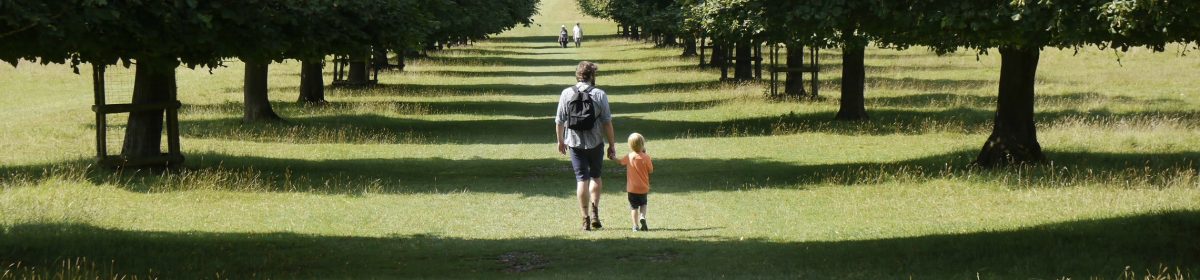
Set like a spinnaker in a south-westerly, here’s our drought-beating chard

From this autumnal end of the telescope, the past growing season – which we’d written off as disastrous – needs a more nuanced description. Yes the bindweed had a marvellous time, and the couch grass invaded from the abandoned allotment below us; the tomatoes in the polytunnel suffered in the unbearable heat and so it goes on. We were very discouraged and even considered packing it in; but Madame held firm and, in the light of our late harvests, things don’t look so bad after all. Once we’d decided to carry on, the obvious starting point was to clear the beds and prepare them for next spring. We made the decision to leave the borlotti and the runner beans on their teepees for a week or so to see if the scattered blossoms would bear any late fruit, and that was a wise choice because both crops came to life after the rain and gave us a smaller than usual but welcome crop. The late tomatoes set a big crop of unripened green fruits which we picked as we cleared the tunnel and stored in the warmth but covered in some black plastic. It seems they don’t need light as much as they need warmth and we’ve been able to replenish most of our stores of passata. When I came to clear the potato beds they too had bided their time and although the skins were a bit tough, (a common problem across the allotment this year), we’ll have plenty for the winter. Our apples, pears and plums gave us their biggest ever pickings – they were only planted in 2021 – and the strawberries which failed miserably have come back to life and are producing many strong runners which we’ll use to make a new bed over the winter. Today, fired up with energy, I set to repairing some rotting edgings and tending to a commercial blackberry that’s repaid a great deal of TLC with some new growth. The rhubarb too has thrived so – all in all – and supplemented by our stores of frozen, pickled and bottled food we shall look forward to the winter with confidence.

But every silver lining has its cloud and two days ago we had another break-in on the site and this time they came equipped with bolt-croppers and cut through the tension wires on the fence, making it easier to pass things into the lane. However they weren’t very bright, and neither were they very lucky it seems. None of us keeps anything except mostly old hand tools in our sheds and in our case they sheared off the padlock and then went away empty handed when they discovered a second mortice lock. They may, of course have noticed the trail-cam pointing in their direction and had a moment of enlightenment before they scarpered. Over the years we’ve lost hundreds of pounds worth of equipment, had the toughened glass in the greenhouse smashed and the polytunnel slashed. Our other problem is what we call ‘shopping’. Unknown people enter the site and steal fruit on an industrial scale. Trees are stripped bare. If we see people who shouldn’t be there we ask them to leave, but I caught a well dressed local restaurateur one sunday morning with several bags stuffed with stolen figs from our neighbour’s tree. Contrary to common sense – which is all too common but not in a nice way, and not the least sensible – there’s not a shred of evidence to support the idea that lawlessness is confined to hoodie wearers, rough sleepers and foreigners. How much carbon do they emit compared with the besuited occupants of huge child killing SUV’s which ignore the 20mph speed limit outside the allotments because rules, like taxes, are for the little people. Lawlessness is a societal and cultural problem, and so is homelessness, drug and alcohol abuse and it spreads its tentacles throughout the whole of society. The malignant spread of selfishness and greed has been given free reign for fifty years and it could take fifty years to repair the damage. Criminalising environmental protest, locking up pensioners for demonstrating against genocide and extracting millions of litres of water from the Thames and replacing it by pumping (poorly) treated sewage effluent back into the river is most certainly not the answer. Jobs, education, youth clubs, training for decent jobs, proper healthcare and housing for all, the fear and financial stress of the elderly taken seriously and adequate mental health provision for the casualties of blighted childhoods all these are the vital signs of effective governance, not more Big Brother nonsense from out of touch politicians. Do I sound cross ???

Q: Which of us would dream of letting our families starve because we wanted keep all our money for ourselves?

A: The kind of person who has utterly lost any moral sense of direction.

Mending the nets

Anyway, we bought a new padlock for the shed and spent a few hours in the sunshine working on the warm earth. It was lovely and as we worked I pondered the reason why so many of our crops survived the drought and heat waves. Last week Joe (our supplier) carried half a ton of manure down to our plot at the bottom. That’s been the minimum amount every year for ten years and my guess – what with all the other compost we’ve made and scrounged – is that approaching ten tons of organic matter has been added and worked into the beds which, when we took the plot on, were nothing but couch, bindweed, old carpets (don’t even think about it!!) clay and starved looking earth. Digging the potatoes before it rained, the earth was black and crumbly, smelt like earth should and was still a bit moist six inches down. Soil regeneration by increasing organic matter is slow, expensive and hard, but it works – and with climate change increasing its grip year on year (sorry, but think SUV’s again) it’s the only show in town if we hope to grow healthy crops to feed ourselves. I’ll finish with a photo of one of the cleared bed awaiting its food for the year, a layer of cardboard from our recycling area and a cover of weed-control mat. “Tomorrow shall be our dancing day”

Small harvest festival at the Potwell Inn?

And this isn’t the half of it. Its 7.00 pm and I’ve just finished processing the last of the tomatoes into 8 litres of passata. 10Kg of green tomatoes have gone to the freezer along with 10kg of damsons. We’ve already made shed-loads of roasted tomato passata and various chutneys so it’s been a great year. The Borlotti vines – as I mentioned a few days ago – simply rolled over in the heatwave; but the total yield of smaller beans was twice last year’s. We didn’t grow too much sweetcorn because the badger usually gets there first, but this year we erected a three layer fence around them and we’ve been eating them every day. More squashes – Uchiki Kuri and Crown Prince successfully completed the three sisters trio, although we didn’t try to grow them together after several years of trying. Apples are ripening – again a good year.

Our failures? Well the Calendula were a bit of a write off; the garlic bulbs were very small and the Courgettes and cucumbers seemed to hate the hot weather in spite of constant watering but the aubergines and melons sharing the polytunnel with basil and tomatoes loved it. The total yield of tomatoes was in the region of 150 lbs but we gave up counting . The wildflowers and herbs all benefited from the sunshine and, of course, the Mediterranean herbs loved the weather. The wildlife component was a complete success, with more pollinators and bees than ever before. Dragonflies, damselflies and bees and hoverflies were our constant companions and triggered the trailcam more than anything else. However we have filmed badgers, foxes, mice, domestic cats and rats – not to mention a roe deer one remarkable night. We’d love to set up a moth trap but sadly we’re so plagued by petty thefts we’d have to sit up all night with it.

So yes it’s been a wonderful year in spite of the weather; but it’s been a massive effort with watering, and then processing and storing. There’s always a bittersweet feeling as we complete harvesting for the year. It’s very early to be clearing beds but as ever the weather and the seasons have their own domain and we can only bend to their will.

What I miss, more than anything else, is the opportunity to share in thanksgiving. Obviously we can silently vocalise our thanks but there’s nothing like a public liturgy – which needn’t be at all overtly religious -but allows us to gather with our neighbours and say thanks. There’s a sense of glory in the air as we gather our crops together, but somehow our much talked about connection with nature has been ruptured over the past decades. Nature is something we all too often look at and admire passively at second hand. Eating a melon you’ve grown, warm from the sun is something else, and peeping into a store cupboard full to bursting with food for the winter and the hungry gap gives reason for hope even in a time of uncertainty and fear.

So I miss the giant marrows and the harvest loaf and the rejected apples, even with the rotten bits turned to the back out of sight. I miss the harvest festival where one of our wealthier congregation members once sorted through a pocketful of change and picked out the copper coins to put into the collection while the steward waited patiently. I miss the way that the unlikeliest people would turn up because they could see the point of it all, and I miss counting the hundreds of tins of food that were collected every year to be taken to a homeless charity and I miss roaring out the hymns that lurk somewhere deep in collective memory although we hardly share their feudal sentiments any more.

So the closest I can get to that public thanksgiving is here. As always I am utterly blown away and grateful – even joyful – because the harvest has come home – again – in spite of every obstacle thrown in its way.

Harvesting the Borlotti Beans II

Well, one unexpected outcome of the two recent heatwaves was that the Borlotti – obviously thinking the game was up – set their pods, fattened up their beans and expired. The leaves went from healthy green to pallid yellow in a couple of days, and that was that; an early harvest was forced upon us. The pods look a little shorter than usual, but all things considered it seems to be a decent crop. In fact one of this year’s features will probably be an early clearance of many of the beds. There’s a subtle difference between picking and harvesting and given that we intend to dry and store the whole crop we would definitely describe it as harvesting over and against picking the runner beans. Naturally we pick a few of the Borlotti as soon as they begin to fatten up and eat them raw off the vines; rich and earthy. We move the harvested beans, pods and all, into the greenhouse in mushroom trays, where they can dry out of the way of any rain; and then we’ll shell them, dry them a little more in the oven on a very low temperature, and then pack them into kilner jars away from the attention of any moths. A couple of seasons ago we stored them carelessly and lost about half a kilo of beans to small grubs. Of course we could buy them in packets from the supermarket but once you’ve grown your own, soaked and cooked them you’ll never accept anything less – they’re just so delicious and creamy.

The other plants that have come in early are the tomatoes in the polytunnel. We picked another 20Kg this morning and spent the rest of the day in the kitchen prepping them for oven roasted passata. The aubergines have suddenly started fruiting as well and so we’re in the happy position of enjoying the summer glut a couple of weeks earlier than usual. In fact nearly all the crops are doing pretty well considering the continuing drought. There are some pictures at the bottom of this post.

Is all this fecundity in the midst of a drought down to no-dig, plentiful compost and keeping all the beds covered with growing plants? It’s difficult to say for sure but our allotment neighbours who prefer a more regimented, clean soil policy, seem to have suffered more. Messy allotments keep their soil moist much longer.

The trail cam has captured a couple of badgers mooching about looking for sweetcorn recently, and we’ve seen a fox, numerous mice climbing the Calendulas to eat the seeds and a domestic cat. Overwhelmingly, though, the camera has filmed the intense activity on a clump of Nepeta – Catmint – with all manner of insects visiting during the day, and a variety of moths at night. The concerted effort to attract more wildlife and pollinators has been a great success and this last week a young half-fledged robin has taken to coming into the polytunnel with us, sitting quite confidently on a tub and darting down to catch insects and worms.

The annual battle to save the sweetcorn from badgers is in full swing now, and we’ve surrounded our small patch with sheep wire and soft mesh in the hope of keeping them out.

One further point that may be worth noting is that after growing numerous varieties of garlic over the years we’ve come to the conclusion that Carcassonne Wight enjoys our ground better than any of the others – and so I think we’ll concentrate on growing that variety in future. There’s much more to write about, including a trip to Birmingham to celebrate Madame’s birthday and a visit to Carter’s Steam Fair which bookended a day entirely lost to sedation after a routine trip to the hospital for an endoscope which apparently revealed nothing much too wrong – but all of that can wait for now because we’re both exhausted and completely tomatoed out !!