Modern peasant – part 2.

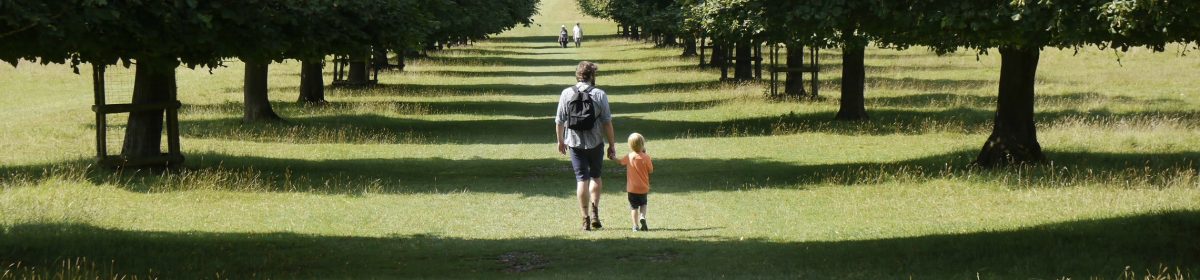
This photo was taken on the allotment back in 2018

Modern peasant – such a slick title, and I was really pleased with myself for dreaming it up and writing about it a couple of days ago. On the other hand I was a bit cautious about using it in case I was stealing the wind from someone else’s sails – so I Googled it and got back a string of academic references and a book title: “The Modern Peasant, Adventures in City Food” published in 2013 and written by Jojo Tulloh. I’m giving its full title for reasons which (I hope) will become clear and so you can get yourself a copy too.

As it happened neither author nor title meant anything to me but I was intrigued enough to order secondhand copies of two of her books which hadn’t arrived by the time I wrote my piece, and I wrote on, unaware of the resonances between her work and mine. When it arrived I started to read it and I’m now halfway through. It’s almost alarming to see the parallels and tremendously reassuring to think that a generation and 25+ years behind, our vision continues. I always look at the bibliography in every book I come across which has one, and anyone who can freely quote from Patience Gray, Jane and Geoffrey Grigson, John Berger, William Cobbett, Dorothy Hartley .. and so it goes on – someone whose roots are so deeply set within the same humus that inspires the Potwell Inn – I know I’m going to love.

There are books I’ve read which express something that so profoundly resonates with me I know I’ll read and re-read them. Patience Gray, for instance, is one such writer whose recipes express something much deeper; a philosophy of life. Bernard Leach’s book “A Potters’ Book” does the same thing. Hidden within the instructions and formulae is a whole way of being human that can move us on to a different track. I first read the Leach book in one session one summer day, leaning against the library shelf where I’d found it. I didn’t understand the half of it and even now, each time I re-read it I find something new that I never previously understood. That summer afternoon I knew I wanted to become a potter.

So this rather lovely book could be the manifesto for the way of being human that Madame and I dreamed of living out, getting on for 60 years ago. Bread making, fermenting, growing, rearing, foraging, pickling and preserving are the chapter headings beneath which lies a rich mother lode of personal memories. I spent this morning rescuing a batch of Tayberry jelly that refused to set. Tayberries lack pectin and it can make very sloppy jelly; good for rice puddings but not so good on a slice of bread and butter. My discovery today was that by increasing the boiling point to 105.5C – just one degree higher – the jelly (rather less of it) set perfectly.

It’s early winter and our storage cupboards are pretty full. Some crops went well and some not so well. Our weekend in the Brecon Beacons gave us the chance to share ideas, swap recipes and cook together with our oldest friends which is always an inspiring time and makes my creative juices flow. We tasted cheeses and helped to send pigs off for slaughter. Madame and I have brewed beer, grown crops, kept a goat, made terrible wine and maintained a flock of increasingly heterodox hens. Every page of “Modern Peasant” contained a reminder of our journeys in France, Portugal and Spain in search of food we’d read about but never actually eaten. The tripe sausages in a motorway service station near Lyon that tasted of shit were probably the worst thing we ever tried. In Portugal I had to almost fight a waiter to try Feijoada in the one restaurant that still produced it in its original peasant glory. The waiters were so amazed that they surrounded me and watched as I ate, and I swear I found a pig’s tooth nestling in it. In another restaurant a waiter refused point blank to sell me Stone Soup because, he said, I wouldn’t like it. I insisted and I didn’t – but at least I can speak from experience.

Ah yes, we watched handmade cheese being made in Wensleydale and we’ve now eaten our way through many of the artisanal products which have come back from virtual extinction. The Gloucester Services on the M5 have become a place of pilgrimage for foodies; unimaginable 50 years ago! The Potwell Inn kitchen has been assembled from all the recipes we’ve ever tried and loved. There are always two or three types of stock on the go, and the longer we go on the more likely it is that we will have the exact right tool for the job. Two or three times a week you’d see sourdough proving on the stove in a bowl that was given to us 67 years ago.

So yes I was excited, encouraged and inspired by Jojo Tulloh’s book, and if you live in a small flat in the middle of a city and long to discover your inner peasant, this lovely book will set you on the path for sure.

The Potwell Inn and the modern peasant

I’ll get to the dog later, meanwhile the fruits of a morning in the kitchen; some bread proving on the stove , some Tayberry Jam, some Dutch apple cake and a delightful but very hungry Bordeaux Mastiff.

Being a modern peasant

Like all the best thoughts, this one popped into my mind after a couple of days on the stove. Beaten back into the kitchen by 90 mph winds and repeated floods, we’ve moved into one of my favourite times of the year – the pre-Christmas cookathon. In the last couple of weeks I’ve made the Christmas puds, the Christmas cake and a Dundee cake plus a lot of experimental bread baking of which more later. There’s method in the madness because it involves emptying the freezer as much as possible to make room for the Christmas onslaught, as well as emptying the cupboards of all the dried fruit that’s been lurking in the larder since last year. I appreciate that the real focus should be on buying the new seasonal dried fruit that’s just coming on to the market but I’ve never been that organised. I’ve often mentioned here that I get the feeling I’m channeling my Mum when I cook the Christmas food. It was she who taught my sister and me to bake bread and make the cakes and puddings. She taught me to make Yorkshire puddings with an unforgettable demonstration of the specific gloppy sound of a batter at just the right thickness. I admit that I dropped the added bicarb in greens as soon as I could, but the basics were all there.

This mindfulness of the past is an essential peasant quality. Peasant consciousness is filled with connections – with seasonality; with location; with nature; and all of them forged into instinctive knowledge. My Mum could judge the approaching weather by looking into the sky and seeing what was going on over Granny Perrin’s Nest which I could never see! She’d never used anything other than an outside earth closet until she’d lived her first decade in the Chilterns. She knew the flowers by their local folk names which makes it difficult to know what she was actually describing when she talked about her favourite flower – Ladies Slipper – which is used for seven flowers in Somerset alone.

I hate the way we use the word “peasant” to denigrate people whose knowledge is so profoundly integrated and I much prefer the French paysan which embodies the sense of rootedness and place; of flora and fauna and of the knowledge of how to grow things well and how to heal them; how to cook and eat and how to move in a landscape without damaging it. Peasant speech is full of earthy, hard won wisdom – not from the latest scientific paper but from generations of experience. My Grandfather Tommy Cox whose family had lived in Stoke Row since the eighteenth century; so long that the village had both Cox’s Cottages and Cox’s Lane within its boundaries, would say of cow manure – “There’s more heart in a sheep’s fart!”. He was a self-taught carpenter who gave me my first slide rule; taught me how to use logarithms and helped me build my first radio sets. He was as far from stupid as you could get; the prototype of all modern peasants.

Peasant knowledge lives in the hands and fingers, in the senses of touch and vision, taste and smell; in the ability to mend and repair; to ride the waves when the going gets tough, in the collaborative community of mutual aid and barter. All this came back to me as I was writing my talk on AI and plant phone apps. Yes we can use the correct name – in Latin too – but do we even begin to see what my Mum saw? do we know if Ladies Slipper was an almost extinct orchid, or perhaps a more common Kidney Vetch whose specific name “vulneraria” suggests healing properties. Was she laughing because she knew the name, on that walk back from the Crown at Parkfield when the old man passing us described the Dandelions my sister had picked as “piss the beds”. She was the most larcenous mother in history. Any walk around a garden would see her dropping snaffled plant material into her pre-prepared handbag. My sister is still growing one of Mum’s liberated Speedwell plants on the steps outside her flat. Both of us inherited her love of gardening and both of us have had city allotments. We two seem to have inherited that peasant blood; of growing and eating our own produce and in my passion for hand crafts.

Meanwhile it’s been radio silence on the Potwell Inn blog, largely because it’s been a pretty chaotic time, with hospital and GP appointments (we are now both officially alive!); failed hot water boiler; four named storms; dentist appointments – we like to squeeze them all in while we’re not off camping; family birthdays; physiotherapy appointments; winter repairs to the camper van, a field trip to the Mendip Hills; writing a talk on artificial intelligence and wildlife phone apps which I gave last Tuesday to the Bath Natural History Society; and a four day trip to our friends in the Bannau Brycheiniog aka the Brecon Beacons – which is where the dog comes in. Last weekend we drove up to the Bannau to our friends’ smallholding. As ever it was a full four days which included loading a couple of pigs to take to the local slaughterhouse, and trips to Brecon and Talgarth where we watched a dozen or more Red Kites milling around in search of scraps from the local butcher who feeds them. Red Kite were a rarity a few years ago and now they’re fanning out across the country. They don’t kill their prey but are mainly carrion eaters – tidying up and reaping where others have sown. Recently we saw approaching fifty milling around a rubbish tip north of Rhayader and it can only be a matter of time before we fickle humans start to regard them as a bit of a nuisance and accuse them of stealing babies from their prams.

Much of the weekend was occupied by fun cooking, and we worked together to produce a lavish Sunday lunch from their own produce. Star of the show was a largish lamb joint which was placed on the side while we ate. Almost unnoticed the dog’s enormous head appeared silently above the counter and he took the whole joint in his jaws – slinking silently off followed by the irate owner and our friends who had nurtured the sheep. As Sam Weller might have said whilst describing a human kerfuffle in Pickwick Papers- “collapse of stout party!”

A revelation in the breadmaking department

I’ve had a breakthrough on the hunt for the perfect sourdough loaf. I’ve always gone with the prevailing wisdom (i.e. fashion) which insists that loaves should be bursting through their crusts with what’s known in the trade as spring, and with crusts as hard as hell that lacerate your mouth, and crumb that’s full of holes through which butter runs and greases your armpits. If it’s also got a pH around 2 and keeps you up all night with acid re-flux that just proves how hard you are. Of course some of these aims are mutually contradictory, for instance it’s virtually impossible to get anything other than a brick out of 100% wholemeal grains, and your four year old sack of flour bought during lockdown wouldn’t rise even with the addition of plastic explosive. As ever, ruthless orthodoxy is a blind alley with a big argumentative crowd of evangelical artisan bakers at the end.

What we’ve always wanted was rich sourdough flavour from a tin loaf with a regular cross section for slicing and toasting and a flavoursome crust with good colour which is soft enough to eat but adds to the whole taste – like the breakdown on good cheese; the bit between the rind and the main body which, by the way, I love. In search of this goal I just bought three black iron bread tins which are just fantastic – heavy and needing regular care but never washed. I bought a similar French crêpe pan twenty years ago which never ever sticks. But the real change was of mindset. I’ve always been the kind of cook who would slavishly follow the recipe or instructions in search of so-called perfection. But over recent years, and as my experience deepens, I’ve become more thoughtful; more creative and more willing to branch out. The arbiters of sourdough orthodoxy have always tended towards a ruthless rejection of yeast. Purity is everything – even though sourdough starters must naturally vary greatly. I’ve got two; both rescued from my own neglect; one (called Tigger) was grown from some dried flakes on a dead starter tub and the other (Eeyore) came from the impoverished and terminally sick original. Tigger took off like a rocket – hence the name, and Eeyore was always slower but after months of comparison bakings much nicer and better adapted to the Potwell Inn timetable.

The breakthrough came when I came across Ken Forkish’s book “Evolutions in Bread” and skimmed into a page that described adding conventional dried yeast to the initial sourdough batter after maturing it overnight. You’ve no idea how I resisted the very idea of polluting my sourdough, but I tried it with some leftover supermarket flour and to my great surprise the combination of black iron tin and a sprinkle of yeast halfway through gave just the kind of softer, moister texture with all of the genuine flavour that we were looking for. The photo shows the third batch using Eeyore starter, the heavyweight tin and my favourite organic traditional flour.

The talk

So finally, the talk to the Bath Natural History Society was last Tuesday and as luck would have it, I was speaking in the next door room to A C Grayling the philosopher. He popped his head around the door and I was able to offer my condolences for having to share the evening with me, even if we were in different rooms. He seemed to bear it bravely. As it was I had an audience of around 35 (I didn’t count) – including 3 Vice County Recorders and two national authorities – so anyone with more brains than me would have been intimidated but I was well prepared for a degree of hostility; AI raises very strong feelings so in full diplomatic mode I kicked off with a faked photo of a ghost orchid made (by our son) using Google Gemini. Things could only get better after that, I thought.

As it was the talk went pretty well – I wasn’t aiming at the experts but at the newer members who are quite intimidated by conspicuous upstaging in Latin. I treated it as a kind of seminar where it was acceptable to lob questions at the participants – only one of whom appeared to have nodded off. He paid rapt attention for the rest of the talk. Given that I’d had to teach myself an entirely new programme and use a bunch of software on equipment I’d never seen before, my feared wipeout didn’t happen and the presentation ended just at the moment I caught sight of Madame tapping her watch. What a coincidence!

Well I promised I’d report back

First attempt at the Ken Forkish method.

I realize, of course, that you may not be as fascinated as I am by sourdough baking; allotmenteering; campervanning; walking; field botany or green spirituality – and if you are fortunate enough not to be bothered by any of them I have no idea why you’re even reading this. My ordinary life would probably be seen as exceptionally boring by most sane people; but then, “ordinary” – to me – is completely fascinating. I sometimes stare at people in a way they might find disconcerting, because every human life is a limitless mystery even if it’s mostly taken up by stuff that’s never going to make it into the newspapers. Even our greatest idiocies and betrayals are crept up on an inch at a time rather than recklessly embraced in an eyes meeting across a crowded room sort of way. We fall in love and fall out of it again; laugh, bawl our eyes out and have cuddles that range from routine maintenance to OMG; love our children and hate them with equal ferocity. We indulge in self-pity and skulduggery, yet occasionally amaze ourselves with an unexpected act of kindness – so yes, I like ordinary, in fact I like it a lot more than exceptional or exciting, an attribute that probably places me on some kind of spectrum.

And having got that off my chest I can write that my new Forkish method loaf came out of the oven just before bedtime last night and it had pancaked spectacularly, exactly as I had anticipated. The whole method was a nightmare of never previously experienced textures; slimy; sticky; cold and wet like a barrel of pilchards. However that wasn’t the end of it because this morning when I hacked a lump off it and spread it with a lustrous layer of butter (I thought I’d better give it half a chance of delighting me) it had all of the rich flavour of my usual bread if a little bit (pleasantly) more acidic. The crust was thinner and much less tooth breaking than usual and the crumb – the actual inner, bread bit – was fabulous. The biggest failing was the collapsed shape which might make one giant flying saucer shaped sandwich if you sliced it horizontally through the middle. The only unforgivable fault was a stratum of flour that must have got there when I tipped more in at a late, panicked, stage and failed to mix it in properly. All in all it was a slow but encouraging first step.

I’ve only got one piece of black iron cookware in the kitchen – a twenty year old crêpe pan that’s never seen the washing up after hundreds if not thousands of crêpes and which never ever sticks. Sadly the new anti-pancake black-iron bread tin got lost in the post when it was sent from Wellington to Bridgewater and then unaccountably to Birmingham instead of Bristol so stage two of the sourdough adventure will have to wait. But even more ordinary screw-ups adorned the day with the blocked sewer downstairs finally being unblocked, but the hot water cylinder in the bathroom springing a leak. Madame was well grumpy by this time and we slept in an uncomfortable silence while the bathroom bucket filled a drip at a time with expensive warm water. On the plus side I had the first civil conversation ever with our landlord’s agent who, after years of getting annoyed with me, has realized that I’m not just grumbling about the black mould to annoy her. Later today we went to the van (you see how ordinary this all is!) and booked in at the garage to get a new cam belt fitted – an expensive job that had me searching the mechanic’s eyes for signs of dissembling : me thinking are you shitting me up? and him thinking (with his best poker face on) “he thinks I’m shitting him up; and him a retired Vicar!” There is, unaccountably, a six week minimum waiting list for this hideously expensive service but I don’t care – our campervan is what the psychoanalyst Donald Winnicott called a transitional object, although I think he had rather smaller things like cuddly blankets and teddy bears in mind. It gets us through the darkest days just by being there as a promise of better things to come.

Making my peace with winter

Frost and mist on the K & A

As it turned out, my brilliant idea of a trip on the canal was a lot more testing than I’d remembered from previous expeditions long ago. The boat – at 65 feet was hard work; like steering a blind carthorse through a minefield. Directions needed to be figured out long before they were undertaken because narrow boats don’t do anything quickly and steering from the unprotected deck in the persistent rain and wind made me feel like Socrates must have felt as the impact of the Hemlock spread through his body. My hands and feet became more and more painful and even regular offerings of Dundee cake and hot tea failed to move the dial.

The canal has become a kind of linear favela. An improvised substitute for non-existent affordable housing, untreated mental health and addiction problems and unemployment amongst young people. Yes of course there are posh well-found boats for second homers and even airBnB offers (check out the combination locks) and there are numerous canal holiday companies but an uneasy truce between the stakeholders looks and feels highly unstable. Then, recently, the number of permanently berthed wide-beam boats has exploded and can make life very difficult when negotiating a sharp bend. Even finding a mooring spot near any of the villages, towns or road bridges is a nightmare. You can tell the struggling boaters from the piled high wet logs, one wheeled bikes and scrap metal piled on the roof. It’s a sad reflection of a betrayed generation left to rot by governments who don’t give a shit.

The last day was by far the coldest and although the sun eventually broke through and dispersed the mist, I was on my knees as we pulled back into the boatyard. I’m getting a bit old for this malarkey. Our joy was complete when, after we’d loaded up the car, we discovered the battery was beyond flat; rather – dead. Luckily one of the engineers (we’d seen so much of them trying to fix the heating during the trip that they felt like friends) saved the day with a portable lithium battery.

But there’s always a plus side, and this photo taken in a quiet stretch between Avoncliff and Dundas shows the beauty of the autumn trees. The lone fisherman, by the way, gave us a short seminar on how boaters should pass to preserve harmony. He said that many boats tried to pull over to the opposite (shallow) side instead of holding to the middle – thereby stirring up the mud and ruining the fishing altogether.

I’ve always had difficulties with this season. The dying of the light drains the joy out of me and I seem to lose all motivation. But every year – I ought to know this by now – there’s a kind of Kübler Ross moment of acceptance and – as if a switch has been thrown – I feel OK again. I woke up at 5.00am on Sunday and paid an outstanding bill and then fetched my sourdough starter from its hiding place in the kitchen; unscrewed the lid gingerly and sniffed, expecting the worst. It was fine and a lightning bolt of optimism shot through me. Back during lockdown when everyone was making sourdough, the internet forums were full of newcomers suffering from starter anxiety and wondering whether it was even possible to take a break from feeding the ever demanding baby. Yeasts, I should say, are lovely, useful and tiny organisms and are rather harder to kill than Bindweed. I often neglect my starter shamefully – I’ve had it for well over a decade – and it still comes back and fills the kitchen with a delightful apple fragrance. Interestingly, no-one I’ve given it to has managed to keep it alive for any length of time. Has it micro-evolved to the exact conditions of the Potwell Inn kitchen? We’ll be off to the mill this week to get some decent organic flour and all will be well and all manner of things will be well once more.

So I made my peace with winter and spent most of yesterday walking (in my head) on the estuary of the river Esk in Cumbria where it joins the Irish Sea.

We were here in late August 2019 and I took a few photos of flowers I didn’t recognize. Five years later and my plan to organise retrospectively some of the 13,000 photos into a botanical database brought me back again in memory to this beautiful and bleak area, just south of Sellafield. The initial plan was to add Sneezewort to the file, but then I noticed another bunch of photos with nothing but a date and location in the EXIF data. First impression was that they were all pictures of Samphire except that when I looked properly it was clear that they were all three of them different plants and that none of them was Samphire. I should add that there was an abundance of Samphire around but that the proximity to Sellafield would make the eating of anything found on the seashore pretty dangerous! Anyway, in a very contented few hours I’d nailed all three and added them to the database; all of them shoreline and estuary specialists.

Sea Lavender, Sea Purslane, and Sea Aster.

Clack click; clack click – let’s think, let’s think – sings the passata machine.

High season for tomatoes (and Wrens)

We grow our tomatoes in the polytunnel on grafted rootstocks and with blight resistant varieties. It’s by no means cheap, but we haven’t lost a crop to blight in years, and having grown both from seed and from grafted rootstocks, the commercial ones, bought from a local nursery (so we can see what we’re getting) have a much higher yield and more than pay for themselves as long as we water them consistently and feed them with an organic seaweed based fertilizer. They ripen over a period which gives us plentiful fresh tomatoes in the kitchen but any surplus is quickly preserved. Freezing is very energy intensive, so we rely on reusable glass preserving jars with new metal tops every year so they seal perfectly. Our collection of Italian jars and bottles has been in continuous use for nearly ten years now. After several years of pushing the pulp through a sieve – which is very slow – we bought a cheap hand cranked passata machine which will easily mill six pounds of tomatoes in ten minutes, neatly removing skins and seeds which we don’t put into the compost any more because then we land up with hundreds of tomato seedlings!

The passata machine and the pulp. The pale yellow lumps are butter.

Depending on which part of the cycle the little spring loaded paddles have been assembled in against the sieve, the first few turns of the handle yield hesitant and irregular clickings. But as soon as the hopper is filled with peeled and chopped tomatoes and the process speeds up, it sounds to me something like “Lets think! Let’s think!” Each hopper goes through the machine five times, recovering first the juice and later the thicker pulp. Finally the skins go through because there’s a surprising amount of pulp still on the skins. At the end I have a deep pan half filled with passata and a shallow enamel dish filled with almost dry seeds and skin. It’s high summer and one of those grounding kitchen rituals which mark the transition of the seasons, just as marmalade making marks the end of winter and Christmas pudding, the beginning of it.

This kind of sauce making reduces our almost unmanageable crop of tomatoes to around a quarter of their original weight and prepares them for storage so they last more than a year. We make several kinds of sauce, but this one – which we simply call Hazan number one comes from Marcella Hazan’s marvellous book “The Essentials of Classic Italian cooking”. We also make straight passata and roasted tomato sauce from Pam Corbin’s River Cottage Handbook “Preserves”. Then there’s tomato ketchup from a 1950’s HMSO book and, if there are any leftover green tomatoes we make chutney from my Mum’s old cookbook. Nothing gets wasted at the Potwell Inn apart from (very occasionally) the Landlord.

Meanwhile Madame has been continuing with her years-long search for a ratatouille recipe that I’ll actually like. I was put off ‘rat’ by over-exposure to it on camping trips in the past, when it always tasted of methylated spirits from the Trangia Stove. However, because we’ve got all the fresh ingredients coming off the allotment at the moment, she has been experimenting from a whole pile of recipes and yesterday’s came from Delia Smith, but shares its DNA with a much earlier one by Jane Grigson. The whole aim is to create a dish that doesn’t look like pavement vomit. Simply boiling up all the ingredients into a wet and slimy sludge should be enough to get you a stiff fine for vandalism. Anyway, Madame’s latest iteration last night looks and tastes like the best yet.

But there’s more to it than that. “Let’s think ….. let’s think” sings the passata machine as I crank the handle.

I love this kind of seasonal cooking (and eating), and I learned about kitchen thrift from my mother and grandmother who understood food shortages from the experience of two world wars. But there’s more to it than that. “Let’s think ….. let’s think” sings the passata machine as I crank the handle. These seasonal earthings are incredibly important to both of us and at these times we work as a team in the kitchen. I suppose – if you suffer from the burden of believing that there are better or more important things to do with your time than press tomatoes through a sieve or make your own Hollandaise sauce – then you’ll miss the meditative thoughtfulness that repetitive kitchen work brings. The meditation strengthens the link between growing the plant, preparing the food and eating together.

Growing food, cooking and eating together are fundamental to thriving; much more – dare I say – than commodified health and conspicuous consumption. Pouring damson jam into pots brings the trees and their fruits to the table in the depths of winter. Making a wish over the Christmas pudding mixture is – at its very least – a wish for a peaceful future. Beating a mayonnaise or mashing potatoes will give a few minutes respite from endless bad news about riots and hatred. Baking bread means committing 24 hours to something of more moment than gossip.

My thoughts – as I crank the handle of the passata machine – are the spiritual equivalent of Mother Julian’s prayer that – “all will be well and all manner of things will be well.” The seasons, the moon and the tides wax and wane without regard for our existential angst. Whilst anyone with a grain of common sense will understand that we really cannot be anything we want to be, because our lives are a continual negotiation with nature and circumstance; we can still thrive by immersing ourselves in the flow moments when we know what it means to be human rather than spend anxious lives doom scrolling on our mobiles. Maybe the wooden spoon should be promoted to first prize?

The bindweed in the background should remind any gardener that the devil is always lurking in the background, waiting for an opportune moment

My green age

Imperforate St John’s Wort – Hypericum maculatum – on the allotment and occasionally used to treat mild depression but interacts dangerously with several other prescription medicines.

My friend Charlie (Professor) Stirton – formerly Director of the National Botanical Garden of Wales – sent me yesterday a copy of a talk he’d given to the Church in Wales in 2002. As ever I got about four pages in and stopped because he’d just given me a big thought – you know, the kind of thought that forces you to stop and, well – think; really think. Charlie does big thoughts – which is probably why I enjoy talking to him so much. Anyway, in the course of his paper he raised the issue of the way in which the Church (and I think he had society in general in his sights) is not very good at celebrating the great turning points in life with ceremony; what we in the trade call liturgy. So far so obvious, you might think, but what he drew from that – the occasions demanding recognition – went beyond the usual births deaths and marriages and talked about growing old. The crises of life; being born; entering puberty; falling in love, and possibly dying too – (although as Wittgenstein pointed out – “death is not an event in life”) – are all catered for, but growing old certainly is an event in life and for the most part we turn away from it; refuse to think about it and regard it as if it might be contagious. Can you even imagine your friends and especially your children wanting to celebrate the “dying of the light“? And so it becomes the thing we can’t talk about and it becomes the one major life event we usually travel alone. Yes we have hospices and they do wonderful work, but I’m not writing here about dying I’m writing about the autumn that precedes it; the inexorable minor irritations that can make us grumpy; arthritic hands and knees, irregular heart rhythms, vivid nightmares and the memories of old hurts and failures, loss of vigour and suchlike. Wisdom, sagacity can be a poor reward for struggling breathlessly up a flight of stairs and in any case the last thing most younger people want is the benefit of your accumulated experience. Growing old; the period between retirement and senility can feel like the prologue to an ultimate redundancy without compensation. A mystery tour where you see immediately the driver is as drunk as a skunk and the satnav has broken. What – really what is there to build a celebration around in all this?

But first, here’s a phrase that sticks in my mind from a lecture I attended many years ago. I was working as an Art Therapist at an old fashioned mental hospital. This was in the early days before Art Therapy had been codified, given diagnostic references and its very own theology. We had a talk from a professor of gerontology (the study of old age) and his opening remarks have never left me.

“Remember this” he said “…. “miserable young people make miserable old people”.

In other words – don’t wait to sort your shit until it’s too late. Or as Aristotle and most of the great religious teachers might have said more philosophically – human flourishing depends on right habits. So if you’re in your mid thirties – let’s say – in the years of your pomp – but not really enjoying life as much as you thought you would when you went after all those promotions and bonuses; don’t fall into the trap of kicking happiness down the road because the road might not get you as far as bucket lists and dream retirements. Right habits can be acquired but also need to be practised day by day. For some odd reason our culture teaches us to denigrate habits (boring and repetitive) but glorify feelings. However – sincerely believing that a very stupid or immoral act is right because it feels right – however sincerely that belief is held – is profoundly misguided. Doing the right thing demands consistency and practice so it’s best to start as young as possible.

So once you have reached the age when your inbox is looking less crowded, I think one necessary thing is to absolutely refuse to play along with all the OAP stereotypes. We need to find a form of what the Roman Catholic church wisely renamed as reconciliation in the late 20th century, which doesn’t even think about absolving us from all the hurt and shitstorms we’ve created in our younger days, but reconciles us to ourselves, our victims and and our lost and abandoned lovers. The dying of the light can only be accomplished well with a mind at peace.

We must learn to live completely in the moment, opening our arms to the occasional joys that come our way. Yesterday we talked to a friend whose sister had re-found love after a fifty year marriage followed by bereavement, but even a returned smile can make the sun come out for us.

Today, on the allotment we harvested courgettes, apples, aubergines, tomatoes and basil and, as I write this Madame is in the kitchen preparing supper for us; but as any gardener knows, we also have to weather our failures as well as celebrate our successes. This has been a truly difficult season and there have been moments when we wondered whether it was worth all the disappointments. But coping with failure without going under is a tremendously important life-skill – especially when the wheels begin to drop off.

But so far as Charlie’s challenge to find the equivalent of a marriage or naming ceremony to mark and celebrate the onset of old age as a distinct and potentially rewarding stage in life – that demands an enormous cultural reset. When I retired from paid work, I had a sweater made with the words “I’m not old, I’m experienced!” but Madame thought it was provocative (as if!), and I’ve hardly worn it.

So thanks Charlie – for an excellent question, and now I’ll get back to reading the rest of your presentation.

The lowdown on city centre streetlife

A local blogger posted a couple of pictures today rather like the ones above except that the left hand picture showed a pavement lined and ennobled by plants and the right hand saw the same picture with all the plant life taken out by the moaners and scrapers employed to humour tidy minded citizens. These two plants are respectively Knotgrass and Procumbent Yellow Sorrel, both eking out a living barely two centimetres above the pavement and inconspicuous with it – like all successful squatters; and you know how it is when someone passes a deeply upsetting remark without even realizing they’re being annoying. Like one of our neighbours who thought I’d be impressed by his decision to vote Reform in the recent election. I don’t think our blogger – one I follow and who is normally very sensible – thought for a moment that anyone would disagree with his settled opinion that “weeds” make the pavement look bad and upset the tourists. But urban plants are fascinating and I’d venture that they’ll get even more fascinating as the climate heats up and we all start to wonder what will survive global climate change. What lives on air, dust and heat ? What is it in their DNA that makes them such great survivors, and can we borrow a bit of it? Here are some more weeds.

So – left to right, Rue Leaved Saxifrage, Coltsfoot and the old Charles Street Telephone Exchange – all growing together. So tell me which of these three is the ugliest thing you’ve ever seen? I’m all for uprooting the building which was built facing the end of a lovely Georgian street under crown privilege and therefore bypassing planning regulations. Our backyard – an old builders yard – featured 47 species of weed last time I counted. Every year a council employee comes along the street scraping them all off – he used to spray with glyphosate; then they tried rocksalt and now it’s down to a sharp hoe. For the sake of setting the record straight, the plants all regrow in roughly the same time whatever the council do. In Oxford a rogue urban botany group started to label the “weeds” so that passers-by could see that they had names and often uses too. Brilliant idea but I daresay by now they’re all banged up in prison for discussing writing plant labels on a zoom call intercepted by GCHQ.

Of course you might find the mean streets of central Bath so upsetting that you can only traverse them by blotting out the noise with headphones and adopting that curious mobile phone walk, head down with the phone held out ahead like the prow of a ship breasting hostile waves. The other day we were in Great Stanhope Street and we saw a Lesser Black Backed gull attempting to swallow a rat whole, shaking it around to try and align it into a suitable position; an operation which caused the rat’s tail to wave around rather upsettingly in the sunshine. On the same morning we saw a pair of pigeon’s feet on the pavement – pretty clearly the remains of the local Peregrine Falcon’s recent meal finished off by a fox or a carrion crow.

Throw away the mobile distraction unit along with the headphones and you too could enjoy nature red in tooth and claw; share the outrageous joy of the carousing teenagers on the green and talk to the flowers whose worldly experience as survivors exceeds all expectations. The countryside isn’t a nature reserve somewhere outside the city boundary, nature is right here and we’re part of it.

Sea Spleenwort – living off Pepsi can, crisp packet, dog ends and McDonalds tray.
NB – no sea!

Being annoying isn’t just a personality trait – it’s a vocation!

Yesterday’s food from the allotment

City centre life is something of a competition between optimism and pessimism much of the time. Even in this impossible summer season the vegetables still grow and ripen; our best ever crop of Alderman peas – they grow vigorously to six feet and more and this year, for unknown reasons, we’ve escaped the usual infestation of pea moth. The pods are full of large, sweet, delicious peas of a quality that make you wonder if the frozen supermarket peas are even the same vegetable. The polytunnel tomatoes (Crimson Crush) are their usual vigorous and blight resistant selves, in fact the maincrop potatoes (Sarpo Mira) are also blight resistant and so we haven’t seen the ruination of the whole crop since we started growing them. We’re holding our nerve this year and growing all our sweetcorn in the tunnel – last year I transplanted them outside when they were 2′ tall and they too gave us a lovely crop because the badgers, squirrels and rats left them alone. The courgettes still try and rampage all over the allotment, but we’re ruthless with them. The only surprise is that pollintions have been generally good notwithstanding the desperate shortage of pollinators. We can’t claim any credit for the blackberries aside from training them along the boundary fence to deter night-time visitors. Unlike most garden cultivars the fruits taste great but the thorns are long and sharp enough to snag a rhinoceros.

That’s all on the plus side, but more negatively we have to cope with the usual inner city challenges thick and humid air; of night time overflights to Bristol Airport; constant ambulances and police cars driving past with warning sirens blasting; juvenile seagulls – temporarily grounded by their inability to fly back to their nests screeching for food from 4.00am, kitchen waste strewn across the pavements by urban gulls and foxes, noisy hen parties in the airBnb opposite with occasional glimpses of male strippers doing their thing, and then the ubiquitous semi conscious junkies, dealers, drunks and out of control dogs crapping unobserved by their owners who make sure they’re deeply absorbed by important business on the mobile rather than doggy business on the grass. Then, yesterday afternoon a squadron of jackhammers, bulldozers and heavy lorries started breaking up the foundations of the old Homebase site ready for another completely unnecessary block of overpriced and under spec flats. Promises to build doctors surgeries, primary schools and community facilities alongside low cost housing will be broken as always with the payment of a small fine to the local authority. The snagging for the redevelopment opposite has continued for years with missing damp courses, missing fire safety precautions, crumbling lintels, lime green slime mould on the faux Bath Stone walls, windows improperly installed or not fixed at all, and, (following a conversation today with a very upset owner) meaningless insurance. He couldn’t talk about it because it just made him emotional and depressed. Any word of protest will result in angry responses from landlords and Airbnb owners who would prefer you not to know that this is not quite the Paradise Regained promised by the publicity. Naturally, for a student of life like me, it’s a marvellous field for research and we wouldn’t want to live anywhere else! The weeds are fabulous.

My interest in Geoffrey Grigson (The Englishman’s Flora) has continued and I wanted to find out why exactly he’d managed to fall out with quite so many people. As someone who has regularly been told that I’m the rudest person they’ve ever met I thought he might have something I could learn to improve my technique. However it seems we are simply inveterate bubble poppers and can’t help ourselves when we’re confronted by mediocrity and dishonesty. His collected newspaper reviews* are tough going – far too prolix and dripping with anger aimed at other writers who are now (decades later) absolutely unknown – so they seem like a drastic waste of emotional energy. Far better to go for a walk and try to identify that tall Dandelion looking thing on the pavement outside. Most of the spanners, fruitcakes and halfwits will lose their reputations purely through the attrition of time. I’m aiming to disappear long before I’m dead, but the prospect of cluttering up the memory of a computer in the middle of the Mojave Desert with the Potwell Inn blog for all eternity amuses me, as I shall be asleep under a rock in a troutstream somewhere having completed my million words.

But hey, The Englishman’s Flora in spite of it’s Grandiose “The” in the title, rather than a more modest “An”; and its inappropriately sexist attitude to non male botanists is a really interesting and useful book that attempts (against all the odds) to unite the great ship of field botany with the other great ships of folk medicine, regional and local names and even witchcraft; all of which are heading off in different directions. It’s a book that hasn’t yet fallen for the daft idea that the pruinose texture of a Sloe in the autumn can be completely or even adequately described by a DNA string. Who’d have thought that there’s a member of the Stonecrop family called “Roseroot” which lives high in the mountains and whose roots smell of – obviously roses. Who’d have guessed that the odd looking Pineapple Weed, which lives in farm gateways where it’s guaranteed a regular hammering, actually smells just like a pineapple when you squeeze its flowerhead. For me this is not at all evidence of the hand of God, but of the awe inspiring, wasteful and aesthetically dazzling creativity of evolving nature.

  • Geoffrey Grigson – “The Contrary View” 1974

Natural Music

Seed head of Jack go to bed at noon aka Goat’s Beard – Tragopogon pratensis

I was pondering the other night concerning our instinct to describe nature in terms of quietness, peacefulness , meditative tranquility – none of which (for me at least) even begin to express its dynamism, ceaseless movement, busyness and fantastic, inexpressible diversity. Not the disconnected series of aesthetic ooh’s and aahs of the kind that so many TV natural history programmes seem to promote, but something more connected. When we got rid of the idea of god creating everything, we somehow lost the matrix that held everything together. In any case the old idea was redundant and too useful to the wrong kind of people but at least there was a coherent story about where we fitted in. Now the prevailing ideology has exploded us into a billion monads. One attempt at a remedy is to reduce nature to an aesthetic experience. I completely understand where nature as art gallery is coming from and I’ve got many thousands of photographs to prove it, but when we’re out walking together searching hedgerows and marshes; muddy tracks and field edges for flowering plants and suchlike, the overwhelming feeling I carry is of rhythm and flow, of complexity, timbre and key; of pace and time signature; of dissonance and assonance and the larger divisions of …….. spit it out! of music.

I don’t want to inflate this metaphor like a party balloon until it bursts; but I want to hold it there while I write about being here in West Wales and about being human – but most of all being human in nature. I want to put aside any thoughts of saving the earth or restoring lost species and any long lists of rarities in favour of that hoary old retreat favourite – of being in nature. Being in the moment is all the rage, but for me that’s like trying to listen to Bach one note at a time.

Small Scabious Scabiosa columbaria
Sheep’s Bit – Jasioni montana
Devil’s Bit Scabious – Succisa pratensis

Do these three look the same? They certainly do if you’re walking too fast; but don’t worry because these three photographs were taken in three different places over a period of seven years, and you’d be vanishingly unlikely to see all three side by side in one place. If you’re curious to know, it’s all in the stamens. Learning the plants takes years and is full of blind alleys and wrong ID’s, but what that teaches us is that being in nature is a process in which no single place is better, cleverer or more virtuous than any other and also that every place is full of possibilities even if you could count the plants you could name on the fingers of one hand. Where I was today at a field edge and finding a Bugloss plant, I was flooded with endorphins, a runners’ high. This was the place – to pinch a line from TS Elliot – that

“You are here to kneel
Where prayer has been valid”

There are thousands of plants I’ve never seen and probably never will; but we mustn’t differentiate between the rare and the common as if rarity bestowed some kind of patina of significance. I’ve been out botanizing with some folks who fire Latin names at one another like paintballs and boast of their thousands of records. Each to their own, I say. Since we can only attend to the Great Symphony of nature with all our senses; of sound and touch and taste and sight and smell – and here I’d add memory and imagination because nature works so slowly that some of her works are beyond the reach of the conventional senses; then it follows that every part of our mind is engaged. It’s the complete opposite of emptying the mind, it’s allowing it to fill with something other than ourselves. Embracing the Great Symphony is the work of a lifetime; many lifetimes.

Sea Carrot

Take a typical hedgerow, for instance. Those weeds at the front – the ones with heads comprising many small flowers sitting at the ends of umbrella spokes. Unsurprisingly they’re not always the same plant, they’re a procession of cousins from early in the year; each one pushing past its senescent relative in glorious green livery – one of them has the English name Queen Anne’s Lace -flowering and then setting seed, signalling its own disappearance until the next year. Depending where you live you might see Alexanders first, and then Cow Parsley, Hogweed and then (a bit trickier) Rough Chervil or Wild Carrot – there are dozens of them – some exceptionally rare and subtly different but each one challenging the false idea of the a solitary moment in an unchanging natural world. Searching for a musical comparison I came up with Bach’s Goldberg Variations. One aria to begin with – that’s the family, the genus if you prefer – and then the thirty variations each using exactly the same notes but changing the tempo and key whilst maintaining the theme. Listening to the Goldbergs right through is something akin to following the life of a hedgerow through a season. But then there are the grace notes – like the Stitchworts’ little shining highlights; Bluebells, Campions, Dog Roses and Honeysuckle. Later there are berries and some of them are delicious whilst others might kill you. There’s a restlessness and dynamism in nature. Tides and seasons; the length of days and the rising and setting of the moon can never be stilled by putting a pin through them and mounting them in a cabinet, and neither can we step out of that fierce river because

The force that through the green fuse drives the flower
Drives my green age; that blasts the roots of trees
Is my destroyer.
And I am dumb to tell the crooked rose
My youth is bent by the same wintry fever.

Dylan Thomas

If the aim of meditation is to back out of the flow of life, then I can’t see the point of it. If the initial premise is that we are always prey to living a shadowy half life working all day and satisfying our delinquent desires at night in front of the television, then I completely agree that something urgently needs doing. But the cure isn’t to hide but to embrace the flow, to step out into earth life and add our own bit of the song to the natural music that birthed us and will take us back again when we reach our own senescence. So seeking, identifying but above all enjoying the plants, the birds and insects; the mammals and the fish for themselves and as part of our own nature, is – quite apart from making lists and showing off to your companions – a form of fully engaged meditation which leads us gently away from seeing nature as a business opportunity.

That’s what I mean by Natural Music.

Down the AI rabbit hole part 2. Dandelion Days

Dandelion – Taraxacum agg. Harder to identify fully than you’d ever think possible

Late yesterday evening my son emailed with a far more comprehensive list of the wildlife mentioned by Henry Williamson in the novel Dandelion Days – grabbed up with his pro version of Google Gemini which is much better than my basic version when it comes to extracting text from the photographed PDF I found online. Far longer and more comprehensive but still nowhere near complete. It looks like the only reliable way of achieving a good result will be manually, which raises an interesting question. How important are lists anyway?

The point of trying to create a word cloud was to use it as a tool for unpacking Williamson’s relationship with the world of nature. I might think of it as a kind of Venn diagram where the two fields of interest – human and natural – overlap rather than glower at one another across a chasm of difference.

Lists are important to science of course, but plants have a good deal more interest than placing them in abstract and endlessly changing families. Plants can bring us almost to tears with their extravagant beauty; they can feed us, heal or poison us with equanimity. They can calm us or make us hallucinate; they can signal a whole culture (think leek or thistle), and signal the beginnings and ends of seasons, furnish feasts and famine, promote cooperation and strengthen community; signify the beginning and the end of life; bring us clothing dyes and shelter. Plants – and animals too – are among the most complex signifiers we have; from the scent of a madeleine to the smell of boiled cabbage in an evangelical theological college. To return to my imaginary Venn diagram, we humans are so deeply mutually inscribed with nature that the two circles meld into one seamless interdependence. Our history, geography and environment are mutual – The force that through the green fuse drives the flower / drives my green age (Dylan Thomas)

The Plough Monday that’s still celebrated in Elberton – one of my old parishes – is very different from the one below. It takes place in the parish church and the Ransomes plough (which had to be shortened to get it through the door) is carried in to be blessed by the Young Farmers. Some years ago I asked a local farmer if I could have a small quantity of corn to bless on the night, but when it turned up I was advised not to touch the bright blue grains because they were coated in a powerful systemic insecticide. Nonetheless the sense of community was always there – even on a freezing cold January night, as we celebrated the beginning of the farming year – more notional these days since many spring crops are sown in the autumn.

PLOUGH MONDAY was celebrated in the village in the third week of the new year, and Phillip on his last afternoon was able to see the strange procession. This rite had been held in Rookhurst ever since the walls of the first cottage had been raised from a mixture of straw, cowdung, mud and stones.The Ploughing Matches were held in the morning. At the far end of the field away from the spectators, behind the teams with their straw braided manes and tails bound with coloured ribbons, many birds screamed and wheeled; the gulls graceful and soaring, alighting with grey pinions upheld on a glistening furrow suddenly to seize a worm or a beetle-case; the rooks jostling and flapping sable wings, the starlings chittering and running with eagerness. Sweet chirrupings in the wake of the turmoil were made by the dishwashers, some of them winter visitants with slender breasts of daffodil, and all joying in the food turned up in the gleaming furrows. Bill Nye the crowstarver, and Samuel Caw his mate, a still smaller boy, were enjoying themselves during the Ploughing Matches, for repeatedly from the spinney in the Big Wheat-field, where with other boys they had a roaring fire, the clappers sounded with the clang of the rail, and the beating of tins and sometimes the hollow voices floating in the air.

Rookhurst rejoiced in the afternoon. It was a half holiday, and all made merry. The crowstarvers left their fire and turfed hut and clappers, and joined the revellers. Dressed in the skins of donkeys, and harnessed to an old plough with an applewood-share, they started off for the annual round of the cottage thresholds. Big Will’um, the bailiff, tall and gaunt and heavy- booted, guided the barefooted pair. He himself took long, loose strides; a boyhood in the heavy winter fields, dragging feet from the sticky clods, had given him a slouch. Every aged cottager, clad in best clothes, hobbled to his doorway. ‘Whoa, now, growled Big Will’um. The pair pattered to a then wheeled several times before the cottage, drawing the plough after them. The old people beamed, and nodded, and their gratitude when the corn-spirit had given its blessing. Now the garden would be in good heart for the year’s potatoes, beans, onions, cabbages, lettuces, the roots of rhubarb in the sun-warmed corner. The long black pig not get fever, but fatten well and perhaps reach a weight of twenty score. [400 lbs]

From cottage to cottage they passed, making as to furrow the ground before each one. George Davidson carried a blown-up pig’s bladder on the end of a stick, with which he belaboured grinning labourers and the padding donkeys alike. Ribbons were wound round his body, and a red paper cap was on his head. About a hundred children, men and women, many with cameras, followed the procession, accompanied by dogs of all sizes and breeds. Everyone was happy. Bill Nye had never grinned so much before, enwrapped as he was in the ass’s skin. He knew that a big good meal was at the end of it, and, with luck, a packet of fags and a pair of boots.

Willie felt proud that this was his village, so impressed was Phillip, who declared that he had never heard of such a glorious idea before. Neither Jack nor his cousin was able to tell him why the asses’ skins were always used by the boys who drew the plough. ‘It’s only done in this village, having died out elsewhere,’ said Jack.

‘It’s a jolly old custom too,’ remarked Willie. ‘At least as old as Doomsday Book.’

It was a survival of the rites of the corn-spirit practised since the first thought of man was to put the idea of a god into stone and food. Likewise at the harvest to eat the first-fruits was to have within the body the power of the corn; a survival, possibly, of instinct combined with early human reasoning: the practice of eating the conquered and, therefore, possessing his strength and cunning. 

From Chapter 20 of Dandelion Days by Henry Williamson, first published in 1930

April 2019 at the Lost Gardens of Heligan