Walking through nature and walking in it.

Falconer with a Harris hawk – taken 2 years ago

An intriguing couple of minutes yesterday. I heard a familiar commotion out on the Green and when I saw a crowd of very agitated seagulls circling in the air and filling it with alarm calls, I knew a once what was happening. It took a moment or two to spot the cause of the din and I saw the falconer with his gauntlet walking up the pavement before I saw the hawk flying from tree to tree, jesses trailing, but always keeping an eye on the fist that held the food. This was exercise with a difference because we see them fairly regularly working the green together and they may be taking part in an experiment to make the gulls feel too unsafe to build nests. The hawk never kills – is never allowed to kill – the gulls. Trust me, nesting gulls start their din at four a.m. in the summer and apart from the noise, they make a thorough nuisance of themselves in the tourist areas, hoovering up discarded fast food and leaving impressive quantities of crap as a receipt. The council have tried pretty well every conceivable tactic for discouraging the gulls, but this seems to be less cruel and much cheaper than climbing up to the nests and oiling or removing the eggs before they hatch.

even when the hawk swept past her almost at head height she never once looked up

But to get back to the point; whilst I was watching this moving spectacle I saw a young woman walking down the pavement dragging a wheeled suitcase behind her and carrying another bag in the free hand. She never once looked up to see the cause of the commotion, and even when the hawk swept past her almost at head height she kept her head down, loaded her case into the boot (trunk) and drove off.

Hawking purists rather look down on the Harris because it’s not a native UK hawk and it happens to be rather easier to train than some of the natives. We British are never happier than when we’ve got someone to look down on and so the Harris is generally thought to be a bit minor league – if only for the purists. Most UK bird books don’t even include it. As for me the sight of any hawk working is a thrill and the Harris is a big bird. You couldn’t confuse it with anything other than a hawk, but then its white tail stripe is an obvious giveaway.

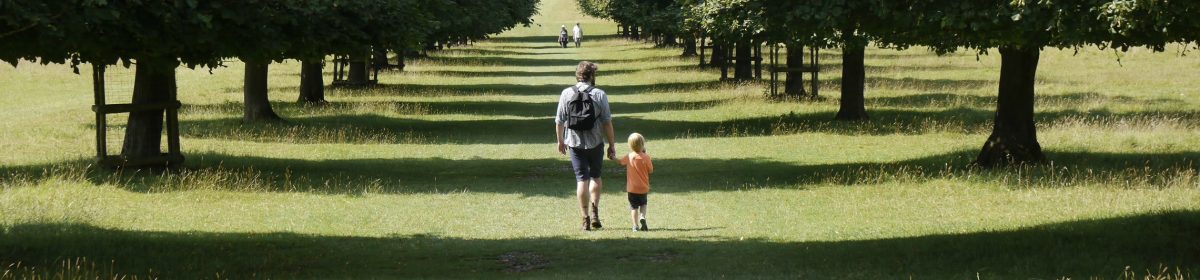
I’m indebted to Alan Rayner, a marvellous naturalist, evolutionary biologist and past president of the Bath Nats for the title of this post. We were out on a field meeting once and he used it to describe people who are too self absorbed, too quick, and too busy looking at their mobiles or fitness trackers meaningfully to enjoy an encounter with nature. Not to mount my soapbox yet again; I’ll just say that powering flat out down a towpath trying to walk twenty miles in six hours is unlikely either to result in a real encounter or a measurable change of mood.

There are many first encounters I’ll never forget. The first kingfisher on the Monmouth and Brecon Canal; the first heron that rose up from the pool behind behind a cornish hedge like a creature from the Jurassic age. The first red squirrel skitting along the horizontal branch of an old beech tree on my Grandfather’s smallholding in the Chilterns (back in the 1950’s) and then nothing until we went camping in France about ten years ago and there they were; oh and I should mention the first sighting of Madame at a CND meeting. We both long for a first sighting of the otters that we know patrol the river near to the Potwell Inn, but we haven’t yet dragged ourselves out of bed at dawn or stayed out leaning on the fence after dusk. Maybe we’ll fix a trail cam on one of the trees at the water’s edge where there’s a likely spot.

Coming back after one of our trips is always an odd time. The weather in Cornwall was getting fiercer by the day, and the campervan – being old and temperamental like me – was playing up. The long dark nights during which we had all the lights and heating running so we could carry on working was inexorably draining the batteries towards the point of no return and so we came back two days early and humped the batteries upstairs to recondition and charge them. Aside from nailing a couple of relative rarities (yet to be adjudicated) the new miFi system worked brilliantly, so for the first time ever on that campsite we were able to keep in touch by phone. My hopes of keeping tabs on the plants down the field path were raised greatly when we booked another two weeks down there in May. Back home the plants are nonetheless fascinating but perhaps a little less glamorous. However, beggars can’t be choosers and urban botany is all the more rewarding because the plants themselves are real survivors, eking out a living in the most unpropitious circumstances.

The journey home was pretty eventful too. We saw a car which had cut us up earlier , pulled over by no less than four police cars. Later one of the unmarked cars passed us at well over 100 mph shortly before we passed a mini engulfed in flames. Luckily the occupants were standing further up the motorway looking bewildered. Next up we saw five police cars perform a rather balletic stop by surrounding and slowing another car until it was forced to concede. The fifth car then blocked the motorway whilst a sixth, further up, led a slow traffic jam of cars and lorries to avoid a massive pile up.

So now there’s lots to do on the allotment and lots also to learn on this new computerised recording site. I haven’t yet given up on paper records, though. That would be to tempt providence!

Postscript

The air ambulance landed on the green a few minutes ago and already it’s gathered a crowd of onlookers. Sadly, these days it takes a helicopter and a seriously hurt human being to get our heads up.

First fruits

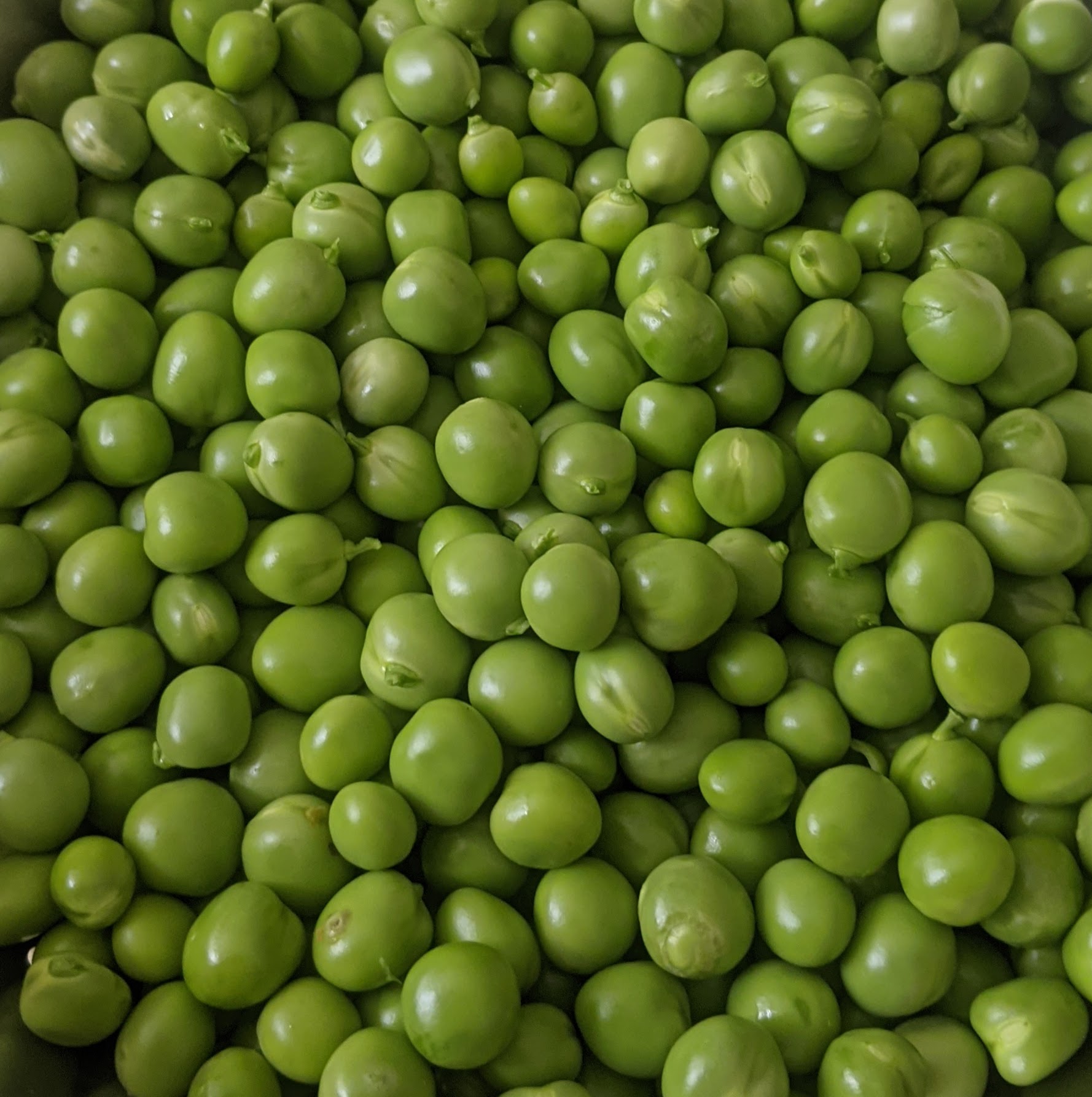
It’s a bit of a cheat to call these first fruits I suppose, but the parsley has thrived in the polytunnel along with strawberry plants, peas, lettuces and spinach. I’m sure we could have done much better in the tunnel but it’s been our first season and it’s a steep learning curve. The rhubarb is one of the treats of the early season and we eat it greedily, but there’s not a sign of the sweet cicely yet but the faint sweetness and aniseed flavour of sweet cicely really is the cherry on the cake – and since it was planted it’s appeared regularly. We’re really quite a long way from its home in the north so there’s always a possibility that it will give up on us, but it’s always lovely to see it poking its head above the earth.

Here’s another sign from a different setting. Away from the vegetable gardens the more decorative ones are just beginning to gather strength. During our stay on the Roseland peninsula we walked from Gerrans down the field lanes to Place – yes that’s the name of the place – Place. One purpose of the walk was to look for flowering wild plants, of which more later, but as we walked the last hundred yards down the narrow road we came across the splendid sight of the lodge cottage surrounded by camellias in full flower. Trad english countryside on steroids!

Place has a rather lovely house which is now in use as a wedding venue – there’s a photo left – which is built in such a way as to have the high tide reach the retaining wall of the lawn twice a day. Apart from that it’s a mud flat with a stream flowing down the middle, but it’s where we saw our very first Little Egret some years ago. On Tuesday we saw two there with a heron and the usual cohort of more familiar herring gulls having occasional scraps with the local crows. There’s also a ferry here in the summer that will take you to St Mawes where, if you like, you can catch a further ferry to Falmouth. Great for South West Coast Path walkers who don’t want to get too fussy about walking every little creek up and back.

The third setting for enjoying the early signs of spring is to watch the emerging wildflowers, and that was the main purpose of our walk. The final tally of plants in flower was around twenty. I’ve already written about my travails with the iRecord system which is quite difficult to master. I have learned to successfully add single records and I’ve even figured out the little triangular warning signs that accompany some of my (either) fanciful or ( remotely possibly) brilliant sightings. I reckon a little four inside a triangle is a clue that there will be some tooth gnashing going on somewhere.

Cow Parsley

My biggest problem has been to submit a whole list of all twenty five species in one go. They are, after all, on the same footpath. But this time the system defeated me and I appeared to accidentally delete all of my list twice! Ho hum. I thought I bore it very philosophically but I dropped a mild email to the overworked minders of the scheme and although no formal reply arrived back, I noticed this morning that they had been restored. It was very kind of them but unfortunately their helpful gesture resulted in a bit of double entry which could make the whole lot pretty useless for researchers. So I think I’ll probably have to delete the lot again and start from scratch having learned the point at which the software can’t follow my random approach any more. I will learn it! I really will – because there isn’t a better way of putting something back into the community than recording its natural assets. I’ll always be a footsoldier in the enterprise but going out and doing some field botany is all the more absorbing if you happen on something a bit different. It’s no use anyone saying “stick to dandelions and you’ll be OK” because you need a PhD to sort them out beyond the wretched “agg (regate)” status. An acquaintance in the Bath Nats was one of the authors of the standard monograph on the blackberry whose promiscuous sexual habits have resulted in hundreds of subspecies. Sadly it is not mentioned which ones are the best to eat. For that you have to go blackberrying and find a secret spot or plant a delicious variety in your allotment. The most ordinary things are boundlessly fascinating.

As we walked down the lane I noticed a tiny white flower shining through the undergrowth. I knelt down to photograph it from half a dozen angles so I could ID it properly back in the campervan. It was hairy bittercress – a very common weed, you might say – personally I don’t believe in weeds – but blow me down when we went up to the allotment this morning there were hundreds of them. They’d obviously been there all along but until I’d taken the trouble to look minutely at a single one them they’d escaped my attention. Hairy Bittercress – very good for improving your eyesight, but not by eating it; just knowing its name.

If there isn’t a tradition for this we should invent it!

Looking up Perquil river with Polingey Creek off to the right.

Winter always does this; luring us into dreams of long warm days before slamming the door shut with icy fingers. The clue was in the wind all along. As it moved around from southwest, the rainy quarter, a finger of high pressure on the map brought first the sunshine – but before we could rejoice, it carried on cycling through northwest, north and northeast until finally today it blew hard and freezing cold from due east. We dressed up like deep sea divers and waddled down to Portscatho to get some supplies; but once we were back at the van we got itchy feet and put on our boots and down jackets and walked the track down alongside the Percuil river and after mooching about for a bit near the boatyard we retraced our steps. We once paddled up the river on a rising tide in the kayak, but mistimed the tide and forgot a fierce onshore wind; paddling back all but spent. At one point it started to hammer down with rain and we laid in the boat and laughed ourselves silly; much to the consternation of our guide who clearly thought we were a pair of geriatric escapees.

Percuil – especially at this time of the year – is preternaturally quiet. The boats are all laid up for the winter and the summer sailors have gone. As we walked along the river we stopped frequently just to immerse ourselves in the silence. The deep sided valley sheltered us from the wind and even the rigging on the few boats left at anchor in the water was listless. All I could hope for was the song of a curlew, but we were denied that thrill until later in the walk when we were almost home. We did, however see a little egret feeding in the low tide shallows on the far side. We are the only campers on the site at the moment. Two others left this morning which was just as well because the cold weather and the fact that the days are still shorter than the nights has meant we’ve hammered the leisure batteries without which there’s no light or heat. So as the last van pulled out, we ran the engine for an hour to pump some juice back in.

But there was a surprise as we walk the last hundred yards to the boatyard because the blackthorn bushes there have started to blossom. Today there were only a handful of flowers but in a couple of weeks the abundant thorns will look as if they are covered in snow. For me they’re the real sign of winter’s ending and – as I’ve argued before – it’s more likely to coincide with the equinox than the first day of March. The couple of gallons of sloe gin we make; (for overseas readers it might help to know that sloes are the fruit of the blackthorn; tiny, hard and bitter as gall) – so the couple of gallons of sloe gin we make in the autumn have been steeping for almost exactly six months. The sloes go into the freezer for a week or so and are steeped in a mixture of gin and sugar. The skins break and the clear liquid becomes the richest purple. Initially the sloe gin is undrinkable and bitter. But after six months – like today, for instance, you can have a first taste. Fortunately for us – because we’re enjoying a period of abstinence at the moment – sloe gin goes on getting better and better for the next three or four years, So I suggest we invent a totally spurious tradition which, for the sake of making it sound truly authentic, we could call “Wettings”, and all get jolly and hammered at the equinox and share our plans for the summer. The person who brags the most gets thrown into the pond and has to say cuckoo instead of hello until the autumn equinox – for which I haven’t thought of a suitable ritual yet.

So it’s been a quiet but lovely day under grey skies and true to recent form I idly picked a stalk of grass that caught my eye on a stone gatepost and it turned out yet again to be a difficult one that hasn’t been seen hereabouts for maybe thirty years. So I dutifully took the diagnostic photos, filled in the record and paused for an hour before I pressed send – wondering if I really did want to make a fool of myself again.

So here are some more pictures I took today and one a couple of years ago to show the glory of full-on blackthorn flowering. The other two are the male and female flowers from a row of Corsican Pines above Percuil harbour. They certainly know how to strut their stuff!

Blackthorn in full flower – April 2021

Sunken lanes

There were 21 species of wildflowers that we found in a rapid count along our favourite lane here in Cornwall on Thursday. Today we took a long loop around the coast path and then finished by walking back up the same lane and I identified four more – ground ivy, hairy bittercress, germander speedwell and common fumitory. I have to say the fumitories are a bit of a monster to identify, but I think I got there in the end and there are now 25 entries in my list. Of course there are many more to come because plants sensibly arrange themselves to emerge in sequence through the growing season. Sadly we’re unlikely to be here to identify them all unless we come back every month – and with the allotment demanding attention that’s not likely to be possible.

Sunken lanes – and there are lots here in Cornwall – are an absolute joy to walk along and to look for wildflowers. We were blessed with a strong northeasterly wind today and although the sky was clear and the sun shone without interruption, it was bitterly cold along the coast path where there was no shelter. Northeast being an offshore wind, however, we were able to sit at the base of a rather dodgy cliff and enjoy the sea. When we turned up the lane we entered an entirely different microclimate. Sheltered from almost every direction and yet wide enough to be in sunshine for much of the day, it’s hardly surprising that many of the flowers we were finding are very quick out of the gate; stealing two or three weeks of early spring.

When I used the metaphor of an earth-sized PV cell yesterday I could have explained the idea better. Without the sun there would be no life on earth. Every blade of grass and every leaf of every tree is busy converting sunshine into carbohydrates – that’s to say that water plus sunshine plus essential minerals transported to plants by subterranean fungi make food for us and for every other living creature; and so at this time of the year I always sense the prodigious energy gathering within the earth ready to burst into new life. You can almost hear it on a day like today.

Winter wheat

I’m not going to nag about this. The way we abuse this annual gift is creating huge problems that we’ll have to answer for – soon and painfully; but the pain of giving up some of the things we’ve learned to rely on – mostly fossil fuels – could be offset to a degree by the re-enchantment of the earth. Wandering around bent over looking for mostly tiny plants might seem like a rum way of enjoying yourself on holiday, but don’t knock it if you’ve never tried it. The earth and her fruits get more lovely, more complex and more full of joyful discovery the closer we look.

It’s often a pain to identify a plant, but the exercise takes us deeply into their structures and processes; it is – if you like – a meditation on the thusness of nature. Drawing is another way. Gardening reminds us that at best we do best when we walk with the earth and her processes. It puts us in our proper place, and that place turns out to be very good.

While I was writing this Madame was drawing some cones from a Corsican Pine that we picked up on the walk. The two of us in the campervan, so absorbed in our work we didn’t even notice that it was getting dark.

Computer says no!

Having gone on – perhaps a little too lyrically – about the joys of big data in yesterday’s post; I came up against one of its limitations today. It was nothing; or it was something …… who knows, but it was a wonderful example of the way that – re-using the phrase I used yesterday – absence of evidence is not evidence of absence. Or to put it in more immediate terms – there is little to no evidence that the plant in the photo has ever been found in, or anywhere near, the Lost Gardens of Heligan – or even in East Cornwall. This may of course be because the gardens – being lost – cannot be invaded by this plant because it can’t find them. On the other hand, there it was in front of me on Wednesday, and all I knew for sure was that I’d never seen one before …… but it was almost certainly a form of comfrey.

So I spent quite a few painful hours checking and then double checking but, as an amateur, you have to hang your hat somewhere and so I decided it was probably but not certainly Symphytum bulbosa. The haunting possibility is that it’s something entirely different; so much so that any halfwit would have known its real name. Common as muck! Where have you been living, you botanical imposter. And there’s the crux of the problem. There are two possible outcomes to the conundrum and one of them is to submit the record to the scrutiny of someone who actually knows what they’re talking about, but who may dismiss me scornfully they may also be looking at the same maps, records and data as me and go on to say that tuberous comfrey simply doesn’t grow where I saw it and so, QED I was wrong.

Now this isn’t that big a deal – it would hardly be a hardly a paradigm shift if I turned out to be right; but the sheer inertia of the system resists change and for a learner like me, taking on a system is a really big deal. Nobody dies either way, whether I’m right or wrong; but if I don’t submit the record because I don’t want to rock the boat, everybody loses. I miss an important lesson, and the maps and data are just that little bit less accurate than they could be.

So I bit the bullet and filled in the online form; emphasising my lack of experience and humility (I wish!) in the company of experts and all that blah blah, and then spent twenty minutes trying to change a GPS reading from my phone to British National grid without realising that the programme accepted it either way. The only thing I forgot to fill in was the species name which by this time I had forgotten. So once I’d found the name again I filled in the form and immediately a red triangular warning sign appeared against the entry; I’d been flushed out before I’d even pressed the send button!

So there we are. My contribution to citizen science is out there, somewhere in cyberspace, awaiting final judgement by a recorder who may well be knackered and daunted by a stack of 10,000 records that they wished they’d never signed up for.

Today the sun shone. There was a stiff northwesterly wind and so we found a sheltered spot in full sun on the beach and I recorded some celandines and sea beet. At least I know what they are.

Heligan – the return

Crossing the jungle

Last time we camped here at Heligan the campervan leisure batteries – (and therefore almost everything else) -gave up and we spent best part of the week (it was February) freezing cold and huddling in the sleeping bags with only head torches to see by. This time we crossed all the T’s and dotted all the I’s and after a lot of maintenance work the van is restored to its full glory. Sadly the weather has been awful, with almost continuous rain, and so it’s been obligatory wet weather gear. Nothing daunted though, we’ve been out and about to see the spectacular beginnings of the magnolia and camellia blossom. The kitchen garden looks a bit like the allotment at home – all dressed up with nowhere to go. What we need, of course, is a bit of decent weather. It’s all very well the Met Office determining that March 1st is the first day of Spring, but for gardeners and astrologers, not to mention traditionalists, the equinox is the real deal. Someone should tell them that nature doesn’t read books – however well indexed. Those extra three weeks make a world of difference. Today as we walked the perimeter of the Heligan estate we could see all manner of leaves pushing upwards but relatively few flowers.

Gunnera plants.

For sheer horror you could do worse than film these Gunneras unfolding in time lapse mode. They might well have been part of the background research for Aliens and if we had the gift of standing completely still and watching for a month we’d probably need psychotherapy! So just to balance things out a little, here’s a Magnolia bloom representing the acceptable face of gardening.

Magnolia

Still it’s true that sometimes the most memorable finds are not the show stoppers, but the ones that nearly got away. I brought a new field guide down with me to try and I was anxious to give it a test run. Weather being weather it would have been hazardous to give it a first run in the rain – the Collins Wild Flower Guide is not for the faint hearted. Before we set out I weighed copies of the Rose “Wildflower Key” which came in at around 800 grammes. The Book of Stace was about 1500 grammes and the mighty Collins swaggered it at 1700 Grammes. You really need some thew to carry it around in your bag ……… so I didn’t!

Anyway, as we were wandering alongside the stream in the woods at the southern edge of the estate I spotted something odd, lurking amongst the vegetation, in this case mostly primroses in leaf. At first glance these tiny (3mm) flowers looked as if they belonged to a sickly Veronica; the leaves looked yellowish and chlorotic. But after I’d walked past a couple of clumps I could see that they were in full flower except the flowers seemed to have sepals but no petals – rather like tiny euphorbias. So lacking the book I took a couple of photos and did some research back at the van where I found that they were golden saxifrages – specifically the opposite leaved form – Chrysosplenium oppositifolium. After confirming it in the Collins WFG and checking the distribution on the BSBI online maps I felt brave enough to record it on iRecord. It’s not showy, it’s not in the least rare but I’d never noticed it before. Sitting in the van and uploading the record with the rain beating down on the roof, felt like a vindication of the day. There are very few activities where a complete amateur can make a difference, and when it comes to the destruction of the environment we need witnesses. Witnesses that can put hard, verifiable records up against the magical thinking of the climate change deniers.

And that’s also why it’s worth recording even the humblest and most common of the plants. If I have a beef with natural history films it’s their tendency to stress the spectacular over the mundane and wrap every living creature into a homesy narrative overwhelmed by overblown musical scores. Natural history as folk religion.

When you think about it, rarity and scarcity are not quite synonyms. Living organisms first become scarce and only then do they become rare. How will we know when an old familiar friend is becoming scarce if we don’t record them when they’re plentiful? Ten thousand records for lesser celandines seems about right, against one for the ghost orchid. But if no one ever recorded the ordinary everyday plants we wouldn’t notice until they almost disappeared – like the cuckoo! Today, standing in the woods, we heard a woodpecker drumming. As a child on my grandparents’ smallholding in the Chilterns, such a sound would have been commonplace; but today it made my spirits leap. In the 1950’s my squirrels were all red squirrels. My grandfather was doing his best to shoot the greys, for which he was paid a penny a tail, I think. It didn’t work, though, and now we have to travel afar to see them. After another rainy day here tomorrow, we’re off to a site on the Roseland Peninsula with a more promising weather forecast.

It’s been an additional pleasure to write this post because a couple of weeks ago we decided to lash out on a portable WiFi router that runs on a data SIM. It seems to be working very well with all our laptops and phones networked and able to stream video. I think it’s known as a MiFi system. Anyway it works for us – so no more standing out in the wet trying to get a signal. With campsite WiFi here costing ÂŁ15 for three days and not even functioning very well, it’s goodbye to tethering and hello to happy days.

All tooled up!

Gosh we’ve been busy getting ready for the next trip. I think I’ve finally got the courage to start officially recording some of the plants we hope to find and so it’s been a rush to gather together all the tools and to figure out how to use them. So I hope you’ll forgive me for failing to find a ghost orchid or anything remotely rare but settling on an ubiquitous weed like couch grass simply to check on some ID keys and test out the macro extension lens on the phone; and I’m feeling ever so pleased.

There’s a bit of a knack to taking photographs for plant ID’s because they need to capture as much as possible of the kind of technical information you’ll definitely wish you’d recorded when you get back to base; things like grid references and what kind of soil and light conditions not to mention – in the case of grasses – all manner of obscurities concerning ligules, auricles, lemmas glumes, stolons, rhizomes and spikelets. So while we took a break from planting out broad beans I pulled a lump of the revolting weed out of one of the allotment beds and tried to remember all this stuff as I took the photos. I know it’s all a bit technical but there’s something very lovely about grasses because they hide their differences so completely. Half a millimetre can be important. This reminds me of one of my theology tutors who used to run what he called CAT sessions – close attention to text. We discovered that the really important understandings demanded time, attention and focus. Drill down hard enough and what appears to be a uniform field of grass can become a garden of delights. Don’t knock it if you haven’t tried it!

The other bit of plant recording I’ve had to learn is the software. There’s a mountain of data out there in databases which must have taken millions of voluntary hours of recording and checking. OK I’m a complete nerd but I think I’m happier growing and examining plants than I am frothing at the mouth while I scream at the television. So couch grass became a rehearsal for the really good stuff which I’m so looking forward to finding this season.

Later, just for fun, I dug into the herbals and discovered that however much we gardeners loathe the stuff there are people out their who are prepared to pay ÂŁ10 for 100 grammes of the offending roots. By all accounts (and lacking any scientific proof as far as I could find out) couch roots have some healing properties. By my reckoning there must be many thousands of pounds worth of herbal remedy underground at the allotment site but the sheer agony of digging it up would need the price to go a lot higher than that. It is, however, the most tremendously vigorous plant. I read later about an experiment where 20 week old couch tillers grew 5 metres – 15 feet in a few weeks while throwing up over 200 buds. Oh to think that it’s an incomer brought in centuries ago. My mum was an inveterate smuggler of purloined cuttings from every garden she ever visited – perhaps it was an ancestor of hers that brought the wretched weed here.

Anyway, the kit is assembled, tested – and we’re ready to rock and roll this season. Fortunately while I crawl around in the dirt in lovely places, Madame will be bingeing on drawing with ink and bamboo pens; inspired by David Hockney’s latest book. In the background I can hear our waterproofs taking an interminable time to dry in low heat after being re-proofed. We’re optimistic but not reckless.

What’s your movie?

The heading at the top is the title of a very good Mose Allison song – “What’s your movie?” – which takes the mickey out of people who build their identities out of film characters. Although I love the song and laugh out loud at it, I’m also aware that none of us is able to escape the temptation to weave a narrative around our lives. The problem is that we don’t need to be even remotely out of the ordinary to be able to weave multiple narratives. So with that caveat, please welcome my first ever botany book – Warne’s Wildflowers of the wayside and woodlands”. I think I must have bought it in my late teens and – truth to tell – it was never that much use. The illustrations were miles away from the plants they depicted and the resolution was so poor that at best they gave an impression of the plant; and fatally – there were no keys at all apart from some line drawings sorted by the colour of the flowers. I had no technical knowledge of plant families and so the only means of naming one was to laboriously turn the pages until I found something that looked like – even vaguely like – the plant I had in front of me. Madame will testify that this made for very slow and exquisitely boring walks on her part. Consequently – much as I’d like to – I’m unable to construct a credible narrative around my career as an amateur field botanist. My movie is more like an inconclusive list of rough drafts and false starts that should never have seen the light of day.

However the passion for observing and naming plants never went away and over the years I’ve accumulated an unholy number of books, most of which were totally beyond my comprehension when I bought them. Over fifty years I sort of caught up with most of them whilst simultaneously throwing myself into the pit of incomprehension by buying yet more.

Yesterday I got lucky and found a copy of the out of print New Atlas of the British & Irish Flora, for ÂŁ34 on the Oxfam website and it was while I was pondering where I was going to find a space for it that I found my battered old copy of “Wayside and Woodland” languishing behind a row of more prestigious looking volumes. When I opened it, I noticed the long dead vetch flower – brown and flattened – which I must have stuffed in there pending further investigation. In those days I hand no hand lens and no other way of taking it any further. It took several years longer to buy one, and I borrowed my first microscope only two years ago; and still the flower sits reproachfully in the book like a photo from a holiday romance, wagging its finger and asking what took me so long? I was utterly vexed by veronicas and distracted by dandelions and daisies. Any self-taught botanist will tell you it’s a prolonged agony of blind alleys and mazes.

And so I have passed the three consecutive Atlantic storms that squatted on our horizon and tormented us this past week- by mugging up on grasses, gathering my kit together, re-registering on iRecord and assembling my field guides ready for our first proper plant spotting trip down to Cornwall. Cornwall is early and later we’ll move up the West coat of the UK as far as North Wales hopefully catching the same plants several times. Suddenly I’m energised and better prepared than ever before. I watched three of the brilliant BSBI webinars on grasses and then ploughed through the introduction to the BSBI handbook on grasses, looking up all the terms I still don’t fully understand. This is a bit of a grudge match because during a field trip with the Bath Natural History Society, I mentioned to one of its luminaries that I found grasses difficult. “Oh” she said – “Grasses are easy!” She’s a brilliant and normally patient teacher and I’m pretty sure she’d intuited the fact that I can’t resist a direct challenge. Gradually, after three years – two of which were wrecked by COVID – I’ve made a small start – decades after I should have done.

Ironic isn’t it? Just as I’m beginning to get my act as a field botanist together, the proper botanists have retreated to white painted rooms, DNA analysis and electron microscopes. I can’t tell my haploid from my diploid and neither do I have the faintest idea what a palisade variant of non Kranz (C3) anatomy might be (actually I’ve an idea it’s to do with photosynthesis). My dearest wish is just to walk through a flower meadow and greet each of its inhabitants by name. My biggest fear is that I’ll be among the last people to be able to do so.

Hello Eunice

Lizard Point – in 2014

It’s not so much that we’ve never had weather like this before. The big difference is that severe weather is afflicting us more frequently; and so although I could try to support the ‘argument’ that climate change is fake news by citing this photo taken in 2014 and claiming that the weather has always been like this the only fact that matters is that there are many more extreme weather events than we had in the past, and it’s not down to sunspots, 5G telephone masts or Russian hackers it’s down to our profligate use of fossil fuels.

And so yesterday we were up at the allotment trying to make everything as secure as possible and then we went to the campervan to make sure it is as safe as we can make it. It’s parked within a hundred metres of the Severn Beach sea wall which, today , is the subject of red alert weather and flood warnings. Spring tide + force 10 winds always equals a storm surge so we’re paying constant attention to the mobiles for alerts . We once lived at the tidal end of the river Avon when we had the same combination of events combined with a snow melt and I’ve never seen water rise so rapidly, or menacingly. It was eerily silent as it topped the harbour walls and raced across the road towards us. Mercifully it stopped rising just a few inches below the point at which our basement would have flooded. This morning the only damage so far seems to be a flying fence from the Air BnB opposite the flat; and the scratches and dents were confined to the car which was abandoned by a previous tenant who took care to remove the plates before dumping it. At Green Park Station the glass roof – which was already in a precarious state – is shedding panes on to the ground, so probably no farmers’ market tomorrow. Ah well!

This week we’ve had two named storms; the first, Dudley, affected the north of the country but today’s storm Eunice is all over the South West. It kicked off at about 7.00am and built to crescendo during the morning. Apart from the flying fence the only other casualty looks like a smallish tree across the green. These winds growl and search at the windows with a real malignancy. Opposite my window as I write this, there’s a 20′ extractor chimney above a burger joint that’s become semi-detached at the top and is waving around alarmingly. It’s all very scary.

So the question is – how can we live sane, flourishing and fulfilled lives in this insane society – or should we even try to do so? Years ago we were at the much missed Bristol Flower Show when we encountered a man in a wheelchair who’d had both of his legs amputated. He was being pushed by his son who had lovingly attached an ashtray to the arm of the chair with a jubilee clip so that his dad could carry on smoking, having no feet to stub out his dog-ends. Obviously it’s not sensible to be angry or berate either the man or his son for assisting the habit that was so obviously killing him. My reaction was to feel overwhelmed by a strange kind of hopeless compassion for someone who was being slowly killed, not entirely through his own idiocy but through human weakness and a powerful culture created and funded by the tobacco industry.

I don’t want to spend a moment more than necessary being angry. How much time am I prepared to waste on shouting at the television and frothing with indignation – because that too is a killer! Most of us have a role in the decay of this society. We’re all a mixture; somewhere between the son and the father; and so we’re all both victim of climate change as well as being part of the problem. Nothing suits the fossil fuel lobby better than a situation where we all blame and fight against one another; cyclists against motorists, vegetarians and vegans against omnivores, city dwellers against farmers – and so on ad infinitum. In the end we all have to live in each others’ crap so let’s forget the squabbles and go after the real villains and their stooges in the press and in government. It seems to me that one way of changing things is to make sinning as difficult as possible. We should be hitting the fossil fuel corporations where it hurts them most – in the bottom line. We should go after their lobbyists – naming and shaming them for pandering to their employers. Public scorn – as we are seeing at the moment – can really wound the powerful.

But we needn’t be angry – it saps the soul. With the allotment, the campervan and a hand lens in my pocket; and with a copy of the Tao te Ching somewhere to hand – I can live as sane, as flourishing and as fulfilled a life as is granted to me. Who could ask for more?

Postscript

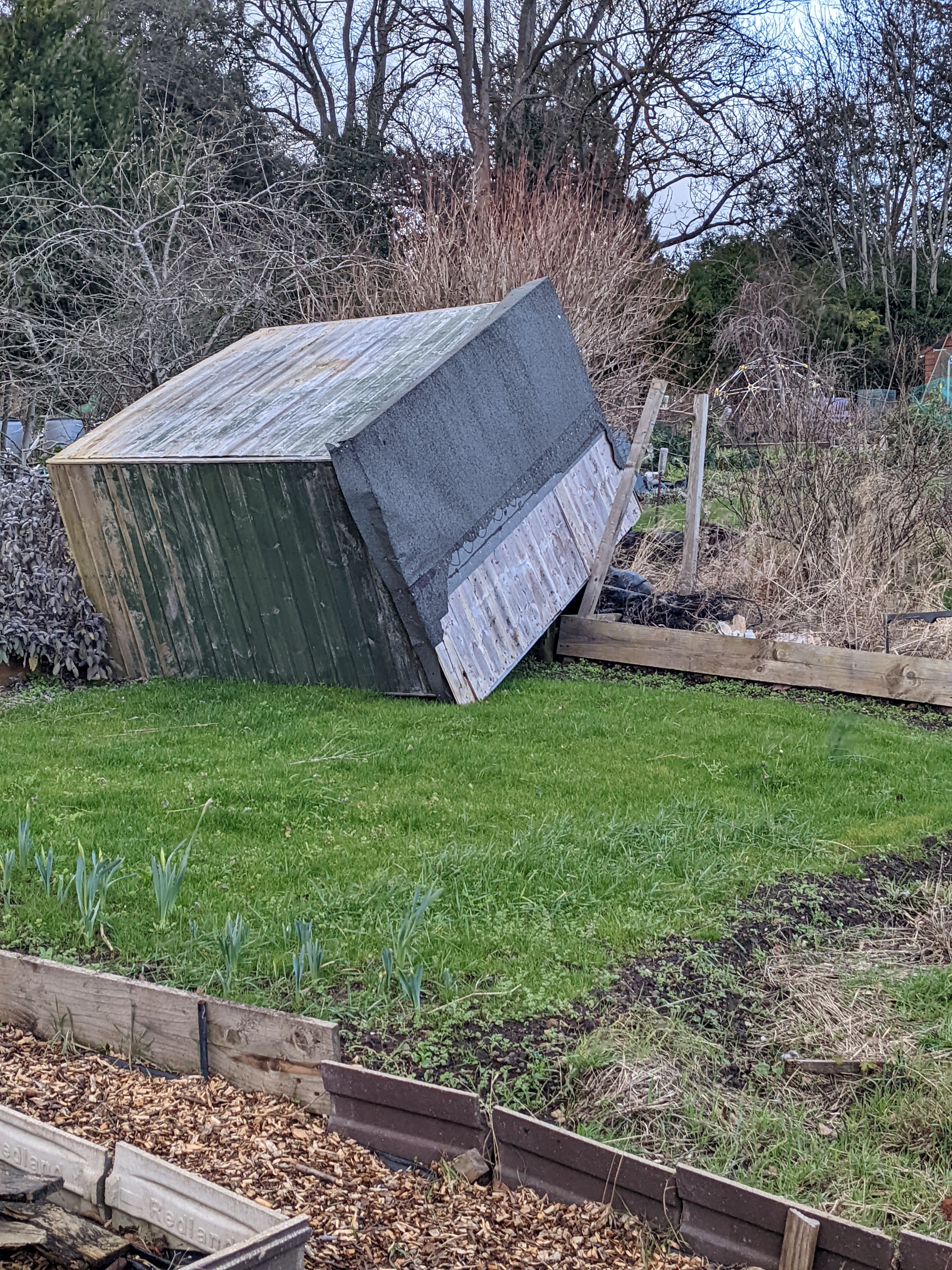
Once the red alert had dropped to amber we went to look at the allotment and noticed a number of roof tiles near the entrance to the back door of the block where we live – any of them would have killed someone walking below. The allotment was completely hammered, with overturned sheds and broken greenhouses. Lots of glass flying about obviously. Our plot was mercifully intact but others were a sorry sight. The flood alert affecting the campervan site continues until tomorrow but we’re hoping with less wind and a smaller tidal surge we’ll be OK.

“Do not go gentle into that good night” – first, clear up the mess in your head!

The vandalizing of the allotment at Christmas knocked the stuffing out of us. Aside from the feelings of vulnerability which are inevitable, I suppose, the replacement toughened glass for the greenhouse has been difficult to source and the whole area inside and out needs clearing of broken shards. The polytunnel – less than a year old – is now patched with tape. In fact we were so knocked off course I mooted the idea of giving up the allotment and working as volunteers in a community garden – it’s fair to say that one didn’t go well with Madame. We discussed whether to step back and grow more perennials and fruit, which need far less attention, so we could spend more time away in the campervan. That was one of the underlying reasons for trial renting the cottage in Cornwall; selling the van would pay for a lot of holidays.

On the other hand, the campervan brings us the freedom to travel as and when we feel like it, without booking months ahead; and it’s bought and paid for – although storage, maintenance, tax and insurance can mount up unpredictably. A van is a very costly bit of kit – especially when it’s sitting outside in the rain rotting away gently at roughly the same speed as we’re getting older. Two years of lockdown had given us plenty of time to reflect on what the van gives us, and it’s clear that it’s become essential to us. When we’re away we sleep better, walk and explore more. I treasure the time and space to turn on my botanical eyes so that plants I’ve never seen before suddenly become visible. We find time to talk and reflect and – if I’m honest – carouse and drink wine and abandon the ghastly effort of acting our age. You can’t do this when your children (and grandchildren) are around because it makes them cringe!

The net result of the holiday was a kind of mixture because we decided that we would keep the van and try to take much more time away in it, as well as carrying on with the allotment and on meeting up with friends we’ve not seen for two years. Last week we lashed out on 4 new tyres and windscreen wiper blades – they hadn’t been replaced in over a decade, and a new (yet to be installed) WiFi aerial and router to get over the constant lack of signal when we’re out in the wilds. In any case the old satellite dish is so enormous we look like a TV outside broadcast van in spite of the fact that – large as it is – it can’t see past a tree with leaves on.

I think any allotmenteer will recognise that feeling when the plot isn’t going well and you almost dread the thought of going to it. As a seasonal (winter) melancholic I often have to force myself to get off my backside and do some work. On the other hand any allotmenteer will recognise that once the work is in progress there’s a tremendous sense of wellbeing: why ever did I make such a fuss? you ask.

Truth to tell, though, I think it was the greenhouse bringing me back to life

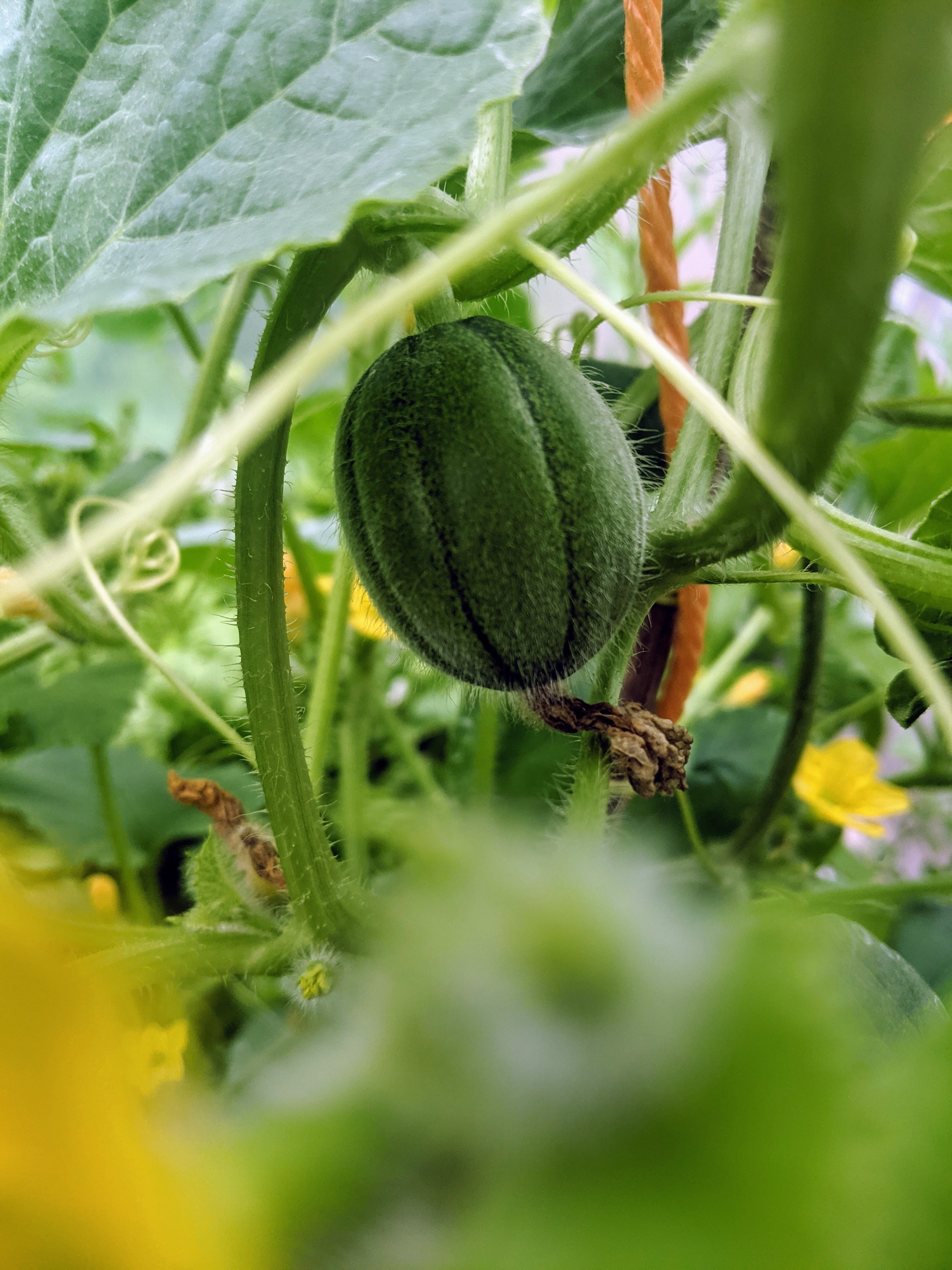
Yesterday the sun shone and we went to the plot where I cleaned up the mess in the greenhouse while Madame weeded and tended the polytunnel. Safety glass shatters into a million fragments and so kneeling in a confined space with so many sharp edges around needed extra care; however after a couple of hours the greenhouse was clean, safe, and relatively tidy and I was surrounded by reminders of past seasons like root trainers – empty and stacked neatly in their containers. Is there a psychological term for that warmth that spread through me as I worked there? Previous notions to replace the glass with polycarbonate sheets seemed to fade and I began to think – ‘let’s replace and restore it properly, otherwise the vandals win. It’s depressing seeing the greenhouse, shrink wrapped in weed control mat, bits of black polythene and duct tape, so let’s bring it fully back to life.’ Truth to tell, though, I think it was the greenhouse bringing me back to life. As we worked there in our usual contemplative silence it was obvious that the allotment was as essential to us as the campervan. Madame had a long conversation with a fellow allotmenteer whose home built polytunnel had also been slashed and he told her that watering for us while we were away in the summer was an especial pleasure because the perfume of the ripening melons, basil and tomatoes filled the tunnel. As soon as we got home I turned to the photos on the laptop and I knew that there’s no way we we can thrive without growing food. Without the allotment we shrink; our souls starve.

We’re growing old, so there’s not so much time left we can afford to waste any of it. We’ve been inseparable since we met when Madame was fifteen and the prospect of our eventual infirmity and even separation hangs over us. The earth, our earth, becomes more precious as we share in her processes and dimly understand her grace and complexity, and although this might sound counterintuitive to a much younger person, it gives us comfort. We can’t win the environmental battle without a revolution fired by collective action. So long as we’re governed by wilfully stupid, squalid, and greedy governments none of the actions we know we need to carry out, will happen. Lying awake at night in a fury because they have just licenced the use of poisonous neonicotinoids to protect sugar beet – and who needs reminding that excess sugar consumption is killing and maiming millions of people? – well, it’s a waste of emotional energy.

So long as we have our wits, and enough physical energy to do it we’ll grow food and travel whenever we can so that we can record and enjoy the natural world in all its ludicrous generosity; write about it, photograph it and draw it. What’s happening to the earth demands witnesses because without witnesses there will be no time of reckoning. So no – we won’t be going anywhere quietly, thanks!