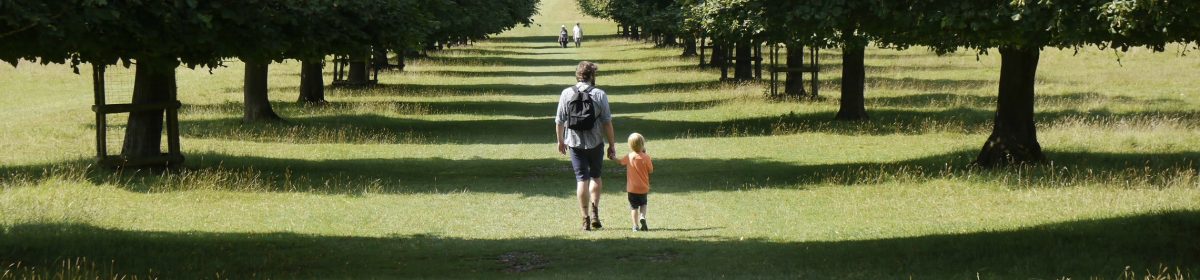


I don’t seem to take many happy families photos or snapshots of the pier at Weston Super Mare – in fact I think I’m a bit of an old stick in the mud or, perhaps, all those church teachings about it being sinful to enjoy anything threw some switches in my DNA and I just can’t help myself. Of the thousands of photos on my computer the vast majority concern plants, flowers and locations. They’re all catalogued and recorded and tidy – although anyone who’s seen my workspace will insist that’s a barefaced lie but it’s not – it’s industrial strength masking!
Anyway, personal reflections aside, there’s another photographic category that’s extremely important to me because of the way I work. Almost every piece I write begins with a photograph. I can’t do the ‘eyes meeting across a crowded room, stuff; I’m an intensely visual kind of person. I can remember in complete detail the appearance of a woman in a summer dress that was no match for the cold wind across the churchyard as we buried her dad. I remember the goose pimples on her exposed arms and how they seemed to express her lostness at that moment. I can’t imagine making written notes about the things I see – I just take photos, thousands of them. and they are my aides memoir. Over many years the technology has come to my rescue and now I can make notes with a very small Olympus camera and also with my phone. I remember standing on the bank of the Gloucester Sharpness canal one day alongside the collection of scuttled barges there and thinking how wonderful it would be to be able to unite pictures and words in a computerised internet form with powerful search capacities so readers could create their own path through the pieces. When I first had the idea it would have required technical expertise I just didn’t possess and technology that didn’t yet exist, but nowadays it’s easier. I take my photos, recall the moment and write the story of it. The photo is the starting point for the story that sits at the centre of a human mind at a particular place and time.
So when I sat down to write today we’d just finished packing away the emergency stores we’d bought at the behest of the (UK) government in case of shortages. It’s a sensible enough policy for a very temporary fix but whilst we filled the boxes with tinned food and pasta I wondered where were the signs of government policy concerning the risk of disruption through climate collapse, oil wars, organised crime and hostile governments . You’d have to be quite old to remember the government “Protect and Survive” campaign during the Cold War which urged us to whitewash the windows and sit under the kitchen table eating tins of corned beef as the nuclear bombs fell. A perfect example of the reliance of politicians on our gullibility to get them off the hook.
But we didn’t just pack the stores today; we also discussed seed orders and what we’ll try to grow next season in the light of inevitable shortages in the supermarkets. We discussed water storage again to help during the droughts which are now inevitable. We investigated getting a fitted mesh cover to the polytunnel to reduce sunlight by 47% and keep the temperature down. We talked about our diet and how we could be more self sufficient . We ordered bread flour in bulk and we sorted through our own stored food – this year’s tomato crop was severely affected so do we have enough of last year’s tomato passata and sauces to see us through until next summer? We need to revise the plan for the allotment and attempt to develop more shade through some judiciously planted taller trees, and we need to keep pressing the Council to improve security on the site because the amount of thieving has greatly increased. Food disappears from our plots, and even disappears from the charity veg boxes that we support, whilst the Government maintains a Trappist silence on the global climate issues and the chickens come home to roost.

Inevitably then, I searched the Photos library for inspiration and it brought to mind all those choppings and simmerings, crankings of the passata machine and other evidence of our semi peasant life at the Potwell Inn. I also remember how the head of ceramics at Farnham College got into terrible trouble for asking a female student if she was strong enough to lift a bag of clay during an interview. It was certainly tactless, but not on the scale of the question Madame was asked when we were interviewed together at Falmouth. “What if you get pregnant?” We need to expect governments to find ways of tackling the hard questions, formulating the right policies and acting urgently on them. We need the courage to evaluate whether they actually work rather than looking good on the headlines; but what all of us seem to do is dance around the mulberry bush, stick our fingers in our ears and sing “la la la” while the politicians throw elderly peaceful protesters into prison for daring to question their cowardice. The point of the metaphorical photo at the top of this piece is – as the proverb suggests – that you can only make pigs’ ears out of pigs’ ears!


