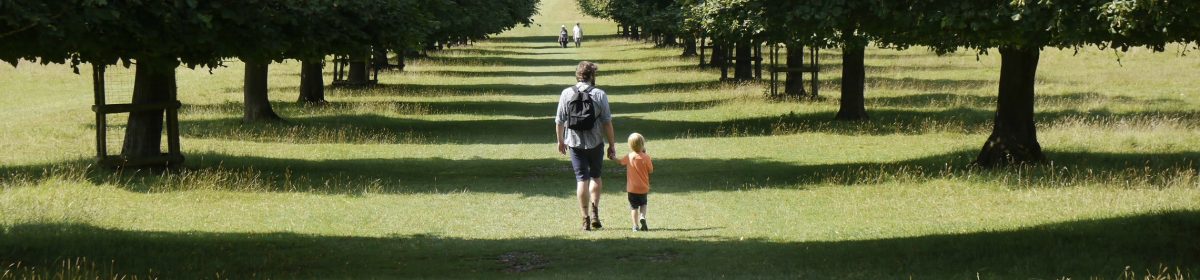
Sometimes you wonder why you put yourself through it!

Astra inclinant, non necessitant

The Latin quotation under the photograph is translated as – “The stars dispose but do not compel”. Notwithstanding Amos Starkadder’s wonderfully funny sermon to the Quivering Brethren in the novel “Cold Comfort Farm” – “You’re all damned!” -(if you haven’t read it or seen John Schlesinger’s film you’re missing a treat); but there’s a great lesson for gardeners in the proverbial saying because the best we can ever do when we grow things is to dispose them to succeed. If you’re an organic grower then disposing your plants to grow well needs foresight, planning and patience plus a lot of compost. This morning we picked our first crop of Victoria plums from the tree we planted in 2020 the apples were quicker, but the pears are at least fattening up whilst the damsons seem to fall off too early. The pests are better at judging the moment than us. Badgers, for instance, always stole our sweetcorn the day before we were going to pick it. Nowadays we protect it by growing it in the polytunnel. The agrochemical industry wants us to believe that their products can predestine plants to succeed; that we can transcend thousands of years of human experience and spray the latest chemical (let’s call it Compel!) to dodge nature altogether. It’s a lie. There’s no other way to describe it.

I once spotted a book in an Oxfam shop called “The Half hour Gardener”, but it wasn’t so much the title as the author’s name which caught my eye. She is the daughter of a woman I once worked with and lost touch with back in the community arts days, and when we went to hear her daughter speak soon afterwards at an allotments association AGM she pretty much admitted the half-hour suggestion was a bit of a stretch. Even if it were possible you’d still fall foul of the weather regularly through a whole year of allotmenteering. Too hot, too cold, too wet, too dry, too busy, too knackered, too fed-up; the fact is, gardening is hard work. It may be true – in fact it is true – that gardening is deeply rewarding, but the reward is inevitably separated from the pain by a matter of months if not years.

Today, for instance, the temperature is in the mid twenties after weeks of dry weather punctuated by one, just a single but tremendous, thunderstorm and we’re about to enter our second heatwave in a month, and so we water. And when I say we water that means carrying dozens of watering cans each weighing twenty pounds down a rickety ankle busting path from the communal water trough to the dry beds. On a good day I could water the whole plot in about three hours but that presupposes that no-one else is watering at the same time, so on those occasions exquisitely delicate and silently mimed negotiations take place near the trough. The growls are never vocalized but we all understand the implications. Neighbours are neighbours after all and we don’t want water wars to break out.

The forecast is predicting even hotter weather on the way and I desperately need to dig over and prepare a large 5’x 12′ bed which has become infested with bindweed and we need to plant out purple sprouting broccoli there by the end of the week. We don’t generally dig, but occasionally the bindweed or couch grass migrating in from the paths need teaching a lesson and digging it out is the only way that works. The only plausible time to do it will be in the cool of the very early morning before the builders turn up to finish the work to eliminate black mould in the flat.

NB linen suit

Any dreams of shimmying through the allotment filled with delicious produce in weedless beds (wearing my linen suit and panama hat) seem to evaporate like the morning dew. Try as I will to look on the bright side at 5.00am, or mid morning when I need to walk up an icy hill to knock the snow off the nets before they break, takes a bucketful of optimism.

I’ll never forget the driving rain on the morning we dug holes to set the uprights in their anchors for the polytunnel. It was raining so hard I had to bolt the uprights in a foot of freezing muddy water which had filled the holes because they were below the water table that day. During COVID when everyone had time and energy the allotment site looked wonderful, but work and families had to come first when it ended, and it was sad to see their hard work so quickly overgrown with weeds. It demonstrated two important things about running an allotment; you might say two sides of a coin. On the one hand it takes time – quite a lot of time – to grow an allotment but on the other hand, COVID demonstrated that so many people were up for the challenge if only the time and opportunity were there.

The upside

I’m absolutely not trying to argue here that suffering is its own reward. We had enough of that in Sunday School; but that it’s worth a few wet days, tingling blue hands and cold feet to pick something delicious from a plant or tree that you nurtured through the droughts, the cold north-easterlies and the Azores highs to the day you cut it, warm from the sun, and take to the kitchen. Yesterday I sautĂ©ed the first batch of courgettes in butter and oil until they were just beginning to caramelize on the cut edges. No more than an hour from plot to pot. A few weeks ago we were scratching about for something fresh to eat on the allotment but now it’s in full flow, overflowing with gifts. The only response to it is sheer gratitude. I once thought I knew who to thank for it all, but these days I feel more comfortable offering my thanks to the Cloud of Unknowing; “the Tao that can be spoken is not the Tao.” After all, what’s a few hours of enjoyable work compared with the brightness and depth of tomato sauce made at home in the kitchen, or corn whose milk is still sweet, or borlotti – the winter banker for soups. We may be hard-up and scruffy but we live like royalty.

Mindful gardening.

Honeybee feeding on Marjoram

We were eating lunch today whilst listening to the Food Programme on BBC radio. We’d missed the beginning but it didn’t take long to realize that the theme of mindfulness was everywhere apparent but nowhere expressed directly. Among the contributors was Tom Calver, a local cheesemaker who turns up every two weeks at the local farmers’ market. His stall couldn’t be less ostentatious – a trestle table with a large round of Westcombe Cheddar, another of Duckett’s Caerphilly – also made by him – and some ricotta. You’d have to ask just to find out the maker’s name, because there’s not even a sign. The first time I tasted Westcombe Cheddar I was transported back to my childhood, where we’d never set eyes on industrial cheese because my mother hated the flavour. Our cheese came with cotton scrim still clinging to the rind. Of course there are other fine handmade and raw milk Cheddars around, but Westcombe remains my absolute favourite. Naturally it costs much more than Cathedral City but over the months we’ve discovered it goes much further because it’s not a food that you snack on whilst passing the fridge. It’s definitely a sit down to savour kind of cheese – down to the last scrap of rind.

Many months ago we resolved to buy locally wherever possible and all our milk now comes from Tytherington Farm in Frome which offers a delicious low temperature pasteurised milk from a vending machine in Green Park Station – where the Saturday market takes place. We’ve also found (at last) a butcher there who sells high welfare organic meat from off the farm. Kimbers sell the best Gloucester Old Spot pork you’ve ever tasted and their lamb is produced by their son in law. You can buy fungi of every delightful variety; organic vegetables and so it goes on. The list is impressive. Combined with the vegetables we grow on the allotment we eat better and healthier food than you could buy in most restaurants; and so long as we’re careful we can live within our budget. It just means reducing the amounts of these expensive foods, principally by eating meat much less often.

Of course there’s an argument to be had for cutting out meat, dairy and eggs altogether; an argument that I don’t want to get into here except to say that to claim that all milk, eggs and meat production are equally polluting is to fly in the face of the evidence. How food is produced is crucially important to any discussion about the impact of farming on the environment so we need to move away from false arguments that treat the impact of small mixed farms as being identical to that of enormous industrial feedlots.

Tom Calver made the really interesting comment that cheesemaking can be quite boring if you don’t relish paying minute attention to each part of the process from pasture and herd management through the natural processes of cheesemaking right through to promoting and distributing the finished product. In fact every single contributor to the programme was making the same point. It’s complete dedication to every part of the process that makes the difference between food as a commodity and food as a joyful cultural celebration.

So to get back to today’s lunch at the Potwell Inn, there were new potatoes, peas and French beans all picked or dug this morning ; and beetroot harvested yesterday. None of them had travelled more than a quarter of a mile. We also had cold breast of lamb, rolled and stuffed that has lasted us a week, which was driven up to the market from Frome – all of 20 miles away. If you’ve never eaten peas harvested and then steamed for a couple of minutes, then you’ve never eaten peas. We grow a tall variety called “Show Perfection” by Robinsons and also a better known variety called “Alderman”. They’re big, fat and incredibly sweet.

In previous years our peas have been badly afflicted by Pea Moth but this year, although we’ve lost a few pods, has been quite different. In fact so far as pests are concerned we’ve had one of the best seasons ever. With all deference to the impossibility of any valid controlled trial, our hunch is that the transformation of the allotment from straight rows and bare earth to messy and a bit wild has brought in a host of insects – they’re everywhere. All the agonised discussions about pollinators ignore another huge advantage of getting the insects in. Many of them aren’t much use for pollinating but they’re ferocious predators. Some of the tiny wasp-like hoverflies and their kind like nothing more than to lay their eggs inside their hosts; eggs which hatch into maggots and ….. well I leave the rest to your imagination. So perhaps one of the advantages of our kind of organic messy wildlife gardening is that prey and predators are locked in a grisly battle that keeps us all happy. Even the Blackbirds join in the fun by eating the slug eggs around the path edges. When plants get attacked we leave them in the ground so the attack is confined – one lettuce in a group, for instance.

The borders are all planted with herbs and known pollinator attractors, and where herbs like Lovage and Fennel have flowered and set seed, we leave them in place. The sunflowers perform the same function and so the birds soon figure out where the food is. A rough and unscientific survey conducted from a deckchair suggests that wild Marjoram is one of our most popular nectar plants. This year we’ve seen the largest variety of insects, butterflies and moths, spiders, hoverflies, damselflies and dragonflies ever. But the key question is – “does all this attention on wildlife diminish the overall yield from the allotment?” and the answer is an unequivocal no!

There’s no scorched earth and no bare earth anywhere to be seen on the allotment. The 100% ground cover shades the earth and helps keep it moist, even in a heatwave such as we’re experiencing at the moment. It provides food and cover for a toad, and any number of small mammals from mice, through rats, to foxes, badgers and a ginger cat. We know this because there’s a trail cam that we move around the allotment to see what’s happening at night. The mindfulness demanded of cheese makers and brewers applies equally to us on the allotment. It might look a bit messy but we’re constantly monitoring the crops and the pests to see how things are going along. Some of our allotment neighbours might think that our obsessive attention to detail is a bit much and whilst we respect their right to take a fortnight off now and again, each and every setback through – for instance – too much or too little water accumulates and produces smaller weaker plants, smaller crops and higher pest attacks.

So let’s add the notion of mindful gardening to the equally important idea of messy gardening. My mother used to say “Sometimes I sits and thinks, and sometimes I just sits”. That’s a lovely way to describe gardening. Like music, the beauty is inescapably created by alternation of sound with silence, of mindfulness with activity, and – at the end – a profound sense of gratitude for the thing created. It’s very hard to experience that gratitude for a lump of industrial processed cheese or a packet of frozen peas. It’s always worth the wait for the real thing!