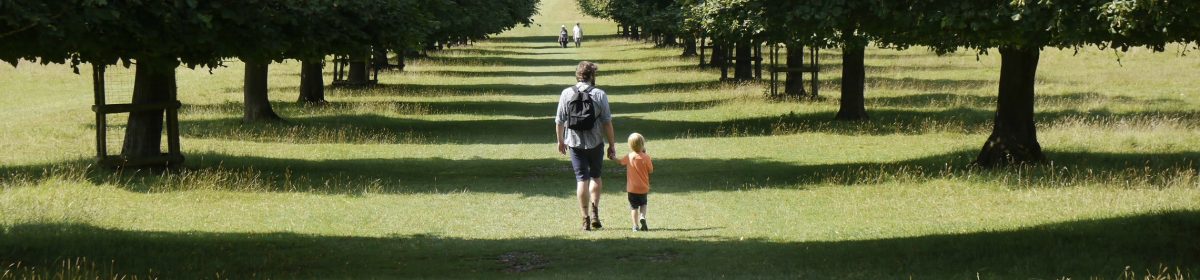

The Latin quotation under the photograph is translated as – “The stars dispose but do not compel”. Notwithstanding Amos Starkadder’s wonderfully funny sermon to the Quivering Brethren in the novel “Cold Comfort Farm” – “You’re all damned!” -(if you haven’t read it or seen John Schlesinger’s film you’re missing a treat); but there’s a great lesson for gardeners in the proverbial saying because the best we can ever do when we grow things is to dispose them to succeed. If you’re an organic grower then disposing your plants to grow well needs foresight, planning and patience plus a lot of compost. This morning we picked our first crop of Victoria plums from the tree we planted in 2020 the apples were quicker, but the pears are at least fattening up whilst the damsons seem to fall off too early. The pests are better at judging the moment than us. Badgers, for instance, always stole our sweetcorn the day before we were going to pick it. Nowadays we protect it by growing it in the polytunnel. The agrochemical industry wants us to believe that their products can predestine plants to succeed; that we can transcend thousands of years of human experience and spray the latest chemical (let’s call it Compel!) to dodge nature altogether. It’s a lie. There’s no other way to describe it.
I once spotted a book in an Oxfam shop called “The Half hour Gardener”, but it wasn’t so much the title as the author’s name which caught my eye. She is the daughter of a woman I once worked with and lost touch with back in the community arts days, and when we went to hear her daughter speak soon afterwards at an allotments association AGM she pretty much admitted the half-hour suggestion was a bit of a stretch. Even if it were possible you’d still fall foul of the weather regularly through a whole year of allotmenteering. Too hot, too cold, too wet, too dry, too busy, too knackered, too fed-up; the fact is, gardening is hard work. It may be true – in fact it is true – that gardening is deeply rewarding, but the reward is inevitably separated from the pain by a matter of months if not years.
Today, for instance, the temperature is in the mid twenties after weeks of dry weather punctuated by one, just a single but tremendous, thunderstorm and we’re about to enter our second heatwave in a month, and so we water. And when I say we water that means carrying dozens of watering cans each weighing twenty pounds down a rickety ankle busting path from the communal water trough to the dry beds. On a good day I could water the whole plot in about three hours but that presupposes that no-one else is watering at the same time, so on those occasions exquisitely delicate and silently mimed negotiations take place near the trough. The growls are never vocalized but we all understand the implications. Neighbours are neighbours after all and we don’t want water wars to break out.

The forecast is predicting even hotter weather on the way and I desperately need to dig over and prepare a large 5’x 12′ bed which has become infested with bindweed and we need to plant out purple sprouting broccoli there by the end of the week. We don’t generally dig, but occasionally the bindweed or couch grass migrating in from the paths need teaching a lesson and digging it out is the only way that works. The only plausible time to do it will be in the cool of the very early morning before the builders turn up to finish the work to eliminate black mould in the flat.

Any dreams of shimmying through the allotment filled with delicious produce in weedless beds (wearing my linen suit and panama hat) seem to evaporate like the morning dew. Try as I will to look on the bright side at 5.00am, or mid morning when I need to walk up an icy hill to knock the snow off the nets before they break, takes a bucketful of optimism.

I’ll never forget the driving rain on the morning we dug holes to set the uprights in their anchors for the polytunnel. It was raining so hard I had to bolt the uprights in a foot of freezing muddy water which had filled the holes because they were below the water table that day. During COVID when everyone had time and energy the allotment site looked wonderful, but work and families had to come first when it ended, and it was sad to see their hard work so quickly overgrown with weeds. It demonstrated two important things about running an allotment; you might say two sides of a coin. On the one hand it takes time – quite a lot of time – to grow an allotment but on the other hand, COVID demonstrated that so many people were up for the challenge if only the time and opportunity were there.
The upside
I’m absolutely not trying to argue here that suffering is its own reward. We had enough of that in Sunday School; but that it’s worth a few wet days, tingling blue hands and cold feet to pick something delicious from a plant or tree that you nurtured through the droughts, the cold north-easterlies and the Azores highs to the day you cut it, warm from the sun, and take to the kitchen. Yesterday I sautéed the first batch of courgettes in butter and oil until they were just beginning to caramelize on the cut edges. No more than an hour from plot to pot. A few weeks ago we were scratching about for something fresh to eat on the allotment but now it’s in full flow, overflowing with gifts. The only response to it is sheer gratitude. I once thought I knew who to thank for it all, but these days I feel more comfortable offering my thanks to the Cloud of Unknowing; “the Tao that can be spoken is not the Tao.” After all, what’s a few hours of enjoyable work compared with the brightness and depth of tomato sauce made at home in the kitchen, or corn whose milk is still sweet, or borlotti – the winter banker for soups. We may be hard-up and scruffy but we live like royalty.


