
Much to our surprise we woke this morning to a couple of inches of snow. You might describe our present weather as topsy turvy, but that would trivialise it. We were chatting the other day and what seems clear is that one of the early warnings of climate catastrophe is the sheer unpredictability of the weather. On the allotment the old certainties are falling one by one. Good Friday, for instance, is the traditional day for planting potatoes (in the UK) and that gives it six weeks to wander over the calendar in any case, due to the synchronisation (or lack of it) between the solar and the lunar calendars. But today after February broke all records for warmth and rainfall, the snow came as a complete surprise. Madame and I sat in bed this morning feeling just a bit smug because we’d spent much of the week preparing the campervan for just such an event; draining the water tank and such like. Since we came back from Dartmoor – or more precisely from a workshop on an industrial estate outside Ivybridge – we’ve been preparing the van so we can get away and start enjoying the luxury of having everything now working properly. Only four years ago the electrics failed completely one January night and we had to huddle in the sleeping bag with only head torches for light.
I don’t know why we haven’t walked on Dartmoor for so long. We’re blessed for high country here in the Southwest, with Dartmoor, Exmoor and Bodmin Moor to the south and across the Severn and westwards we’ve got the Bannau Brycheiniog (Brecon Beacons), the Cambrian Mountains and then mighty Eryri (Snowdonia). I’m not one of those people who grumble about the change of names from English to Welsh. Years ago I did a lot of bus journeys running writers’ groups in South Wales and I simply had to learn how to pronounce Welsh place names. Ystrad Mynach was a particular struggle, but Welsh is a phonetic language and once you know a few simple rules, like the fact that “y” is a vowel in Welsh, it’s painfully easy to sound as if you know where you’re going.
But crossing Dartmoor a couple of times last week – we had to commute between the campsite and the workshop – we felt very drawn towards it. Our first visit was more than forty years ago when we stayed near Burrator and found the Devonshire Leat, a quite wonderful piece of industrial archaeology, and one which – given my attachment to abandoned industrial landscapes – resonated within me. It’s not even that I search for them, they just seem to find me. I can almost hear the voices from the past in them; miners and quarrymen; shepherds and packhorse drivers; tinkers and overseers. Safe paths across the peat bogs mark their passage across the centuries and standing stones celebrate or warn of ancient beliefs and untimely deaths.

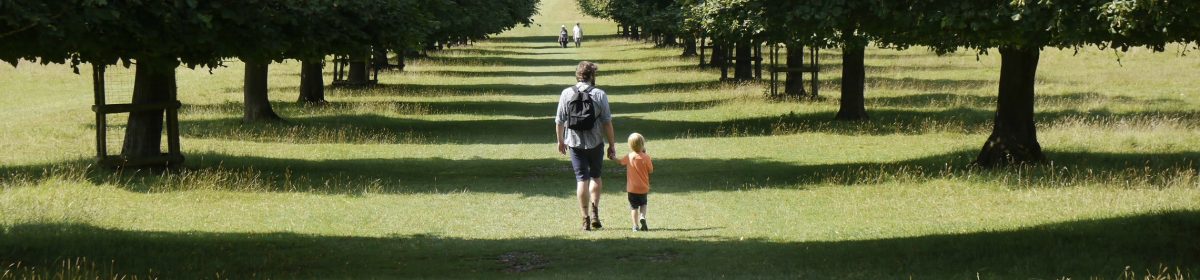
This photograph was taken in March 2016 and it took a bit of finding because there was no location amongst the EXIF data – those were the days! We were staying in the campervan near Tavistock and we’d come down from the northern area of the moor – just mooching about really, enjoying the early months of retirement and going through that long process of asking – if not work, what are we for? I’d asked an old friend whose partner had retired before me, how long it took her to embrace the freedom. Much to my consternation she replied “five years?”. Looking back, I’d say for me closer to eight. Here are a few more photographs from one of our very first journeys in October 2016.


Knowing next to nothing about fungi I photographed the waxcap among dozens of brightly coloured neighbours and then discovered years later that their presence is a sign of unimproved land. Patently obvious, I now know, but that’s how understanding happens.
This time in Ivybridge we went to the local bookshop and I bought a couple of books. One of them – Guy Shrubsole’s “The Lost Rainforests of Britain” is so good I read it – or rather devoured it -in two days. It’s a marvellous and accessible account of an almost unknown and rapidly disappearing habitat – and before long I’d gathered together all the resources on my bookshelves that would help me to understand these sites better. If that sounds a bit worthy it’s really not. For years I’ve been a bit obsessed with ferns, fungi, mosses, lichens and all the other woodland species that characterise this rare habitat; but my obsession has focused on their appearance – they can be very beautiful. Now I’m going to dig into the science and identification of them. Suddenly the new season has gifted me a project. The second book, Karen Armstrong’s “Sacred Nature” is altogether different and although she raises all kinds of ideas I’m familiar with, there’s no dirt under its fingernails.
The workshop removed the twisted wreck of a satellite aerial from the roof of the campervan and installed a much neater and lower profile miFi outfit. It seems a bit extravagant but I always need internet access on our travels to the public natural history databases which are so full of expertise and advice. We’re off very soon for some time in Eryri (Snowdonia) to spark up the botanical appetite, grease our creaking knees and get our eyes working.


