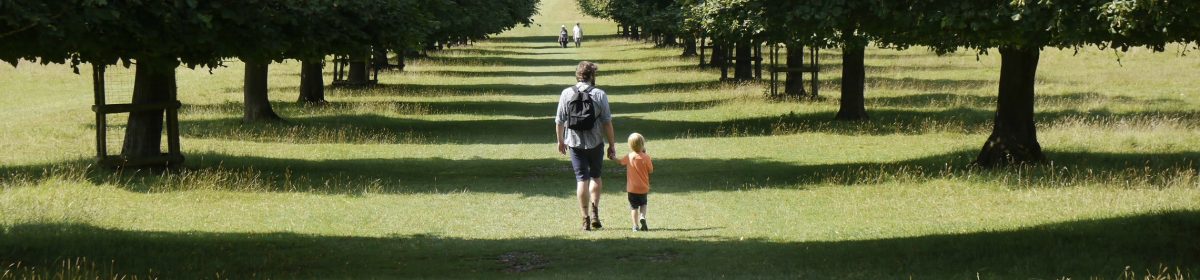


We both love this place – any time outside the holidays, when it gets impossibly crowded. After the weather we’ve been having there wasn’t much chance of seeing anyone beyond a few walkers but for once, apart from one brief heavy shower the sun even came out, the café was open and everyone was very happy. There were no more than a dozen or so cars in the car park, and it was blowing a hoolie as we set out, knowing that once we dropped into the valley we’d be a bit sheltered.
As we were packing the rucksack I thought I’d give myself a rest from plant hunting. Neither of us had slept well, in my case because I’d had an unexpected phone call from a very old friend with whom I thought I’d lost touch and heard some unexpected news about three others who’d died recently. I didn’t sleep beyond 3.00am as thoughts of mortality circled around my mind. So we travelled light even though I knew that the likelihood was that we’d find some rare plants, because the Lizard is an absolute hotspot, and true to form we found some lovely plants including two national rarities and two more flowering exceptionally early. Here are the rare ones – I won’t say exactly where they are growing because they could so easily disappear from too much contact with boots. I don’t know if there’s any research on these particular plants, but certainly orchids plus many other species, growing wild, absolutely depend on mycorrhizal relationships with fungi and if they’re dug up by hunters they’ll just die without the extensive fungal network that keeps them alive. That’s quite apart from a potential fine of up to £20,000 pounds because this is a site of national importance. The Lizard is an enormous lump of serpentine rock, which is rich in magnesium and poor in calcium. The soil lacks nitrogen and is very thin in places so without help from the fungi, the plants would starve to death. Anyway here are the rare two – there are others but they haven’t flowered yet so left to right – Cornish Heath and Land Quillwort which is tiny and I’ve been looking for it down here for maybe 4 years!


The best way of finding these plants as always, is to join a natural history society and get someone to show you. The Quillwort is almost identical to several other common plants that also grow in the area and as a relative beginner I’ve spent many hours trying to learn about them. Anyway, it was almost just as much fun to spot a couple of relatively common plants – Three-cornered Garlic and Kidney Vetch in flower rather early. It’s always difficult to blame global heating, but even after the wet winter we’ve suffered, there are a few more early risers each year


There were Dandelions, Daisies, Gorse and Hairy bittercress also in flower. All the other locals are there in leaf, and we spotted Sea Beet, Buck’s-horn Plantain, Sea Plantain, Thrift and Wild Madder amid the heather and plentiful blackthorn. Here are some of them:


So yes it was a lovely walk, and we sat on a bench outside the cafe where, nearly 60 years ago we’d emptied our pockets to see if we had enough money for a shared cucumber sandwich. We spent the first night of our first ever camping trip together that year with our tent pitched up on the headland. It’s a very special place which – just look at the photos – has remained pretty much unspoiled – helped by the long walk from the car park and the steep footpath you have to take.
But as well as the sunshine, the massive waves crashing on the rocks and rebounding with a wild roar; as well as the fine mist of sea spray that fell on us like a veil from the wavetops and rocks; as well as the glimpses of deep green water through the curling white horses; we heard first and then watched two Choughs playing in the wind above the steep sided valley. That and the hot chocolate so sweet it almost burnt our throats helped down with a toasted tea bun. It’s the very essence of being in nature

