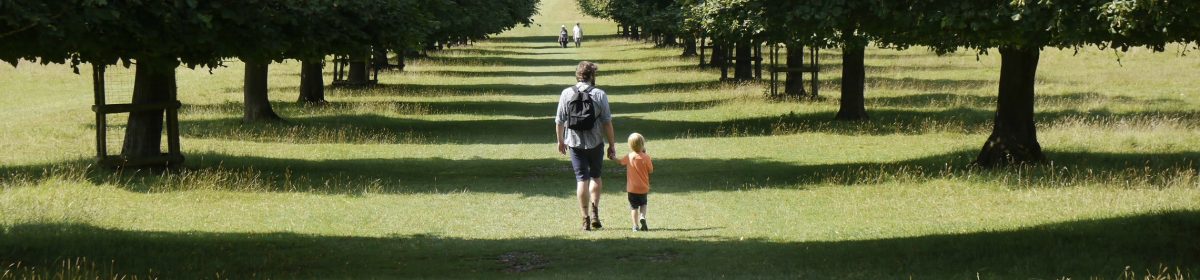

This photo was taken on the road to Kynance Cove. We originally intended to go to Lizard point to photograph the sea state but when I got out of the car to swipe our National Trust card I was very nearly blown off my feet by the fierce wind, and so we thought Kynance would be the better bet; but the same thing happened there. We’re between so-called named storms at the moment but you wouldn’t think so. I don’t think we’ve ever seen worse sea conditions here in half a century of visits; no wonder there’s a lighthouse down at the point. We’ve had occasional breaks in the low cloud today but for the most part it’s been a lowering slate grey, laden with Atlantic rain which its been releasing as steady drizzle when it’s not hammering down. The cloud layer was so low at times that the gulls were occasionally disappearing into it. Not quite the light rain in the Met Office forecast. The sea spray, seen from the Kynance road was topping the cliffs over 50 feet high, and you could almost feel the impact of the waves dumping on the shore, through your body. The sea itself was roiling; white and foam flecked to 100 yards out. There were just three cars in the car park when we arrived and within a few minute we were alone; the car rocking in the 50 mph gusts. As ever there were a few crows playing in the wind but they were too far away and too fast to identify. There are Choughs down at the point and they’re the greatest acrobats of all – they can even fly upside down.
So we made our way back and had a cup of tea before we went down the steep path to Cadgwith cove and took more photos there. Lizard looked like an abandoned village but there were a few people standing on the Todden in Cadgwith. They seemed quite happy but an exceptional wave could probably have taken them. John Betjeman, in one of his travel guides once described Lizard village as having all the charm of an army married quarters. It’s not pretty but it’s a very functional place where it seems entirely appropriate that one of the bar staff in the pub, was wearing an RNLI pager. There’s a primary school, a couple of pubs and a doctor’s surgery but over the years the grocery store, the big greasy spoon cafe and the post office have all gone; along with all bar a couple of the serpentine turners in their shacks.
So no moths, no plants and hardly any birds today – which gave us more time for reading. I brought some big natural history books down but I just can’t stop reading a paperback by Jason Roberts called “Every Living Thing” which won the 2025 Pulitzer prize for biography. It describes the parallel lives of two pioneering botanists with entirely different views. Linnaeus, inventor of the binomial system for naming living things and Buffon his French rival. One of the takeaway points from this book is that although Linnaeus’ fame grew and Buffon’s faded, the latter may have been on the better track, laying the foundations for later developments like the discovery of DNA. Their disputes revealed the extent to which they were both moulded and directed by the religious and societal culture of the time, and for me at least, reveals what an unpleasant man Linnaeus must have been.
Below are some pictures of the Kynance road and Cadgwith Cove today.


