
I have some dim idea why I love these little characters so much because they were the first gulls I learned to distinguish out of the group which I had always just seen as “seagulls”. I was puzzled enough by their red legs and beaks with black tips to get a bird book and find out what they were called. That was years ago and so now I know they’re black headed gulls – which caused a many a problem because it turned out they were only truly black headed in the summer. But they turn up here most winters; sometimes they stay and sometimes they go on somewhere else, and since I first noticed them I’ve learned a good deal more about them, but I love their delicate flight; the way they make the herring gulls and lesser black backed gulls who also live here look a bit lumpy – and, they’re here at the moment. These two were on the river bank immediately below the church where we often see peregrines – there was one there today. This isn’t unusual, we also saw wagtails, robins, blackbirds, pigeons, moorhen, mute swans and a lone Canada goose. The heron has been missing for a couple of days but he’ll show up again in one of his favourite haunts.
It was here on this walk that I learned to separate the ragworts; to find pellitory of the wall and half a dozen other medicinal herbs growing wild; here I noticed winter heliotrope and not – as I first thought – coltsfoot. Here too the wild lettuce that doesn’t look the least bit like the stuff on your plate. We do the same walk pretty well every day; come rain or shine. It’s about 8 Km which gets us over the 10,000 step line and passes a couple of local shops that we use. That means that we walk around 10 kilometers most days and it’s not in the least boring because it’s never the same two days running.
If I was trying to make it sound a bit posh I’d call it a transect – an ecological technique that helps us to understand an environment by walking the same path as regularly as possible and recording what you find there. It takes a while but eventually you kind of make friends with it, to recognise the old stagers and the newcomers and to rehearse their names so often that they stick in your mind. Depending on the season we could focus on birds or plants; insects (not too sharp on those) or butterflies and if anything the walk becomes more interesting each time we do it. Naturally there are other walks in much sexier places where we can marvel (gawp?) at five star rarities but there’s nothing in the world to beat finding one of them in a dark corner of a familiar place. We know the proper names of some of the fishes that congregate near the surface of the water in the summer, we watch the river in spate and at its lowest time in a dry summer. There are things we’d love to see – like otters – and I’m sure one day we will. The local natural history society – there’s a link on this page – runs a great facebook group where we can see things we’ve never seen ourselves and check out an identification with some hardcore experts if need be.
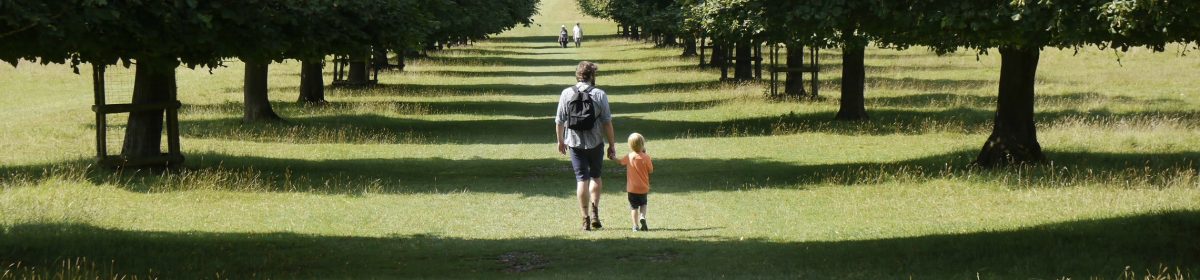
Walking is the most tremendous activity when you want to think. Our days are pretty standard; two hours of walking, three quarters of an hour of weights, two or three hours of writing and the rest on the allotment, cooking, eating and reading. When I write it down it looks almost monastic and yet it doesn’t feel that way. Walking grounds us, gives us a couple of hours when we can talk or be quiet and where we can find a perspective on the troubles and worries of life, and it provides me with an endless source of reflection – much of which finds its way on to the blog.
Nietzsche, Rousseau, Thoreau, Santayana and a host of deep ecologists, poets, writers and pilgrims have all found comfort and inspiration in walking, so I reckon the evidence is in. I’ve always kept notebooks and sometimes the notebooks became journals and they’ve been the most important source of inspiration for me. So often, reading back on an everyday, common experience can suddenly flood it with light – “oh so that’s what was going on”. A walk can be an almost symphonic experience that might one moment be prayer, or contemplation, or remembering, or just filled with wonder and delight or perhaps a simmering grouse, or an anger that’s needing to be dealt with. Let them come, and let them go. And that’s not to mention the fresh air, occasional sunshine and the natural history waiting to be recorded.
It’s November, almost official winter and yet today we saw herb Robert in flower, winter heliotrope with its odd perfume, so difficult to describe; nipplewort; a couple of vagrant marigolds on the canal bank and the initial rosettes of a dozen pathside herbs that look lovely even as they are. It’s so easy to be sniffy about ragwort but really, its leaves are lovely in their prime condition.
Sitting on my desk at the moment is a piece of lichen that I picked up last year. If I sprayed it with water it would come back to life, and under the microscope it becomes a miniature world; a kelp forest an inch across. There are bits of dried grass and a pencil sharpener; with all the books and apparatus I need to continue the walk in my head later. It’s so much bigger and richer than just boring old exercise; making up the 10,000 steps. Oh yes, walking is good – good for the legs, good for the mind, good for the spirit too. It takes some ordinary – you might say thin – time of course, but renders it thick, rich and deep like good soil. Sure you might add the biochemical changes and dismiss it all as so much dopamine and you’re free to do just that; but I prefer to think of each walk as another voyage of the Potwell Inn Beagle.
*If you want to explore the philosophy and history of walking rather than read books about routes you might like to look at Rebecca Solnit’s “Wanderlust”. I thought it was a superb book when I first read it and I’d recommend it without hesitation.








 Walking in the centre of Birmingham yesterday I was stirred by the sheer scale of redevelopment going on. They’re building a new tram system, cutting through the old roads and streets to route a much cleaner transport system into and through the city. It’s partly working already, and just for fun we caught a tram that took us on a long loop through the centre, dividing the gathering numbers of commuters on their way home from work. It’s everything to like about bold planning. The trams were cheap, clean, efficient and quiet and already cover the twenty miles between Birmingham and Wolverhampton. Our tram was quickly full – people only adopt new ways of doing things when they work well. Of the hundreds of passengers I suspect very few had the climate crisis in mind but we could sense the future. Public transport in the city is already highly efficient.


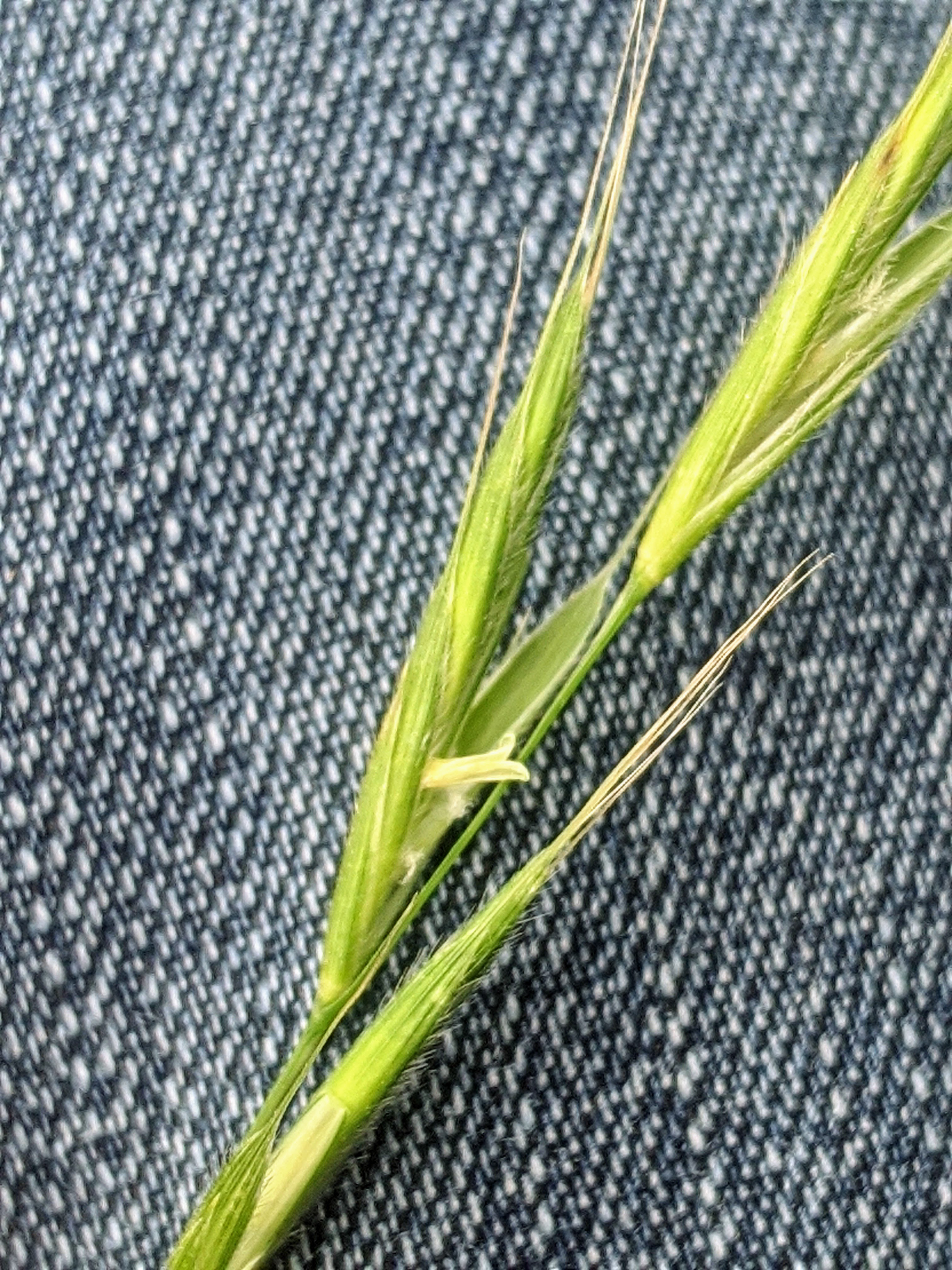
 – and finally I love that I can still do a bit of field botany – with a fingernail – by scraping moss off a bus shelter
 When I was 17 I worked with some of the men who built the first Severn Bridge. They were as hard as hell, and quite fearless on the steel. Almost exactly on the spot where the photo was taken today, there used to be an amusement arcade run by a traveller family who I got to know well many years later. There was also a bathing lake called the Blue Lagoon which (incredibly) was a massively popular place. A little further downstream again there was a line of brightly painted beach huts on the promenade where fortunate Bristolians could come on their half-days and holidays. I used to take communion to an elderly lady in Knowle who had a picture of her family bathing hut on the mantlepiece – she always spoke very warmly of it. The Second Severn Crossing was built during the time I was working in the area.

