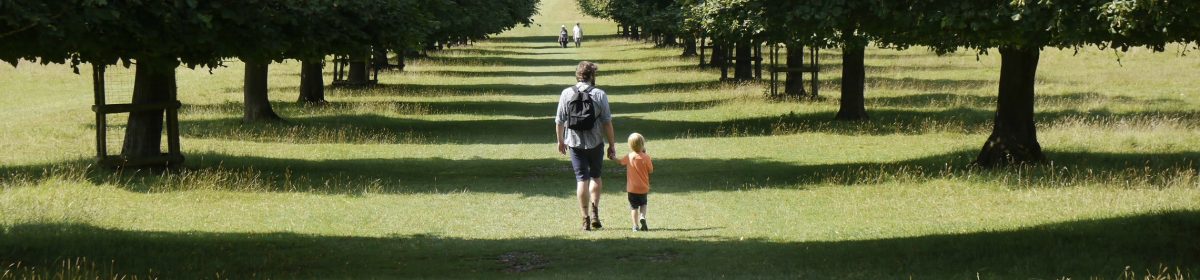

I’m sorry about the quality of that picture but in this instance it really was a snapshot from my phone – in spite of the fact that I was carrying a far more respectable Olympus. I was just feeling a bit lazy and pissed off because I had been struggling with the menus on the GPS unit and consequently feeling a bit technophobic. Yesterday was the day I was intending to give a first run to a new workflow plan, but even on the simplest and cheapest Etrex I could buy I was still getting banjaxed by the multiple choices I needed to go through to find a simple grid reference and speeding up my plant recording had failed its first test.
So to begin at the beginning, the weather forecast was perfect, it was the first day of astronomical spring – (less tidy but more meaningful than the meteorological version which favours tidiness over aeons of history) – and Madame suggested we should go for a walk on Mendip. The campervan trip we’d planned for a 2 day visit to Priddy was cancelled because the news from the garage was much worse than we feared and the engine is going to need a complete rebuild including valve replacements and resurfacing of the cylinder head. Everything you could fear from a cam belt failure was actually caused by getting the old one replaced before disaster could happen. Incompetence, neglectfulness or the failure of brand new components will probably all figure if there is ever a full accounting, and the only consolation is that the garage has accepted full responsibility and will carry out the repairs under warranty.
So we took the car up to Priddy and parked at the end of the old drove that leads down to Priddy Pool. I’ve spent weeks prepping and planning the new plant recording strategy and so I was eager to give it a dry run early in spring before the first flush of wildflowers really begins. This is probably going to be deadly dull to all but a handful of gimlet eyed enthusiasts so I’ll keep it short. The plan is to get a full record of each new find on the spot. Photo, followed by initial ID using Flora Incognita or one of the other AI apps (if I didn’t know it already), and then a full and reliable grid reference using the Etrex handheld and backup photos for later then, finally, all that gathered information typed into the phone above the EXIF data for the pictures. This should be a bombproof workflow that speeds up the whole process both in the field and back at home. After a frustrating rehearsal I’d say it will need a whole lot of practice before I’m fluent enough to speed up.

Anyway I landed up taking just one photograph using the new method and it’s a narrow Buckler-fern, Dryopteris carthusiana; very common around the Mendips (and everywhere else) and you could find it in Nine Barrows Lane Priddy at national grid ref ST 53469 51927 which is accurate to about three feet either way. This is not an earth shattering find of course but I double and triple checked all the components and the most gratifying thing is that the grid reference is really spot on. The deceptive offerings of the mobile phone look impressive but over the past seven months of data building I’ve discovered they’re anything but accurate. One record of a similar fern made about half a mile away had it growing in a car park in Wells!
Enough! My next quarry is a similar looking fern called a Borrer’s male fern which apart from its name would appear equally dull to the neurotypical. But coincidence had it that Madame was doing a bit of background Googling while I was chatting about a botanist called Borrer about whom I know absolutely nothing. This is how she defends herself against my more obsessive traits. Much to our joy we discovered that William Borrer FRS – ( Henfield, Sussex, 13 June 1781 – 10 January 1862) was not only one of the leading botanical lights of the eighteenth century but – wait for it – he lived in a house called Potwell . This, obviously, is a sign!
I wouldn’t bother going to Priddy just to look at a fern you could probably see a mile from almost anywhere in Britain, but Priddy is a very beautiful village with an extremely decent pub that does proper meals like liver and bacon – so not for the faint hearted. It’s also a very particular ecologically rich environment on carboniferous limestone and sits above some fantastic cave systems which – in my reckless years – I loved to explore. These days it’s a gentle stroll on the surface that floats our boat. There are abundant droves and footpaths across the whole area and if you’re lucky you can enjoy moments of absolutely peaceful silence. Yesterday there were a few wildflowers in bloom, but most strikingly the Lesser Celandines were huge; the flowers were easily twice the diameter of their townie cousins in Bath. The weather forecast held to its promise of wall-to-wall sunshine and we strolled so heedlessly that we got lost at one point so we had to retrace our steps, fetching up eventually just above the entrance to Swildons where we leaned against a drystone wall and ate our sandwiches – bread rolls filled with ham and mustard and topped up with crisps.
It’s less than twenty miles from Bath and yet, 1000 feet higher, it feels remote; detached from traffic jams and stress. When I was a community arts worker the youngsters would come up here to collect magic mushrooms. This wasn’t a problem usually unless they were drinking rough cider at the same time, when they often got a bit unpredictable. Only my memories and the almost continuous stream of aircraft passing above on their way to and from Bristol airport remind me that there’s no escape from our folly.

Up at Newton Park farm shop the other day I spotted this Massey Ferguson tractor – identical to the one I used to drive when I was a groundskeeper about 100 years ago. I think it was a model 35 but I didn’t check this one. They were absolute pigs to start and so if you were selling one it would more easily find a buyer on the Mendips where you could bump start them with the benefit of a steep hill to run down in the morning. I once – with the help of a genius mechanic called Geoff – dismantled our 35 down to the last nut and bolt and then rebuilt it as a kind of winter project.
